Trump Pauses Iran Strikes: Sensex Surges 1,500 Pts, Oil Crashes 11%
Jaspal Singh
Author
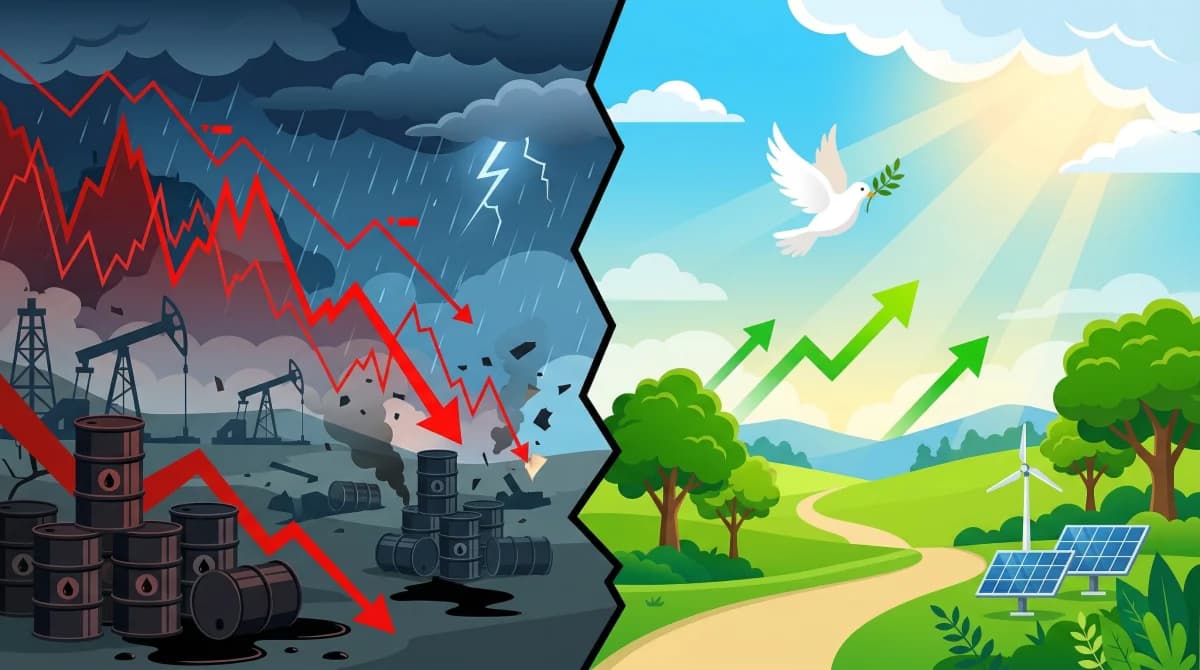
The Biggest Relief Rally in Weeks
After weeks of relentless selling, Indian markets finally caught a break. On March 24, 2026, the Sensex surged over 1,500 points at the open, and the Nifty jumped 365 points to 22,878 — all because of one man's Truth Social post.
US President Donald Trump announced late on March 23 that he has ordered a 5-day postponement of all strikes on Iranian power plants and energy infrastructure, citing "very good and productive conversations" with Tehran over the past two days.
The reaction was immediate and dramatic:
- Brent crude: Crashed ~11% from $112 to ~$100/barrel
- Sensex: Opened up 1,516 points (+2.08%) at 74,212
- Nifty: Opened up 365 points at 22,878
- GIFT Nifty futures: Had surged 650 points overnight
- Global markets: Asia rallied across the board
What Exactly Happened?
Here's the timeline of events:
| When | What |
|---|---|
| Saturday, Mar 22 | Trump issues 48-hour ultimatum: reopen the Strait of Hormuz or face strikes on Iran's power plants |
| Sunday, Mar 23 | Iran vows Strait will be "completely closed" — threatens retaliation on US infrastructure |
| Monday, Mar 23 | Markets crash globally: Sensex -1,837 pts, gold crashes, oil at $113, rupee at ₹93.89 |
| Late Monday night | Trump posts on Truth Social: 5-day pause on strikes, cites "productive talks" with Iran |
| Tuesday, Mar 24 | Oil crashes 11%, global markets rally, Sensex surges 1,500+ pts |
The Catch: Iran Denies Any Talks
Here's the twist — Iran denies having any direct or indirect contact with Trump. Unnamed Iranian sources told state media there have been no negotiations. This means either:
- Talks happened through back-channels that Iran doesn't want to publicly acknowledge, or
- Trump is buying time while de-escalating without admitting a change of course
Either way, the market doesn't care about the reason — it cares about the result. And the result is that bombs aren't falling today.
How This Affects India
1. Oil Prices: The Biggest Relief
Brent crude dropped from $113 to ~$100/barrel — a decline of over 11% in a single session. For India, which imports 85% of its crude, every $10 drop in oil saves approximately ₹1.5 lakh crore on the annual import bill.
If oil stays around $100 (instead of $113), the impact on India is significant:
- Inflation: Could ease from 6.5% projection back toward 5.5-6%
- Current account deficit: Improves by 0.3-0.5% of GDP
- Petrol prices: Reduces pressure for a fuel price hike
- RBI: Rate cuts are back on the table if oil stays below $100
Read our full analysis: Oil at $113: How the Iran-Hormuz Crisis Is Crushing India's Economy (updated with today's data).
2. Stock Market Recovery
The Sensex had lost over 6,000 points in March before today's rally. While 1,500 points is a relief, it only recovers about 25% of the month's losses. Key things to watch:
- FII flows: Foreign investors sold ₹10,414 crore just yesterday (17th consecutive day). Will the de-escalation reverse this?
- DIIs buying: Domestic institutions bought ₹12,034 crore on March 23, absorbing FII selling. This support continues.
- India VIX: Still at 27.17 — highest since June 2024. Volatility isn't over.
3. Rupee: Some Relief Expected
The rupee hit ₹93.89/dollar yesterday — an all-time low. With oil falling and risk appetite improving, the rupee should strengthen slightly. But don't expect a dramatic recovery — FPI outflows of ₹88,000+ crore in March are still a massive drag.
4. Gold: Continuing to Fall
Gold has dropped further to ₹1.35 lakh/10g — down from ₹1.73 lakh at February's peak. That's a ₹38,000 decline (22%) in less than a month. Silver has crashed 22% in March to ₹2.29 lakh/kg. The de-escalation removes safe-haven demand, adding more pressure.
Read: Gold Crashes ₹35,000 From Peak — Worst Fall in 40 Years
Should You Buy the Dip?
After weeks of selling, many investors are wondering if this is the bottom. Here's a framework:
Arguments for Buying Now
- Valuations are cheaper: The Nifty P/E ratio has dropped from 23x to ~19x — closer to the long-term average
- DIIs are buying: India's domestic institutions see value at these levels
- Oil may have peaked: If the de-escalation holds, $100 oil is much more manageable than $113
- India's fundamentals are intact: GDP growth above 6%, consumption strong, services expanding
Arguments for Caution
- Iran denies talks: The "ceasefire" could collapse in 5 days. This might be a false bottom.
- FIIs still selling: 17 consecutive days of selling, ₹1 trillion gone in 2026. That trend hasn't reversed yet.
- VIX is elevated: At 27+, markets are signaling more volatility ahead.
- Earnings risk: Oil at $100+ for weeks will still hurt Q4 earnings for many sectors.
What We Recommend
- Don't try to time the bottom. Nobody knows if this rally holds or reverses in 5 days.
- Keep SIPs running. Your SIP just bought units at a 15% discount from February highs. That's exactly how SIPs should work. Use our SIP Calculator.
- If you have surplus cash, deploy it in 2-3 tranches over the next 2-4 weeks rather than going all-in today.
- Avoid F&O and leverage. With VIX at 27+, options premiums are inflated and leveraged positions can get wiped out on either side.
- Lock in FD rates. If oil drops and RBI cuts rates, today's FD rates may be the best you'll see this year.
What to Watch in the Next 5 Days
The market's trajectory depends entirely on what happens before Trump's 5-day pause expires (approximately March 28):
- If genuine talks materialise: Oil could fall to $85-90, Sensex could recover 3,000-4,000 points, rupee could strengthen to ₹91-92
- If talks collapse: We're right back to Monday's nightmare — oil at $113+, market crash, rupee at ₹94+
- Most likely scenario: Extended negotiations with periodic posturing from both sides, keeping markets volatile but directionless
Stay invested, stay diversified, and stay calm. This too shall pass — it always does.
Disclaimer: This article is for informational purposes only and does not constitute investment advice. Markets are volatile and past performance doesn't guarantee future returns. Please consult a SEBI-registered financial advisor before making investment decisions. Data as of March 24, 2026 morning.
Update: Markets Crashed Again on FY26 Last Day | Goldman Cuts India GDP to 5.9%
Written by
Jaspal Singh
Founder & Editor
Personal finance writer helping Indians make smarter money decisions through clear, jargon-free guides on taxes, investments, and budgeting.
Continue Reading

Gold, Silver Import Duty Raised to 15%: What It Means for Prices, Rupee, and India's Trade Balance
India has raised import duty on gold and silver to 15% from 6%. Here is what the move means for bullion demand, trade deficit, forex reserves, and everyday buyers.
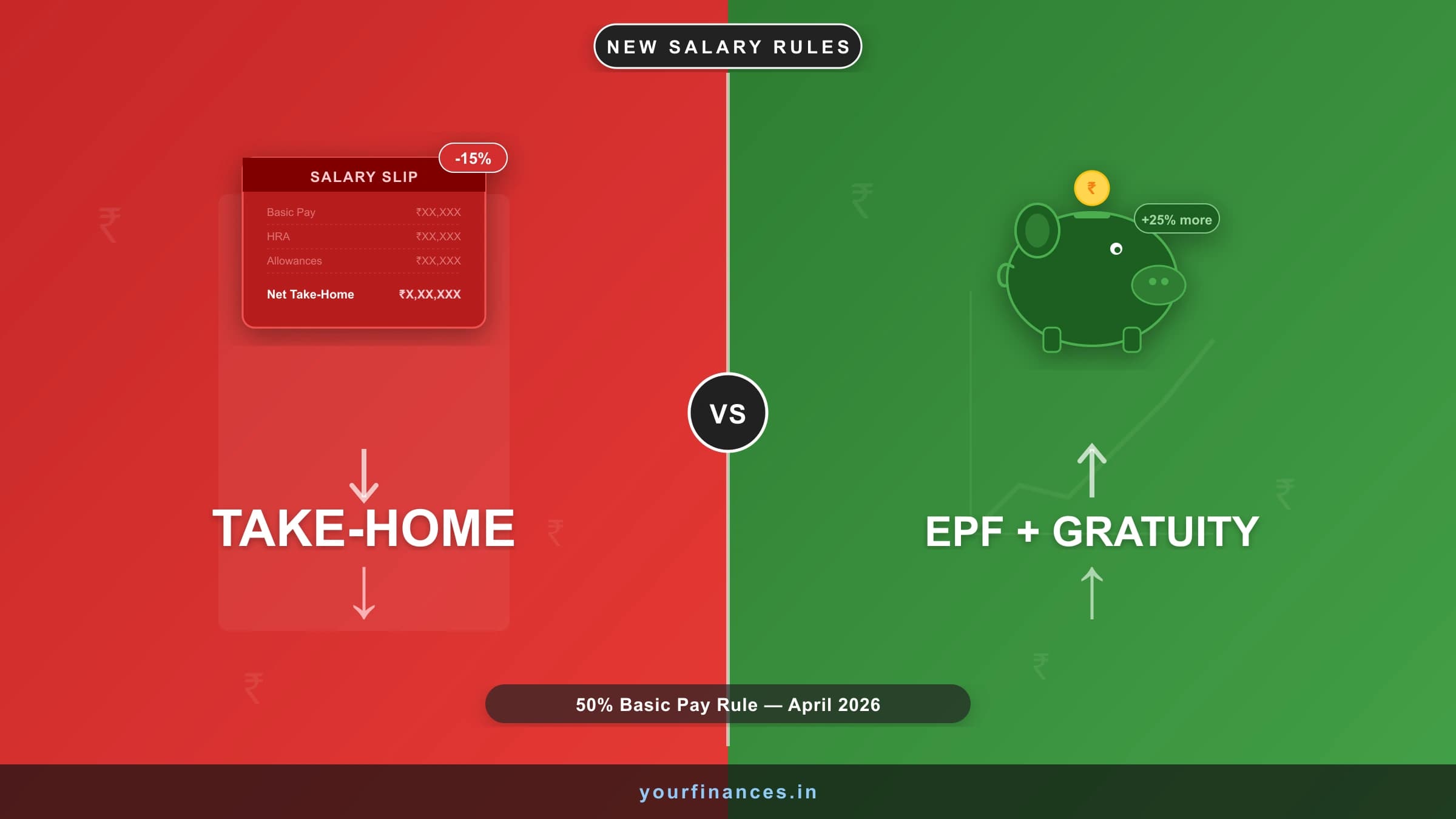
Your Take-Home Salary Just Got Cut — Here’s Why
From April 2026, your basic pay must be at least 50% of your CTC. That means lower take-home pay but significantly higher EPF and gratuity. Here’s what changed and what it means for your wallet.

Silver Loans Are Now Legal in India — Here’s How to Get One
From April 1, the RBI allows banks and NBFCs to give loans against your silver jewelry and coins. Up to 85% LTV, 10kg silver limit, and strict borrower protections. Here’s everything you need to know.