RBI MPC Meets Monday: Why Your EMI and FD Returns Won’t Change Yet
Jaspal Singh
Author
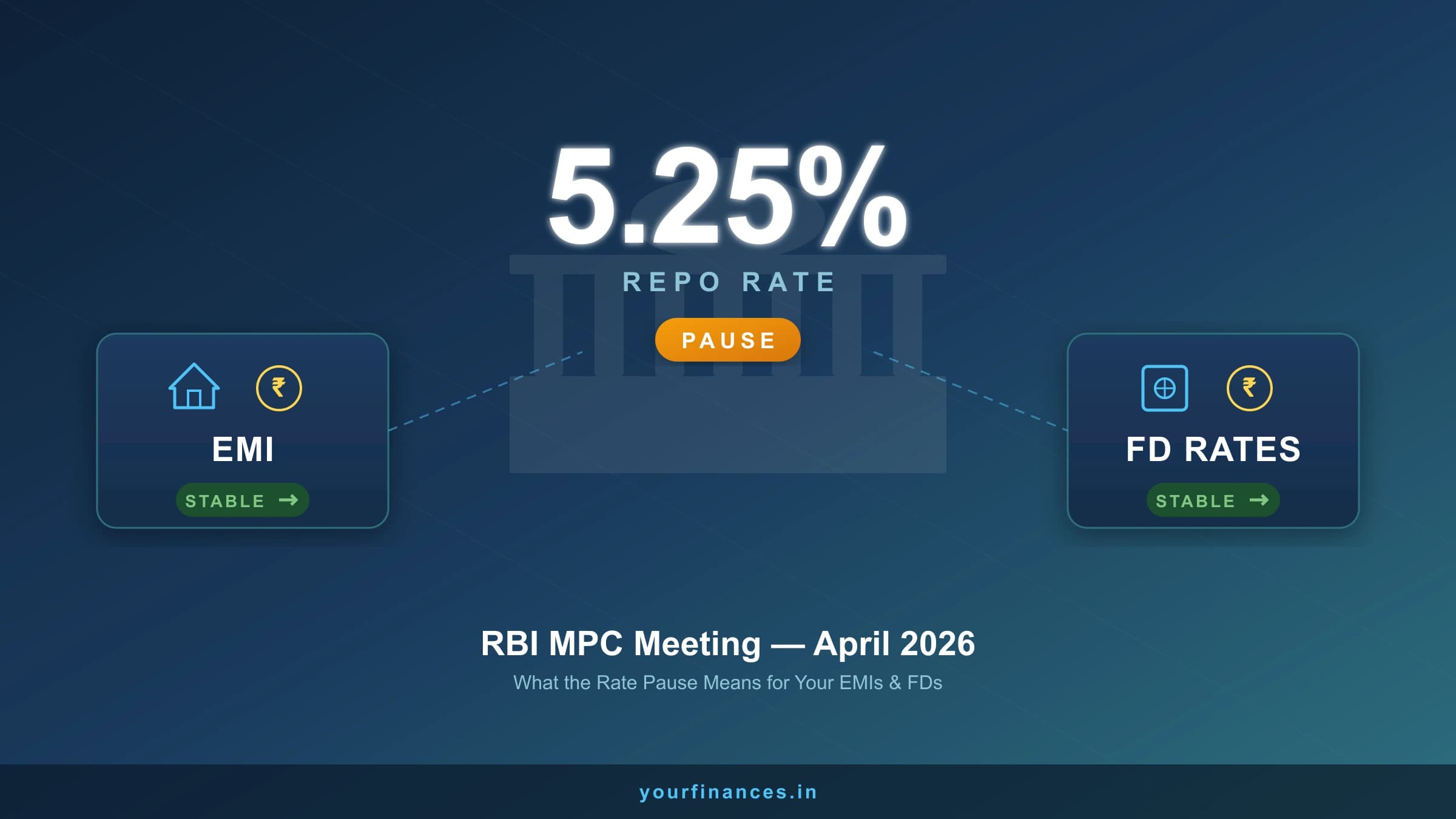
The RBI Meets Monday — Here’s What’s at Stake
The Reserve Bank of India’s six-member Monetary Policy Committee (MPC) will meet from April 6 to 8, 2026, for its first policy review of the new financial year. The decision will be announced by RBI Governor Sanjay Malhotra on April 8 at 10 AM.
The big question: will the RBI cut rates further, hold steady, or — for the first time in over a year — consider raising them?
The short answer: almost certainly a pause. The repo rate is expected to stay at 5.25%. But the reasons behind this pause tell a much bigger story about where India’s economy is headed.
A Quick Recap: The 2025 Rate Cutting Spree
Last year was a golden period for borrowers. The RBI cut the repo rate by a total of 125 basis points between February and December 2025 — bringing it down from 6.50% to 5.25%.
Here’s how the cuts played out:
| Month | Rate Cut | Repo Rate After |
|---|---|---|
| February 2025 | -25 bps | 6.25% |
| April 2025 | -25 bps | 6.00% |
| June 2025 | -50 bps | 5.50% |
| October 2025 | Pause | 5.50% |
| December 2025 | -25 bps | 5.25% |
| February 2026 | Pause | 5.25% |
These cuts meant real savings. On a ₹50 lakh home loan at 8.5%, a 125 bps reduction saved borrowers roughly ₹4,000–5,000 per month in EMI, or the option of a shorter loan tenure.
Why the RBI Will Hit Pause This Time
Three big forces are tying the RBI’s hands:
1. Oil Prices Have Exploded
The Iran-US conflict has pushed crude oil prices above $100 per barrel. India’s crude oil basket averaged $120 per barrel in recent weeks — nearly 70% above the RBI’s baseline assumption of $70.
India imports over 85% of its oil. Higher oil means higher petrol, diesel, LPG, and eventually higher prices for everything from food to transport.
2. Inflation Is Creeping Up
CPI inflation was 3.21% in February 2026 — well within the RBI’s comfort zone. But economists expect it to climb to 4.5–5.1% in FY27, dangerously close to the upper tolerance limit of 6%.
As Sonal Badhan, Economist at Bank of Baroda, puts it: “If inflation overshoots its upper band of tolerance (6%), then there will be a chance of rate hike towards the end of the year.”
3. The Rupee Is Under Pressure
The Indian rupee hit a record low of ₹94.83 against the dollar on March 30, 2026. A weaker rupee makes imports more expensive, adding to inflation. The RBI has been intervening — forex reserves fell from $716 billion to $698 billion in March alone.
What This Means for Your EMI
If you have a floating-rate home loan, car loan, or personal loan, your EMI is unlikely to change after this meeting.
The good news: the 125 bps of rate cuts from 2025 have already been passed on by most banks. Your EMI is already lower than it was a year ago.
The not-so-good news: don’t expect further reductions anytime soon. The easing cycle appears to be over for now.
As Bikash Kumar Mishra, CFO of Easy Home Finance, noted: “Most lenders have already passed on earlier rate cuts, so borrowers are already benefiting. There isn’t any immediate trigger for EMIs to move significantly.”
Use our EMI Calculator to check your current monthly payment and plan accordingly.
What This Means for FD Returns
Fixed deposit holders have had a rough 2025. As the RBI cut rates, banks gradually reduced FD interest rates too. The best rates have dropped from 8–8.5% to around 7–7.5% for most major banks.
With a rate pause, FD rates are likely to remain stable for the next few months. If you’re sitting on maturing FDs, this is actually a decent time to lock in current rates — because if inflation forces the RBI to hike later, FD rates could improve, but for now, 7%+ is still reasonable.
Compare options with our FD Calculator.
The Bigger Picture: Could Rate Hikes Be Coming?
This is the question nobody wants to ask but everyone is thinking about.
Rajani Sinha, Chief Economist at CareEdge Ratings, warns that GDP growth forecasts have been cut from 7–7.4% to 6.5–6.7% for FY27, while inflation could average 4.5–5.1%. That’s a classic “stagflation lite” scenario — slowing growth with rising prices.
If oil stays above $100 and the rupee keeps weakening, the RBI may be forced to raise rates in the second half of FY27. That would mean higher EMIs, but also better FD returns.
The Finance Ministry has acknowledged “considerable downside” to its earlier growth projections. The next 3–4 months will be critical.
What Should You Do Right Now?
If You’re a Borrower
- Don’t wait for more rate cuts. The cutting cycle is likely over. If you’ve been delaying a home purchase hoping for cheaper loans, current rates are already at multi-year lows.
- Consider prepaying. If you have surplus funds, use this stable period to prepay your home loan and reduce your interest burden. The RBI has removed prepayment penalties on all floating-rate loans.
- Lock in fixed-rate loans if you’re risk-averse. If rates do rise later this year, floating-rate borrowers will feel the pinch.
If You’re a Saver
- Lock in FDs now at current rates. If the RBI holds steady, rates won’t improve for a few months.
- Consider PPF and NPS — small savings rates have been kept unchanged for Q1 FY27, offering steady returns. Use our PPF Calculator and NPS Calculator to plan.
- Keep an eye on SGB redemptions. With gold at record highs above ₹1.52 lakh per 10g, Sovereign Gold Bonds maturing in 2026 offer excellent tax-free returns.
If You’re an Investor
- SIPs remain the best strategy in volatile markets. Monthly mutual fund SIP inflows have stayed above ₹30,000 crore — a sign that long-term investors aren’t panicking. Use our SIP Calculator to plan your investments.
- Watch the April 8 announcement closely. Any surprise change in stance from “neutral” to “tightening” would signal rate hikes ahead, which typically hurts equity markets short-term but benefits debt funds.
The Bottom Line
The RBI is walking a tightrope. On one side is a slowing economy that needs support. On the other is rising inflation fuelled by a war India didn’t start. The safest move? Do nothing and wait for clarity.
For you, the message is simple: your EMI won’t change, your FD rates won’t change, but the risks to both are rising. Use this window of stability to strengthen your financial position — prepay loans, build an emergency fund, and stay invested through SIPs.
The real fireworks, if any, will come in the second half of the year.
Disclaimer: This article is for educational purposes only and does not constitute financial advice. Please consult a qualified financial advisor before making investment decisions.
Written by
Jaspal Singh
Founder & Editor
Personal finance writer helping Indians make smarter money decisions through clear, jargon-free guides on taxes, investments, and budgeting.
Continue Reading

Gold, Silver Import Duty Raised to 15%: What It Means for Prices, Rupee, and India's Trade Balance
India has raised import duty on gold and silver to 15% from 6%. Here is what the move means for bullion demand, trade deficit, forex reserves, and everyday buyers.
Your Take-Home Salary Just Got Cut — Here’s Why
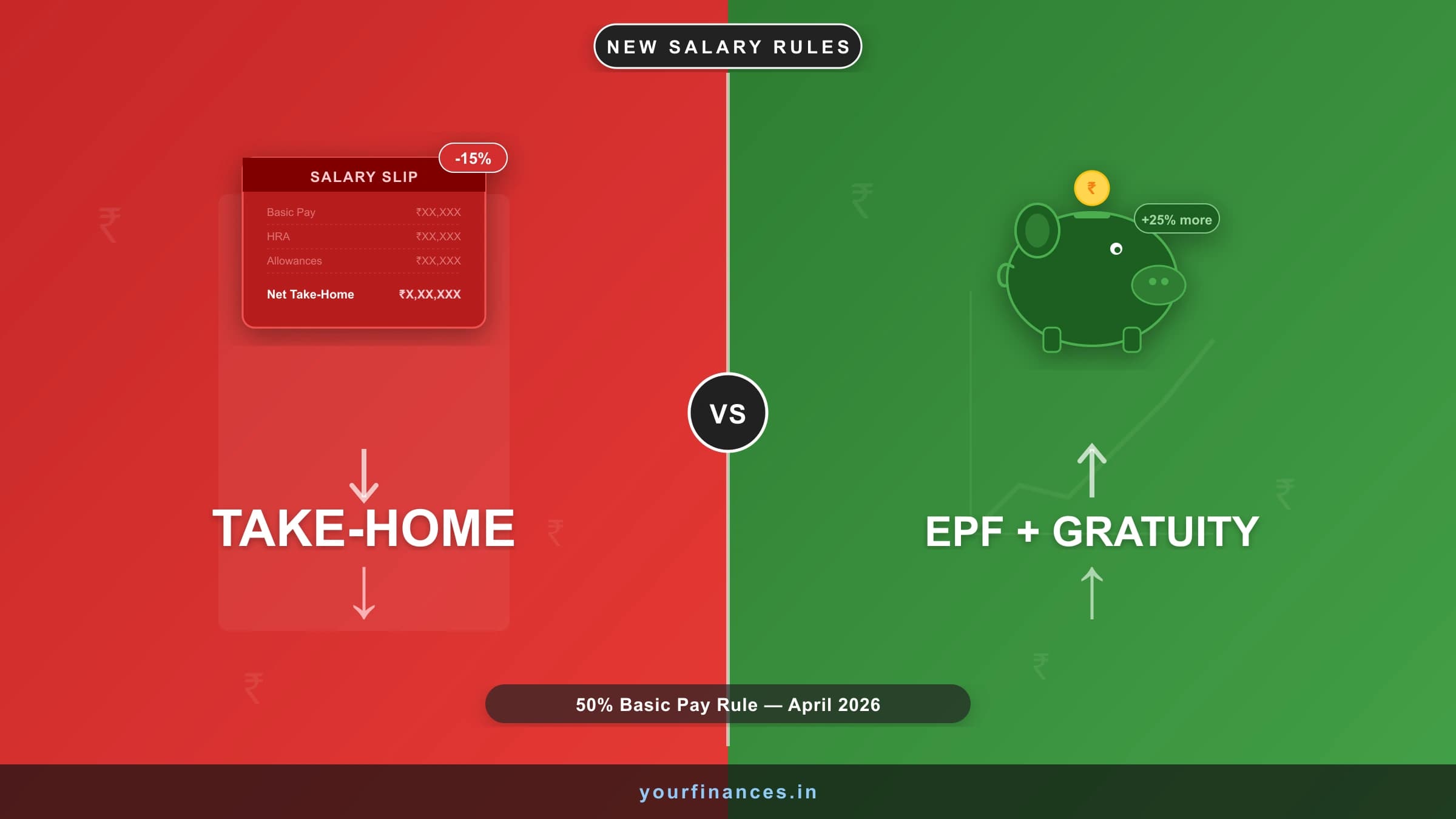
From April 2026, your basic pay must be at least 50% of your CTC. That means lower take-home pay but significantly higher EPF and gratuity. Here’s what changed and what it means for your wallet.
Silver Loans Are Now Legal in India — Here’s How to Get One
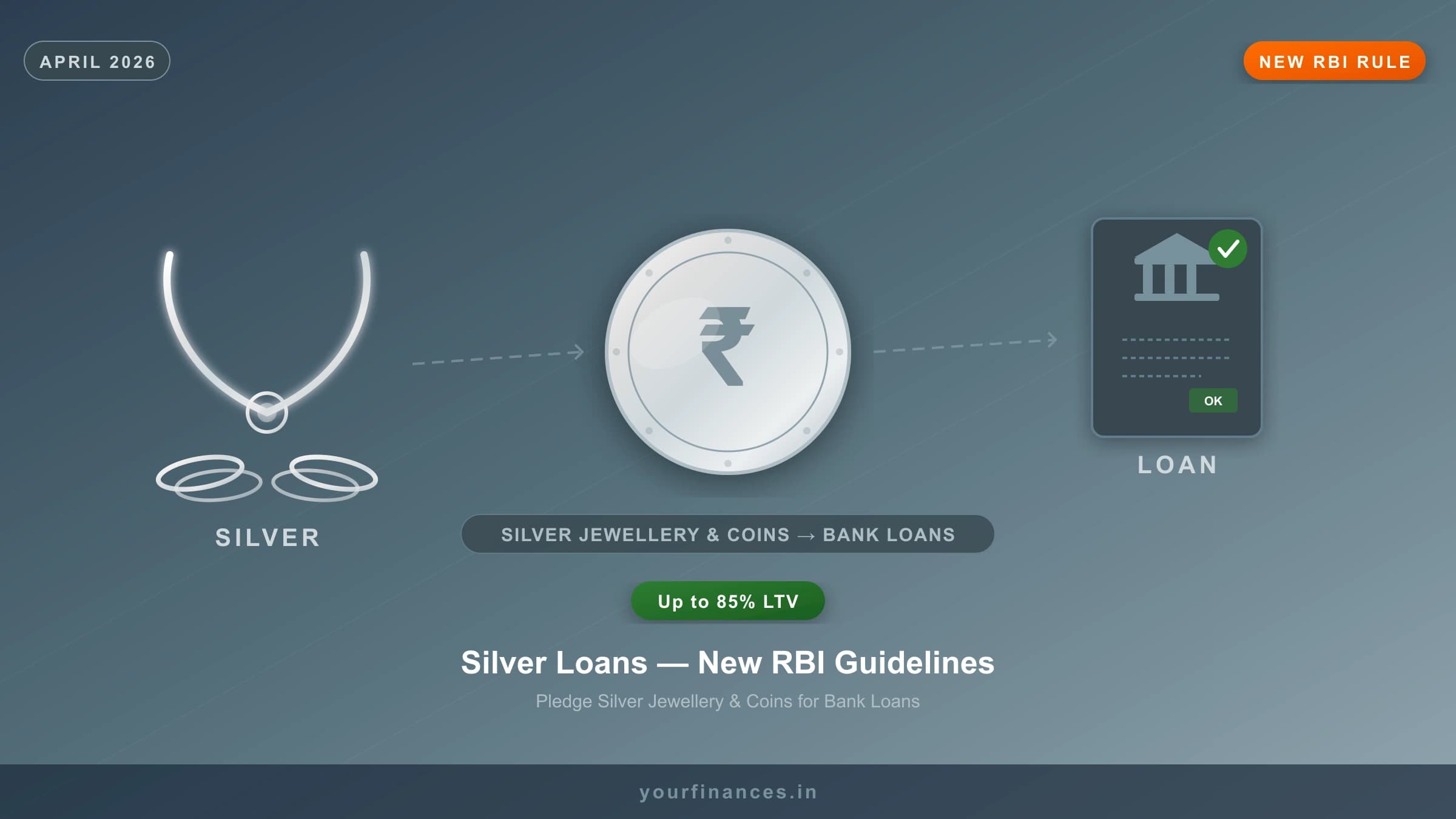
From April 1, the RBI allows banks and NBFCs to give loans against your silver jewelry and coins. Up to 85% LTV, 10kg silver limit, and strict borrower protections. Here’s everything you need to know.