Silver Loans Are Now Legal in India — Here’s How to Get One
Jaspal Singh
Author
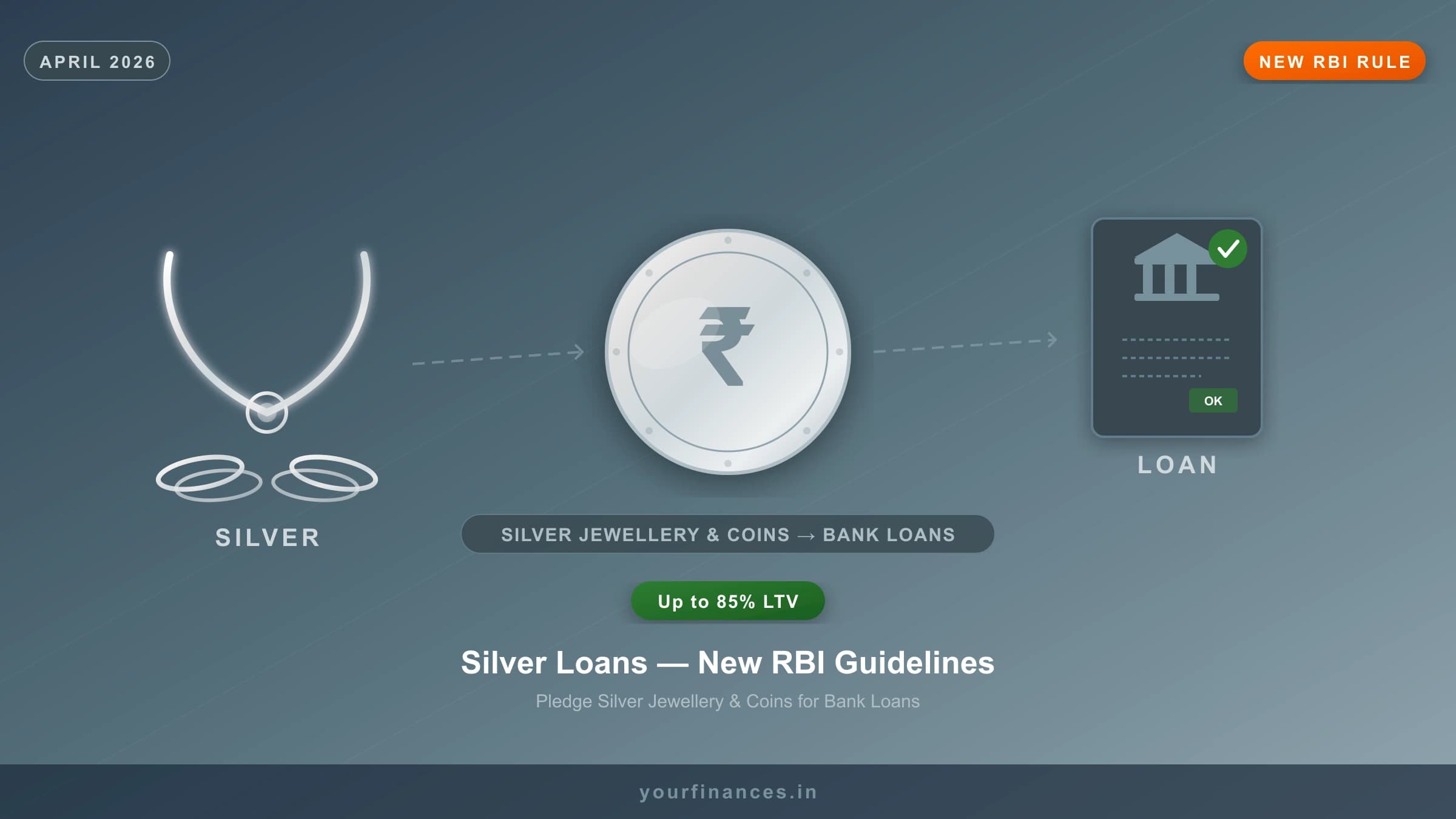
Your Silver Jewelry Can Now Get You a Loan
Here’s something most Indians don’t know yet: from April 1, 2026, you can walk into a bank or NBFC and take a loan by pledging your silver jewelry. Not just gold — silver.
The Reserve Bank of India has issued new rules under the “RBI (Lending Against Gold and Silver Collateral) Directions, 2025” that, for the first time, allow regulated lenders to accept silver ornaments and coins as collateral for loans. This is a big deal for millions of Indian families who own silver but not enough gold to pledge.
India is the world’s largest consumer of silver, using about 4,000 metric tonnes every year — mostly for jewelry, utensils, and ornaments. A huge chunk of this sits idle in homes. Now, it can work for you.
What Silver Can You Pledge?
Not all silver qualifies. The RBI has clear rules on what you can and can’t use:
Eligible Collateral
- Silver ornaments (necklaces, bangles, anklets, toe rings, etc.) — up to 10 kilograms
- Silver coins — up to 500 grams
Not Eligible
- Silver bars or bricks (bullion)
- Silver utensils (plates, glasses, bowls)
- Silver ETFs or mutual fund units
- Silver with non-silver gems or stones (only the metal value counts)
Think of it this way: if it’s jewelry you wear or coins you collect, it’s eligible. If it’s an investment bar or a dinner set, it’s not.
How Much Loan Can You Get?
The loan amount depends on the Loan-to-Value (LTV) ratio — basically, what percentage of your silver’s value the bank will lend you. The RBI has set tiered limits:
| Loan Amount | Maximum LTV | What It Means |
|---|---|---|
| Up to ₹2.5 lakh | 85% | You get ₹85 for every ₹100 worth of silver |
| ₹2.5 – 5 lakh | 80% | You get ₹80 for every ₹100 worth of silver |
| Above ₹5 lakh | 75% | You get ₹75 for every ₹100 worth of silver |
A Quick Example
Let’s say you have 5 kg of silver ornaments. At today’s price of roughly ₹2.49 lakh per kg (as of April 2026), your silver is worth about ₹12.45 lakh.
With an LTV of 75% (since the loan exceeds ₹5 lakh), you could get a loan of up to ₹9.3 lakh — without selling a single bangle.
How Is Your Silver Valued?
This is where the RBI has been very careful to protect borrowers from unfair valuation:
- The lender must use the lower of two prices: the 30-day average closing price OR the previous day’s closing price
- Prices are sourced from the India Bullion and Jewellers Association (IBJA) or SEBI-regulated commodity exchanges
- Only the intrinsic metal value is counted — gems, stones, and embellishments are excluded
- The lender must clearly communicate all deductions and disclose the exact daily rate applied
This means no lender can lowball the value of your silver. The pricing is standardised and transparent.
Who Can Give You a Silver Loan?
Almost any RBI-regulated financial institution:
- Commercial banks (SBI, HDFC, ICICI, etc.)
- Regional rural banks (Gramin banks)
- Co-operative banks
- NBFCs (Muthoot, Manappuram, Shriram Finance, etc.)
Gold loan NBFCs like Muthoot and Manappuram are expected to be early movers since they already have the infrastructure for precious metal lending.
What Are the Borrower Protections?
The RBI has built in strong safeguards to prevent abuse:
- Return within 7 days: After you repay the loan in full, the lender must return your silver within 7 working days
- ₹5,000/day penalty: If the lender delays returning your silver beyond 7 days, they owe you ₹5,000 per day as compensation
- Advance notice before auction: If you default, the lender must give you advance notice before auctioning your silver
- Surplus returned: If the auction fetches more than your outstanding loan, the surplus must be returned to you
- Purity testing: Lenders must follow documented purity testing procedures at the time of pledging
Silver Loan vs Gold Loan: Key Differences
| Feature | Gold Loan | Silver Loan |
|---|---|---|
| Interest Rate | 7–12% | Expected 8–14% (0.5–1.5% premium) |
| LTV Ratio | Up to 75% | Up to 85% (for small loans) |
| Max Collateral | No weight limit | 10 kg ornaments + 500g coins |
| Price Volatility | Lower | Higher (silver is more volatile) |
| Processing Time | 30 minutes | May take longer initially |
| Availability | Widespread | Rolling out from April 2026 |
The higher LTV for small silver loans (85% vs 75% for gold) is a clear incentive for low-income borrowers who may own silver but not gold.
Who Should Consider a Silver Loan?
Good Fit
- Farmers and rural households who own silver jewelry but not enough gold — this gives them access to formal credit
- Small traders with seasonal cash flow gaps who need short-term liquidity
- Emergency borrowers who need quick cash without selling family heirlooms
- Anyone avoiding personal loans — silver loans will be cheaper than unsecured personal loans (12–24%)
Not Ideal For
- Long-term borrowing — silver prices are volatile, and a sharp drop could trigger margin calls
- Consumption spending — don’t pledge grandmother’s silver to buy a phone
- Borrowers already stretched on EMIs — adding another loan increases risk
The Risks You Should Know
Silver loans aren’t risk-free. Here are the key concerns:
- Silver is more volatile than gold. Silver prices can swing 5–10% in a week. If prices drop sharply, the lender may ask you to pledge more silver or partly repay the loan (a “margin call”).
- Interest rates will be higher than gold loans. Expect a premium of 0.50–1.50% because of the higher volatility and lower liquidity of silver.
- Not all lenders are ready yet. While the rule is effective April 1, it may take a few months for banks and NBFCs to set up silver appraisal and storage infrastructure.
- Weight limit matters. At 10 kg max, the loan ceiling is roughly ₹18–20 lakh at current prices. For larger needs, gold loans remain the better option.
How to Apply for a Silver Loan
- Check with your bank or NBFC — ask if they’ve started offering silver-backed loans under the new RBI framework
- Gather your silver — ornaments and coins only (no bars, utensils, or ETFs)
- Visit the branch with valid ID (Aadhaar, PAN) and the silver items
- Get it appraised — the lender will test purity and value it per IBJA rates
- Sign the loan agreement — read the interest rate, tenure, and repayment terms carefully
- Receive funds — typically disbursed on the same day or next working day
Use our EMI Calculator to plan your repayment before you borrow.
The Bottom Line
The RBI’s silver loan rule is a genuinely progressive move. It brings millions of tonnes of idle household silver into the formal financial system, giving rural and lower-income families access to affordable credit they didn’t have before.
But like any loan, it’s a tool — not free money. Borrow for productive purposes, keep the tenure short, and always have a repayment plan. Silver prices can be fickle, and the last thing you want is to lose a family heirloom to an auction.
If you’re considering this option, wait a few weeks for lenders to fully roll out the product, compare rates across 2–3 institutions, and read the fine print before pledging.
Disclaimer: This article is for educational purposes only and does not constitute financial advice. Please consult a qualified financial advisor before making borrowing decisions.
Related Guides
- Investing in Gold in India — how the precious-metal side works.
- Gold ETFs: A Beginner's Guide — owning metal without storing it.
- Loan Against Property — another secured-borrowing route.
- Personal Loans Explained — the unsecured alternative and its costs.
Written by
Jaspal Singh
Founder & Editor
Personal finance writer helping Indians make smarter money decisions through clear, jargon-free guides on taxes, investments, and budgeting.
Continue Reading

Gold, Silver Import Duty Raised to 15%: What It Means for Prices, Rupee, and India's Trade Balance
India has raised import duty on gold and silver to 15% from 6%. Here is what the move means for bullion demand, trade deficit, forex reserves, and everyday buyers.
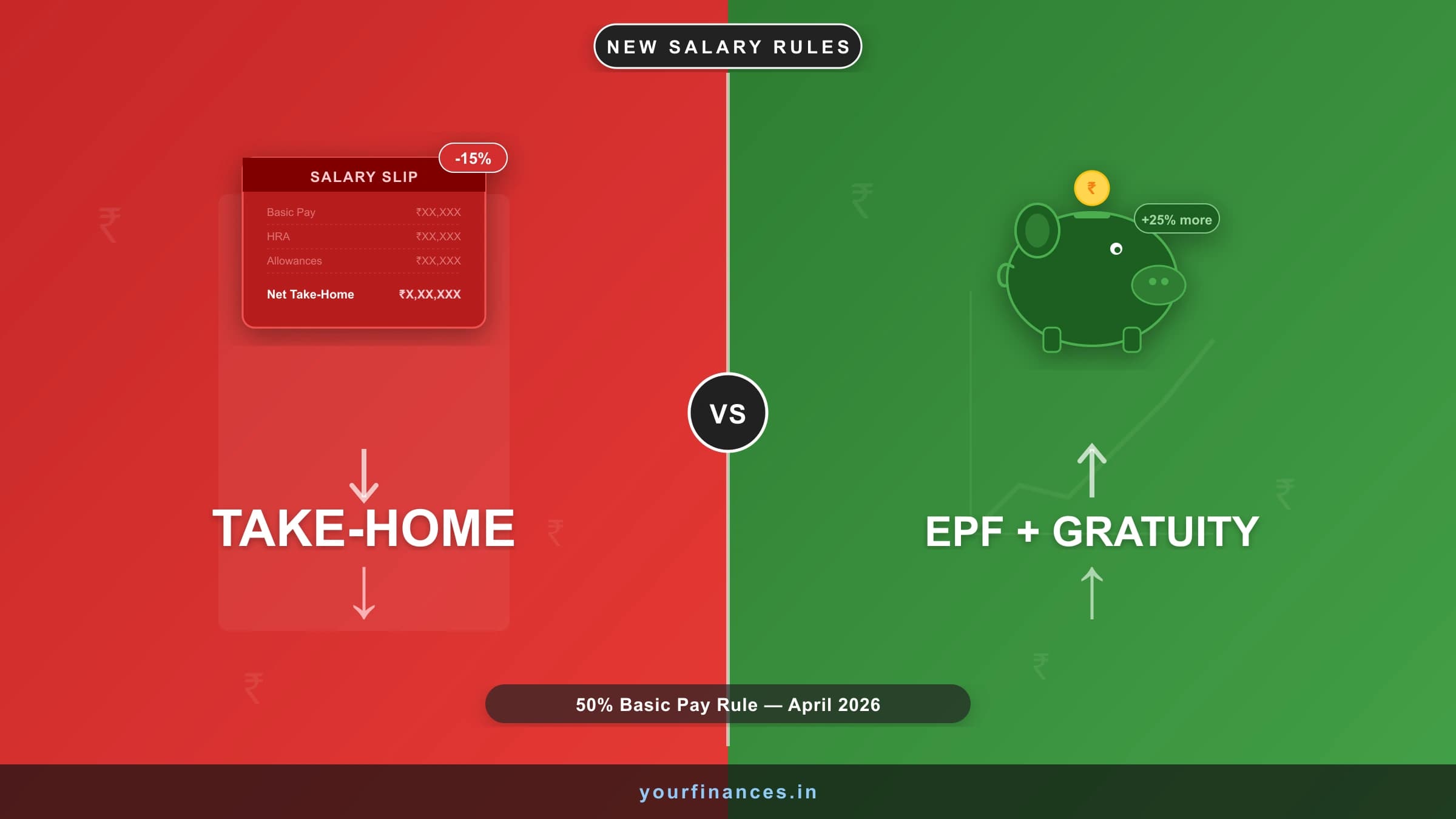
Your Take-Home Salary Just Got Cut — Here’s Why
From April 2026, your basic pay must be at least 50% of your CTC. That means lower take-home pay but significantly higher EPF and gratuity. Here’s what changed and what it means for your wallet.
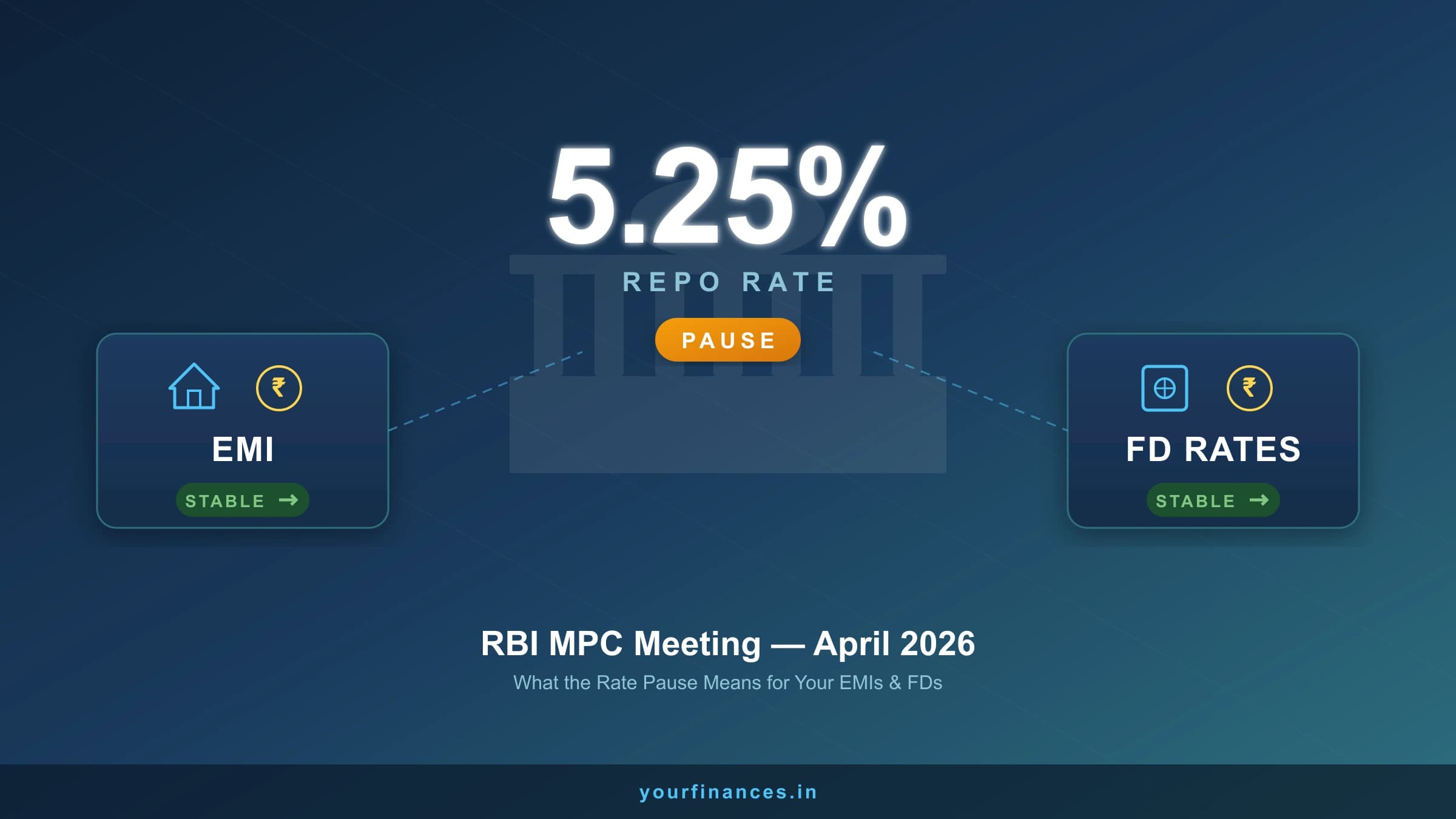
RBI MPC Meets Monday: Why Your EMI and FD Returns Won’t Change Yet
The RBI’s Monetary Policy Committee meets April 6-8. With oil above $100, the rupee at record lows, and inflation creeping up, here’s why the central bank is expected to hit pause — and what it means for your wallet.