Oil at $113: How the Iran-Hormuz Crisis Is Crushing India's Economy
Jaspal Singh
Author
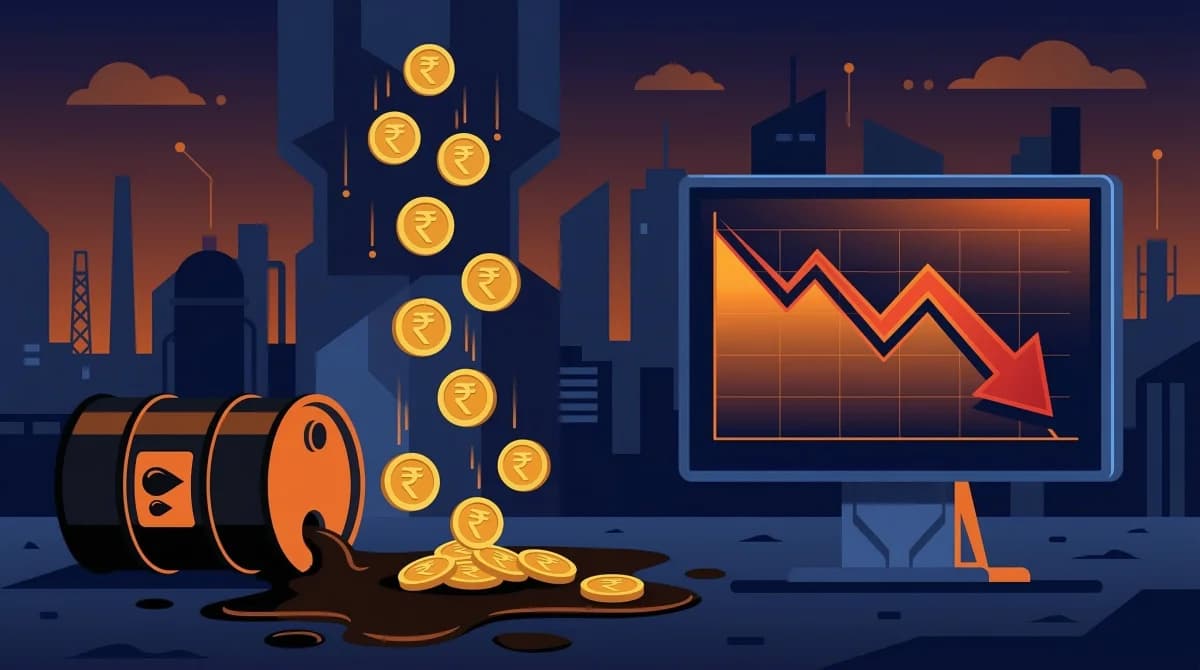
Update (March 24, 2026): In a dramatic reversal, oil prices have crashed ~11% from $113 to ~$100/barrel after Trump announced a 5-day postponement of strikes on Iran's energy infrastructure, citing "productive talks." This is India's biggest relief in weeks — but the crisis isn't over. Iran denies any talks, and the pause expires around March 28. If negotiations fail, oil could spike right back to $113+. Updated analysis below. Read the full ceasefire story here.
Oil at $113: India's Economic Crisis Has Arrived
India imports over 85% of its crude oil. That makes us extremely vulnerable to global oil price shocks. And that nightmare scenario is now here: with Brent crude at $113/barrel following the Strait of Hormuz escalation, India's economy faces its biggest challenge since the 2020 pandemic.
Here is what $113 oil means for you, your wallet, and the Indian economy.
The Numbers: How $113 Oil Hits India
| Impact Area | At $85 (Jan 2026) | At $100 (Early Mar) | At $113 (Now) |
|---|---|---|---|
| GDP Growth | 6.5% | 6.1-6.2% | 5.8-6.0% |
| Current Account Deficit | 1.5% of GDP | 2.0-2.5% | 2.5-3.0% |
| Fiscal Deficit | 4.5% of GDP | 5.0% | 5.2-5.5% |
| Inflation (CPI) | 4.5% | 5.5-6.0% | 6.0-6.5% |
| Petrol Price (Delhi) | ₹94/litre | ₹108-115 | ₹118-125/litre |
| Rupee vs Dollar | ₹87-88 | ₹90-92 | ₹92-95 |
The Strait of Hormuz Factor
The situation escalated dramatically in mid-March when the US-Iran conflict expanded to the Strait of Hormuz — the narrow waterway through which roughly 20% of the world's oil supply passes daily. Any disruption here doesn't just affect India — it triggers a global energy crisis.
For India specifically, the Strait of Hormuz is critical because a significant portion of our crude imports from Saudi Arabia, Iraq, Kuwait, and the UAE passes through this chokepoint. If shipping through the strait is disrupted even partially, India could face:
- Supply shortages: Even a temporary blockade could reduce India's oil imports by 30-40%
- Insurance costs soaring: Marine insurance premiums for tankers in the Persian Gulf have already tripled
- LPG and LNG disruption: India imports over 60% of its LPG through this route — cooking gas prices could spike
How Does Oil Impact GDP? The Chain Reaction
1. Import Bill Explodes
India spends roughly ₹15-16 lakh crore annually on crude oil imports. Every $10 increase in oil prices adds approximately ₹1.5 lakh crore to our import bill.
2. Inflation Goes Up
Higher oil means higher transportation costs, which means higher prices for everything — food, goods, services. Diesel is the backbone of India's logistics network.
3. RBI Rate Cuts Are Off the Table
The RBI had been on a cutting cycle — bringing the repo rate down to 5.25%. But with oil at $113 pushing inflation toward 6-6.5%, further rate cuts are almost certainly off the table for 2026. In fact, if inflation breaches the 6% upper tolerance band, the RBI may be forced to pause or even hike rates. This means your home loan EMI stays expensive — or could get worse.
Check how interest rate changes affect your EMI with our EMI Calculator.
4. Government Spending Gets Squeezed
The government may need to spend more on fuel subsidies or face voter anger from rising prices. Either way, less money for infrastructure and growth.
5. Rupee Weakens Further
More dollars flowing out for oil imports puts pressure on the rupee. A weaker rupee makes all imports more expensive, creating a vicious cycle.
Which Sectors Get Hit the Hardest?
- Airlines: Fuel is 40% of operating costs. IndiGo, SpiceJet could see margins crushed
- Paints: Crude oil derivatives are key raw materials
- Tyres: Rubber and oil-based chemicals get more expensive
- FMCG: Packaging and transportation costs rise
- Logistics: Higher diesel costs directly hit trucking companies
Sectors That Could Benefit
- ONGC, Oil India: Higher crude means higher revenues for domestic producers
- Renewable Energy: High oil prices make solar and wind more attractive
- Electric Vehicles: Every oil spike pushes more consumers toward EVs
What Can India Do About It?
India has been building its Strategic Petroleum Reserves (SPR) — emergency oil stockpiles. Currently, India has about 39 days of emergency oil supply.
- Release strategic reserves to cool domestic prices
- Negotiate better deals with Russia for discounted crude
- Push for more renewable energy to reduce long-term oil dependence
- Cut excise duty on petrol and diesel temporarily
What Should You Do as an Investor?
- Review your portfolio for heavy exposure to oil-sensitive sectors
- Consider defensive stocks in pharma, FMCG, and IT
- Keep SIPs running — volatile times are when SIPs work best
- Gold is NOT hedging this time: Unlike past oil crises, gold has also crashed (down 20% from peak) as higher rates and a strong dollar crush all commodities. Don't assume gold will protect you — read our gold analysis here
Use our SIP Calculator to see how consistent investing helps navigate volatile markets over the long term.
Disclaimer: This article is for educational purposes only and does not constitute financial advice. Please consult a qualified financial advisor before making investment decisions.
Written by
Jaspal Singh
Founder & Editor
Personal finance writer helping Indians make smarter money decisions through clear, jargon-free guides on taxes, investments, and budgeting.
Continue Reading

Gold, Silver Import Duty Raised to 15%: What It Means for Prices, Rupee, and India's Trade Balance
India has raised import duty on gold and silver to 15% from 6%. Here is what the move means for bullion demand, trade deficit, forex reserves, and everyday buyers.

Your Take-Home Salary Just Got Cut — Here’s Why
From April 2026, your basic pay must be at least 50% of your CTC. That means lower take-home pay but significantly higher EPF and gratuity. Here’s what changed and what it means for your wallet.
Silver Loans Are Now Legal in India — Here’s How to Get One
From April 1, the RBI allows banks and NBFCs to give loans against your silver jewelry and coins. Up to 85% LTV, 10kg silver limit, and strict borrower protections. Here’s everything you need to know.