Your EMIs Are About to Get Expensive — Here's Why and What to Do
Jaspal Singh
Author
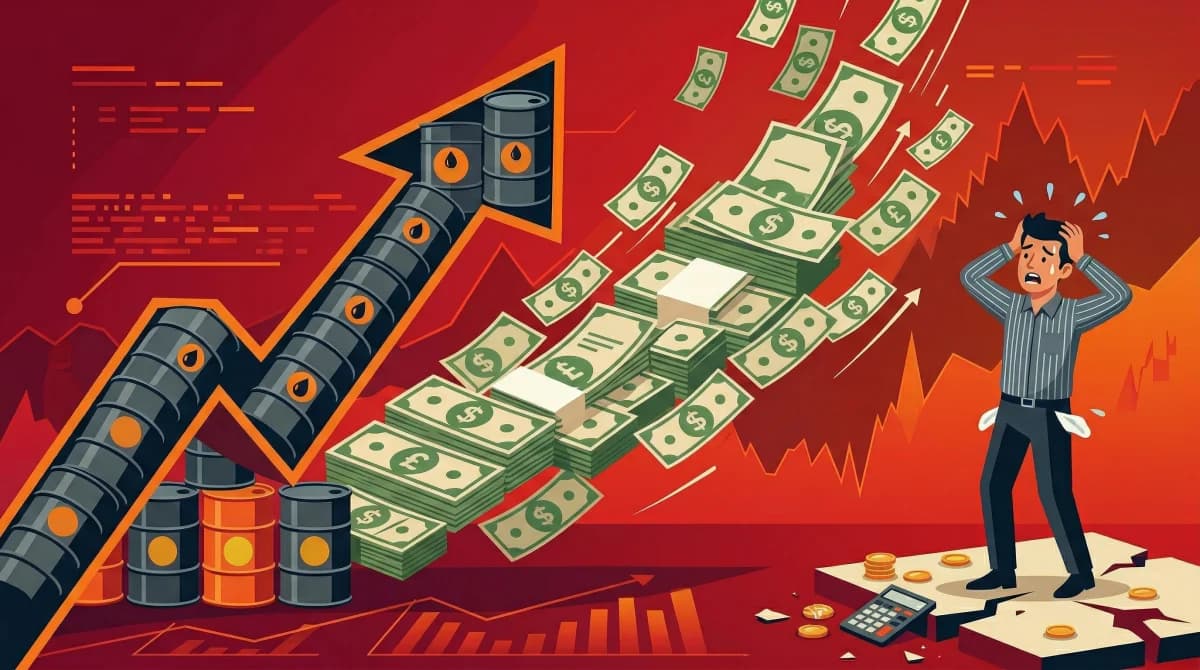
The Rate Cut Party May Be Over
For the past year, borrowers have been celebrating. The RBI cut the repo rate multiple times, bringing it down to 5.25%. Home loan rates dropped. EMIs became more affordable. Life was good.
But that party might be ending. Here's what changed:
- Brent crude oil: Surged to $113/barrel — up 60% in 30 days due to the US-Iran Strait of Hormuz crisis
- Inflation: Expected to breach 6-6.5% (above RBI's 6% upper tolerance band)
- Rupee: Crashed to ₹93.89/dollar — making oil imports even more expensive
- FPI outflows: ₹88,000 crore pulled out of India in March alone
If inflation stays above 6%, the RBI is legally mandated to act. That means further rate cuts are off the table — and a rate hike becomes a real possibility.
How a Rate Hike Affects Your EMI
Here's the impact on a ₹50 lakh home loan (20 years, floating rate):
| Repo Rate Change | Loan Rate | Monthly EMI | Extra Per Month |
|---|---|---|---|
| Current (5.25%) | 8.50% | ₹43,391 | — |
| +0.25% hike | 8.75% | ₹44,236 | +₹845 |
| +0.50% hike | 9.00% | ₹45,095 | +₹1,704 |
| +0.75% hike | 9.25% | ₹45,968 | +₹2,577 |
| +1.00% hike | 9.50% | ₹46,854 | +₹3,463 |
A 0.50% rate hike means you pay ₹1,704 more every month — that's ₹20,448 extra per year, or ₹4.09 lakh over the remaining 20 years. Use our EMI Calculator to check the impact on your specific loan.
Who Gets Hit the Hardest?
1. Floating-Rate Home Loan Borrowers
If your home loan is on a floating rate (which most are), your EMI adjusts automatically when the bank revises its lending rate. You'll see the change within 1-3 months of a repo rate hike.
2. New Borrowers
If you're planning to take a home loan or car loan in the next 6 months, you'll likely face higher rates than today. Locking in a loan now — at current rates — could save you money in the long run.
3. People With Multiple EMIs
If you're already paying home loan + car loan + personal loan, even a small rate hike across all three can add up to ₹3,000-₹5,000 extra per month.
What Should You Do Right Now?
1. Lock In Current Rates If You're Planning a Loan
If you've been thinking about a home loan or car loan, apply now. Rates today are near their lowest point in this cycle. Waiting 3-6 months could mean paying 0.25-0.50% more.
2. Consider Fixed-Rate Options
Some banks offer fixed-rate periods (typically 2-3 years) on home loans. If you believe rates will rise, locking in a fixed rate for the initial period protects you from the first wave of hikes.
3. Start Prepaying Aggressively
The best defence against rising rates is a smaller loan balance. Every rupee you prepay reduces the impact of future rate hikes. Thanks to the new RBI no-penalty rule, there's no cost to prepaying floating-rate loans.
4. Build a Buffer
Set aside 3 months of extra EMI in a separate savings account. If rates go up by 0.50-0.75%, you won't feel the squeeze immediately.
5. Review Your Total Debt-to-Income Ratio
If your total EMIs exceed 40% of your take-home pay, you're in the danger zone. Consider debt consolidation or prepaying smaller loans to free up cash flow before the hikes hit.
What the RBI Will Likely Do
The next RBI Monetary Policy Committee (MPC) meeting is in April 2026. Here's what analysts expect:
- If oil stays at $100-110: RBI will hold rates at 5.25% (pause)
- If oil crosses $115-120: RBI may hike by 0.25% in April, with more hikes possible
- If oil falls below $90: Rate cuts could resume (but this looks unlikely given the Strait of Hormuz situation)
Read our full analysis of the oil crisis impact on India's economy.
Disclaimer: This article is for educational purposes only. Interest rate predictions are speculative and based on current market conditions as of March 23, 2026. Actual RBI decisions may differ. Please consult a qualified financial advisor for decisions about your specific loans.
Written by
Jaspal Singh
Founder & Editor
Personal finance writer helping Indians make smarter money decisions through clear, jargon-free guides on taxes, investments, and budgeting.
Continue Reading
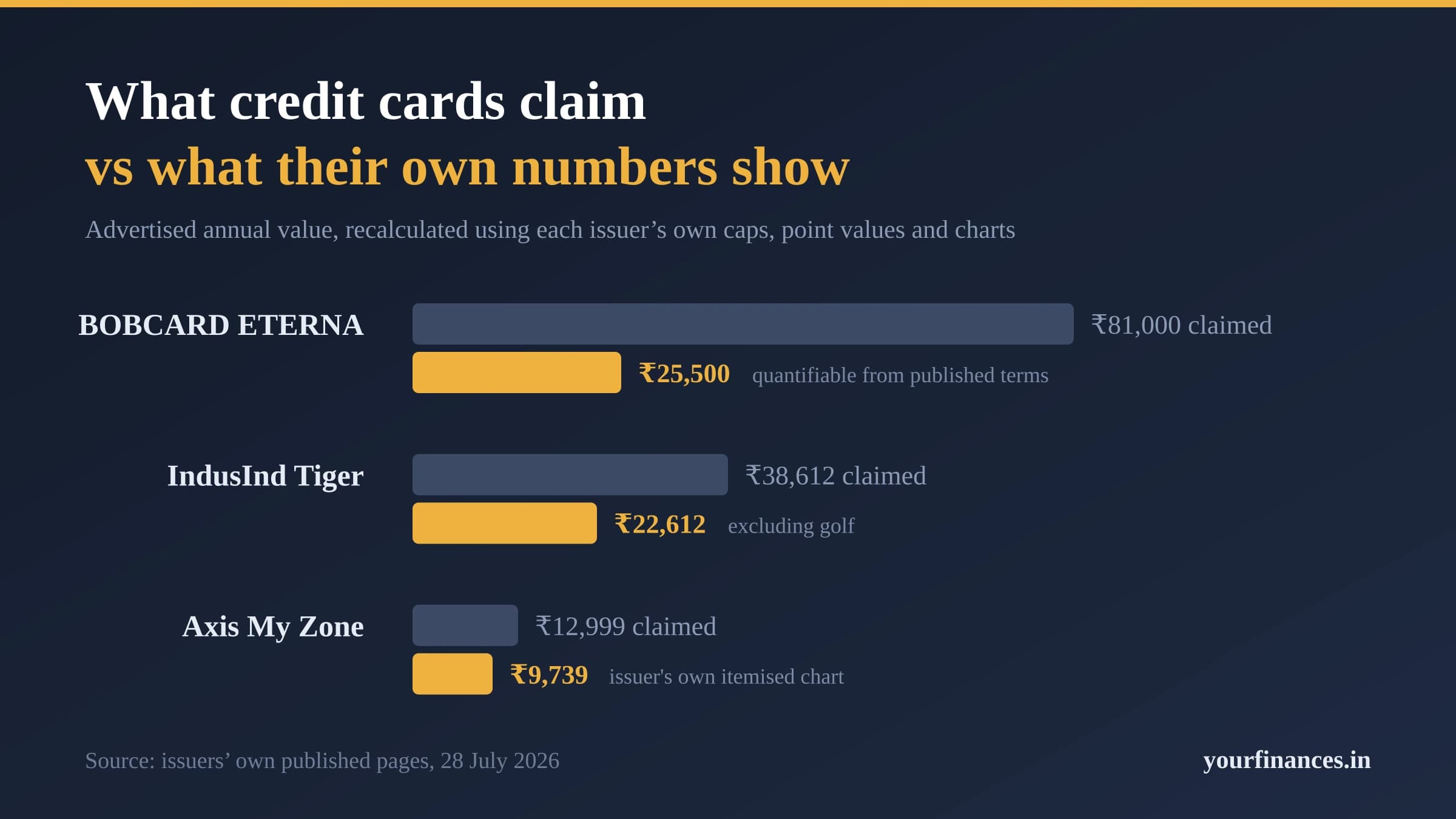
What Indian Credit Cards Claim vs What Their Own Numbers Show
An original study of eight Indian credit cards from seven issuers, using only figures each bank publishes itself. The illustrations consistently sit just inside caps the headlines never mention.
Personal Loan vs Credit Card Debt: Which Is Worse for Your Money?
Credit cards charge 36-42% interest. Personal loans charge 10-18%. The math is clear — but the real story is more nuanced. Here's the complete comparison.
The BNPL Trap: How "Buy Now Pay Later" Is Creating India's Hidden Debt Crisis
60% of BNPL users spend more than they can afford. Late fees can hit 30-40% interest. Here's how Buy Now Pay Later apps are trapping young Indians in invisible debt.