The BNPL Trap: How "Buy Now Pay Later" Is Creating India's Hidden Debt Crisis
Jaspal Singh
Author
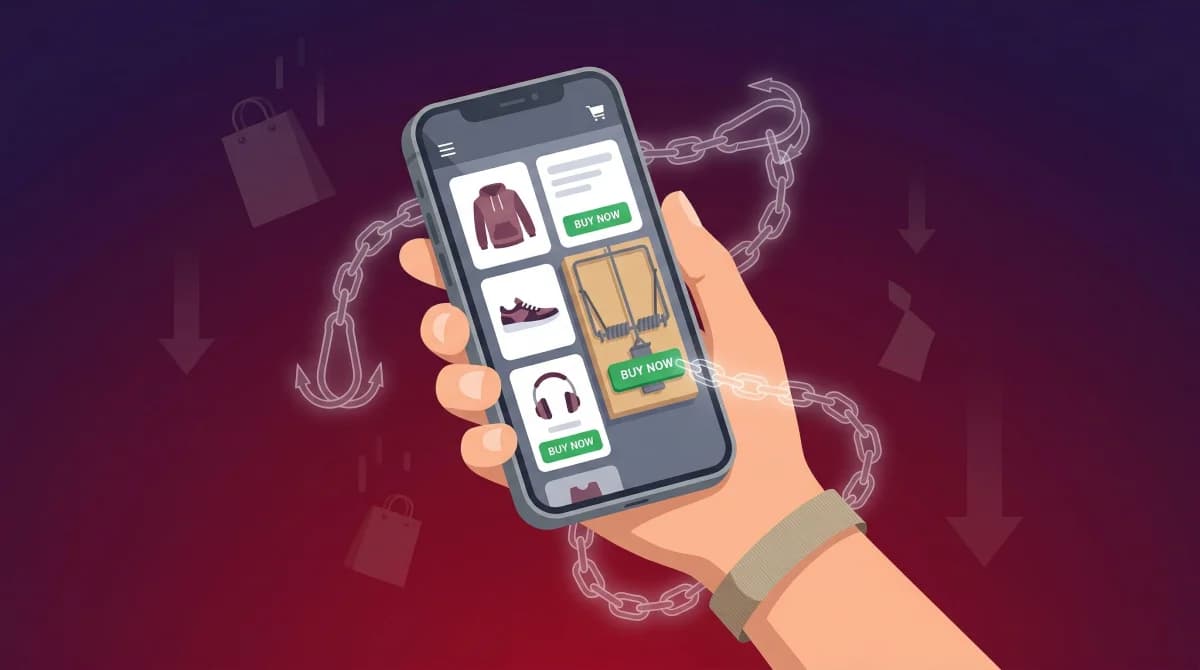
"Just ₹99/month" — The Most Dangerous Words in Indian Finance
You're scrolling through Amazon. A ₹12,000 headphone catches your eye. You can't afford it right now. But then you see: "Pay in 3 easy installments of ₹4,000. No cost EMI."
You click. You buy. You feel nothing. No wallet getting thinner, no cash leaving your hand. It doesn't even feel like spending money.
And that's exactly the problem.
Buy Now Pay Later (BNPL) — offered by apps like Simpl, LazyPay, ZestMoney, Amazon Pay Later, and Flipkart Pay Later — has become India's fastest-growing form of debt. The market has grown at 34% annually and is expected to reach $30.45 billion in 2026.
But behind those "easy" payments lies a growing crisis that's trapping millions of young Indians in debt they don't even recognize as debt.
The Numbers Are Alarming
- 60% of BNPL users admit to spending more than they could afford (CIBIL survey)
- 20% of BNPL users saw their credit score decline after using these services
- Late payment penalties can spike to 30-40% annualized interest (RBI finding)
- The average BNPL user has 3-4 active "pay later" accounts
How BNPL Apps Trap You
1. They Remove the "Pain of Paying"
Behavioral research shows that handing over cash or seeing your bank balance drop creates a psychological "pain of paying" that naturally limits spending. BNPL eliminates this entirely. You buy now, the pain comes later — by which time you've already bought 5 more things.
2. "No Cost EMI" Is Rarely Free
That "no cost EMI" usually means the discount you would have received is instead used to subsidize the EMI plan. Or the merchant pays the BNPL company 2-5% of the transaction value — a cost that's built into the product price. You're paying for the convenience; it's just hidden.
3. Late Fees Are Brutal
Miss one payment on a ₹5,000 BNPL purchase, and you might face:
- Late fee: ₹200-₹500 per missed payment
- Interest on outstanding: 24-36% per annum
- Repeated reminders, calls, and collection pressure
- CIBIL score damage — most BNPL providers now report to credit bureaus
4. They Target the Young and Vulnerable
BNPL apps specifically target 18-30 year olds — people with limited financial literacy, irregular incomes (gig workers, freelancers, students), and high aspirational spending. The onboarding is designed to be frictionless: one PAN card, one selfie, instant credit line.
5. The Debt Is Invisible
Unlike a home loan EMI that shows up prominently in your bank statement, BNPL debt is scattered across 3-4 different apps. You might owe ₹3,000 on Simpl, ₹5,000 on Amazon Pay Later, ₹8,000 on LazyPay, and ₹2,000 on Flipkart Pay Later. Each one feels small. Together, that's ₹18,000 in debt you barely track.
Real Impact: How BNPL Destroys Credit Scores
When you apply for a home loan or car loan in the future, the bank checks your CIBIL report. If they see:
- Multiple BNPL accounts (suggests over-reliance on credit)
- Late payments on BNPL (even ₹500 missed payments)
- High "credit utilization" across BNPL + credit cards
Your home loan application could be rejected or given a higher interest rate. A ₹5,000 headphone bought on BNPL in your 20s could cost you ₹2-3 lakh extra on your home loan in your 30s because of the credit score damage.
What You Should Do
If You're Already Using BNPL
- List all your BNPL obligations: Open every app, note the outstanding amount and due date
- Pay off any overdue amounts immediately — the late fees compound fast
- Clear the smallest BNPL debts first (snowball method) — see our debt payoff guide
- Check your CIBIL score: See if BNPL has already affected it
To Avoid the BNPL Trap
- Delete BNPL apps: If you can't control the spending, remove the temptation
- Use the 24-hour rule: Want something on BNPL? Wait 24 hours. If you still want it and can pay in full, buy it with your own money
- Set a hard monthly limit: No more than ₹5,000 total across all BNPL services
- Use a debit card instead: It forces you to spend only what you have
The Bigger Picture
BNPL isn't inherently evil. Used responsibly — for a genuinely needed purchase that you'll pay off on time — it's fine. The problem is that these apps are designed to make you spend impulsively. The friction-free experience, the small-looking installments, and the delayed payment all exploit well-known psychological biases.
India's regulators are catching up. The RBI's Digital Lending Directions, 2025 now require BNPL providers to follow the same rules as other lenders — including proper KYC, transparent interest disclosure, and credit bureau reporting. But regulation can only do so much. The rest is up to you.
Disclaimer: This article is for educational purposes only. BNPL terms and charges vary by provider. Check the terms and conditions of your specific BNPL service for accurate information.
Written by
Jaspal Singh
Founder & Editor
Personal finance writer helping Indians make smarter money decisions through clear, jargon-free guides on taxes, investments, and budgeting.
Continue Reading
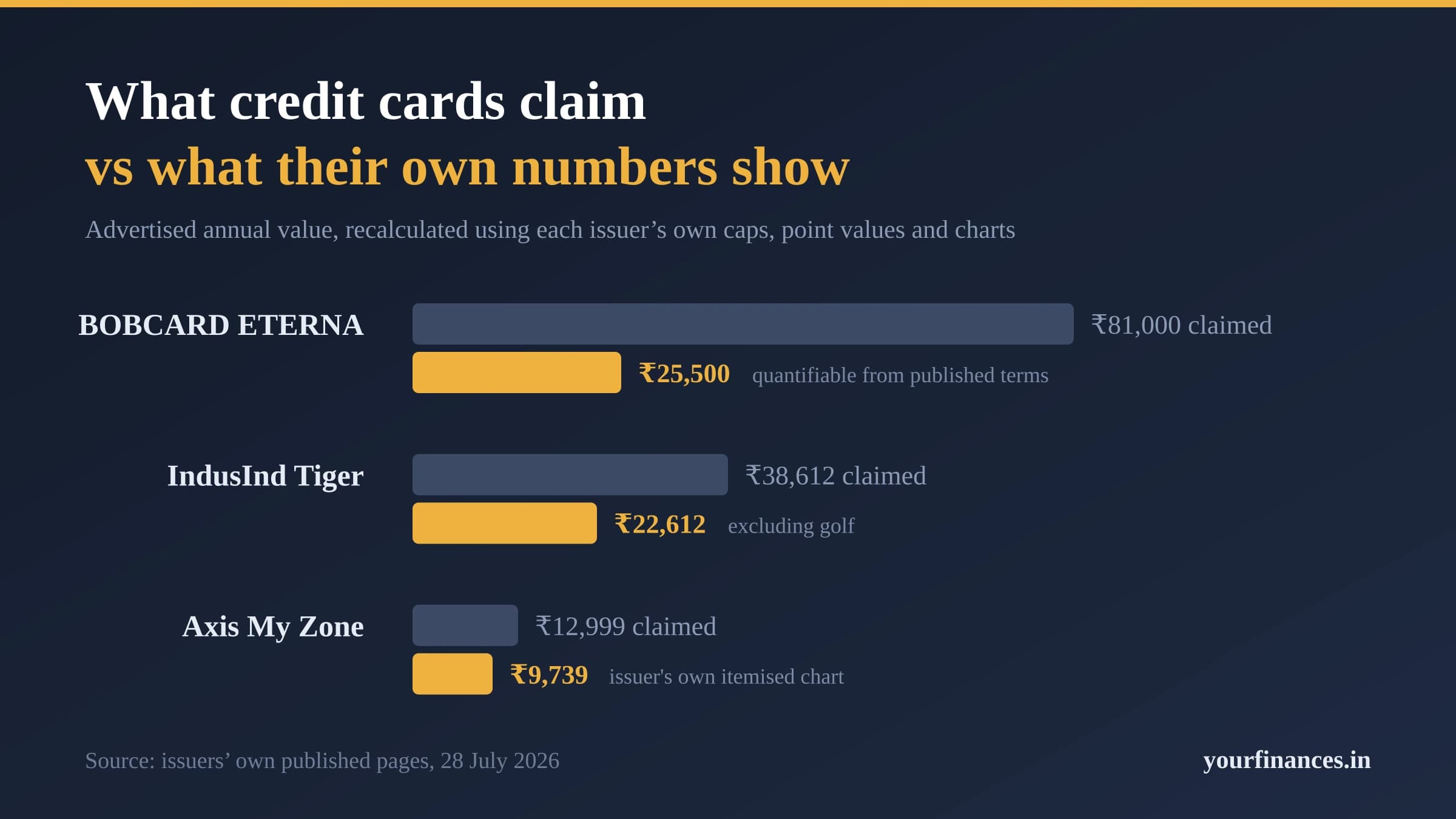
What Indian Credit Cards Claim vs What Their Own Numbers Show
An original study of eight Indian credit cards from seven issuers, using only figures each bank publishes itself. The illustrations consistently sit just inside caps the headlines never mention.
Personal Loan vs Credit Card Debt: Which Is Worse for Your Money?
Credit cards charge 36-42% interest. Personal loans charge 10-18%. The math is clear — but the real story is more nuanced. Here's the complete comparison.
Your EMIs Are About to Get Expensive — Here's Why and What to Do
Oil at $113, inflation rising, RBI rate cuts on hold. If you have a floating-rate home or car loan, your EMI could increase soon. Here's how to prepare.