Debt Consolidation in India: Should You Take a Loan to Pay Off Loans?
Jaspal Singh
Author
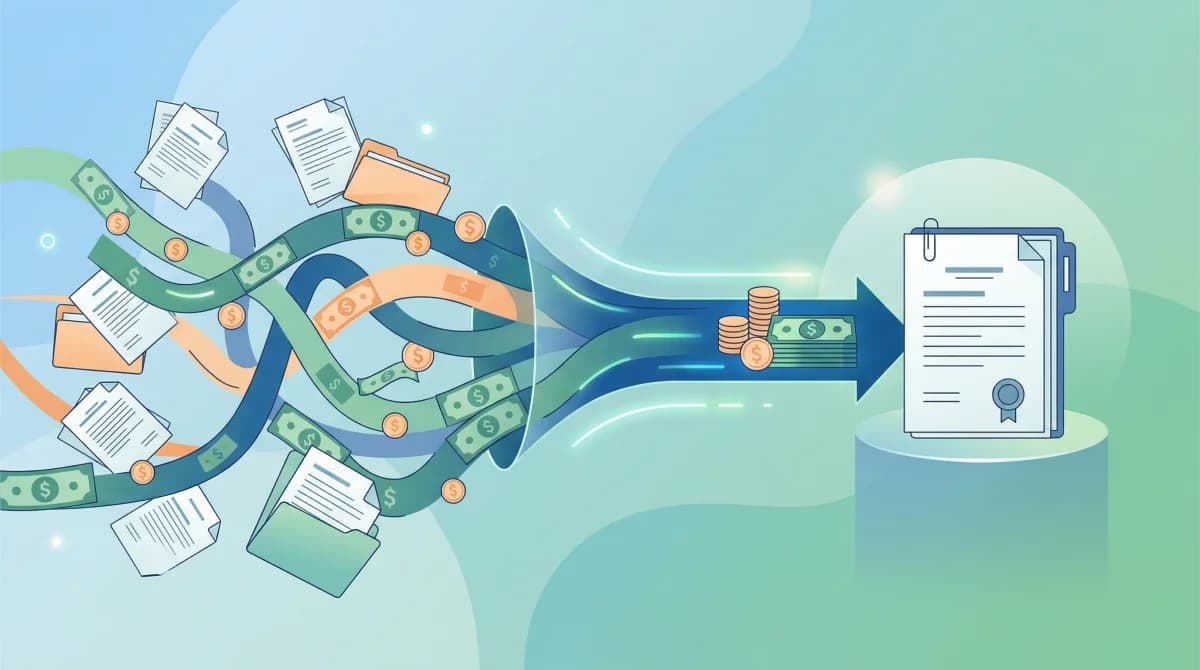
Multiple EMIs? You're Not Alone
Credit card bill. Personal loan EMI. Car loan EMI. Maybe a Buy Now Pay Later payment too. If you're juggling 3 or more debt payments every month, you know the stress of keeping track of different due dates, different interest rates, and the constant feeling that you're drowning.
Debt consolidation is the idea of taking one single loan to pay off all your other debts — so you have just one EMI, one due date, and (hopefully) a lower overall interest rate.
It sounds perfect on paper. But like most financial products, it can either save you or sink you deeper. Let's break down when it works and when it doesn't.
How Debt Consolidation Works in India
Here's the basic process:
- You have multiple debts: credit card (₹2 lakh at 36%), personal loan (₹3 lakh at 14%), BNPL (₹50,000 at 24%)
- You take a new personal loan of ₹5.5 lakh at 11-13%
- You use this loan to pay off all three debts
- Now you have one EMI instead of three, at a lower blended interest rate
When Debt Consolidation Makes Sense
1. Your High-Interest Debt Is Crushing You
If a significant portion of your debt is on credit cards (36-42% interest) or BNPL apps (24-36%), consolidating into a personal loan at 11-14% can cut your interest cost by more than half.
| Debt Type | Amount | Interest Rate | Monthly Interest |
|---|---|---|---|
| Credit Card | ₹2,00,000 | 36% | ₹6,000 |
| Personal Loan | ₹3,00,000 | 14% | ₹3,500 |
| BNPL | ₹50,000 | 24% | ₹1,000 |
| Total | ₹5,50,000 | Blended ~22% | ₹10,500 |
| Consolidated Loan | ₹5,50,000 | 12% | ₹5,500 |
That's ₹5,000 saved every month — ₹60,000 per year — just by consolidating.
2. You're Missing Payments
If juggling multiple due dates means you're frequently missing payments (and paying late fees + damaging your CIBIL score), a single EMI simplifies everything.
3. Your Credit Score Is Still Decent (700+)
You need a reasonable credit score to get a consolidation loan at a good rate. If your score is above 700, you can likely get 11-14%. Above 750, you might get 10-12%.
When Debt Consolidation Is a Trap
1. You Extend the Tenure Too Much
A common mistake: consolidating ₹5 lakh of debt into a 5-year loan instead of finishing it in 2 years. The monthly EMI looks smaller, but you end up paying significantly more total interest.
Rule of thumb: your consolidation loan tenure should be no longer than the weighted average remaining tenure of your existing debts.
2. You Don't Address the Root Cause
If you consolidate ₹5 lakh of credit card debt but keep using your credit cards the same way, you'll end up with ₹5 lakh in new credit card debt PLUS the consolidation loan. You've doubled your problem.
The rule: Cut up your credit cards (or at least freeze them) until the consolidation loan is fully paid off.
3. The Processing Fees Eat Your Savings
Most personal loans charge 1-3% processing fees. On ₹5 lakh, that's ₹5,000-₹15,000 upfront. If the interest rate difference between your current debts and the new loan is small, the fees can wipe out the benefit.
4. Your Credit Score Is Below 650
With a low credit score, you'll only get consolidation loans at 18-24%. At that point, you're barely saving anything compared to your existing debt rates.
Step-by-Step: How to Consolidate Debt in India
- List all your debts: Amount, interest rate, monthly payment, remaining tenure
- Check your CIBIL score: Free on the CIBIL website. You need 700+ for decent rates
- Calculate the breakeven: Will the new loan (including processing fees) cost less than your current debts? Use our EMI Calculator
- Compare lenders: Check rates from SBI, HDFC, ICICI, Bajaj Finance, and at least 2 NBFCs
- Apply for the loan: Keep the tenure as short as you can afford
- Pay off all existing debts immediately once the loan is disbursed
- Close old credit lines or freeze them to avoid re-accumulating debt
Alternatives to Debt Consolidation
- Balance transfer on credit cards: Some banks offer 0% interest for 3-6 months on balance transfers
- Negotiate with existing lenders: Ask for a lower rate or a restructured payment plan
- The snowball or avalanche method: Pay off debts strategically without taking a new loan — read our guide here
Disclaimer: This article is for educational purposes only. Interest rates are indicative and vary by lender and credit profile. Taking on new debt to pay old debt carries risks. Please consult a qualified financial advisor before making decisions.
Written by
Jaspal Singh
Founder & Editor
Personal finance writer helping Indians make smarter money decisions through clear, jargon-free guides on taxes, investments, and budgeting.
Continue Reading
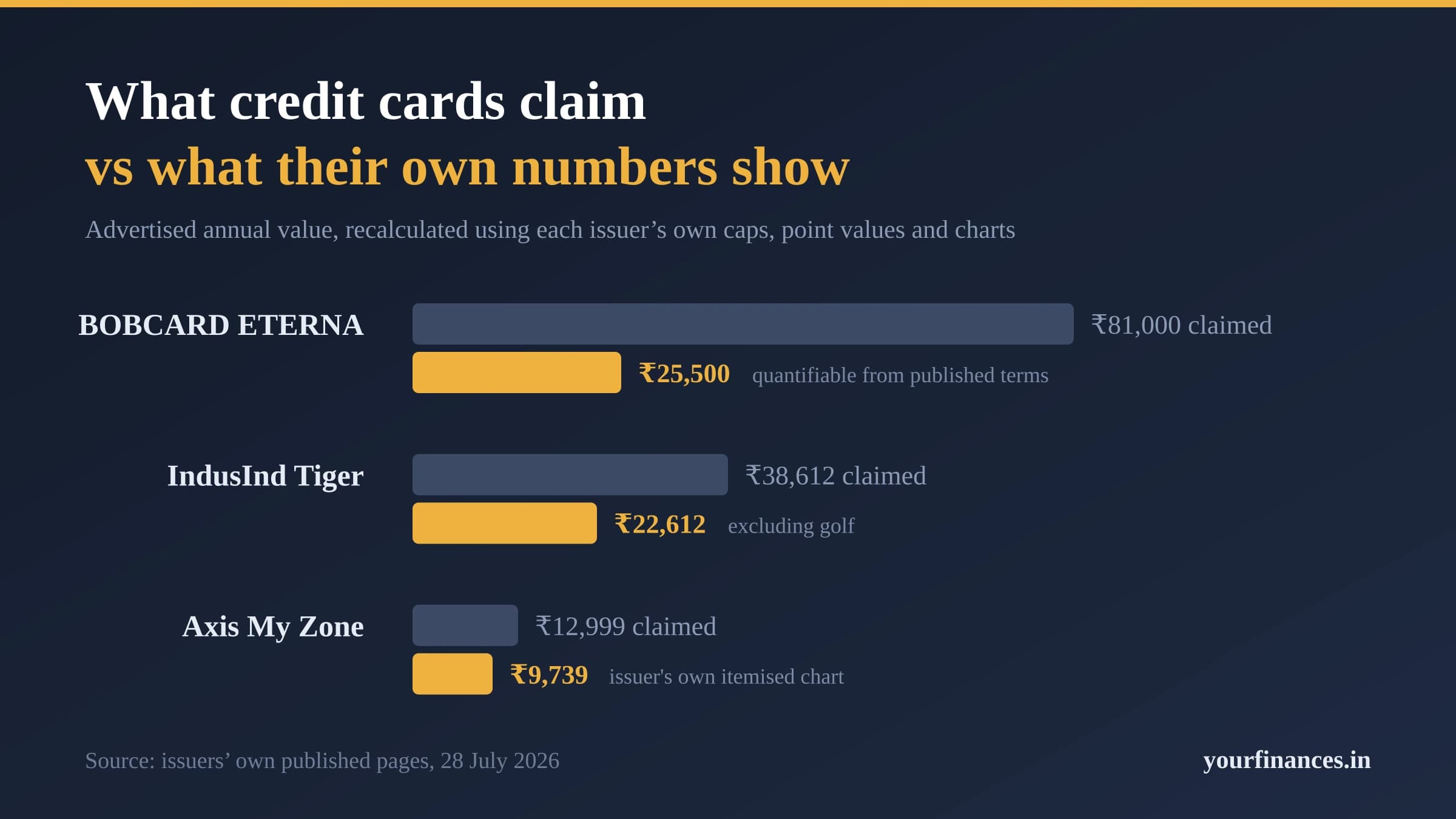
What Indian Credit Cards Claim vs What Their Own Numbers Show
An original study of eight Indian credit cards from seven issuers, using only figures each bank publishes itself. The illustrations consistently sit just inside caps the headlines never mention.
Personal Loan vs Credit Card Debt: Which Is Worse for Your Money?
Credit cards charge 36-42% interest. Personal loans charge 10-18%. The math is clear — but the real story is more nuanced. Here's the complete comparison.
The BNPL Trap: How "Buy Now Pay Later" Is Creating India's Hidden Debt Crisis
60% of BNPL users spend more than they can afford. Late fees can hit 30-40% interest. Here's how Buy Now Pay Later apps are trapping young Indians in invisible debt.