Petrol Prices "Stable" — But Stealth Hikes Have Already Begun
Jaspal Singh
Author
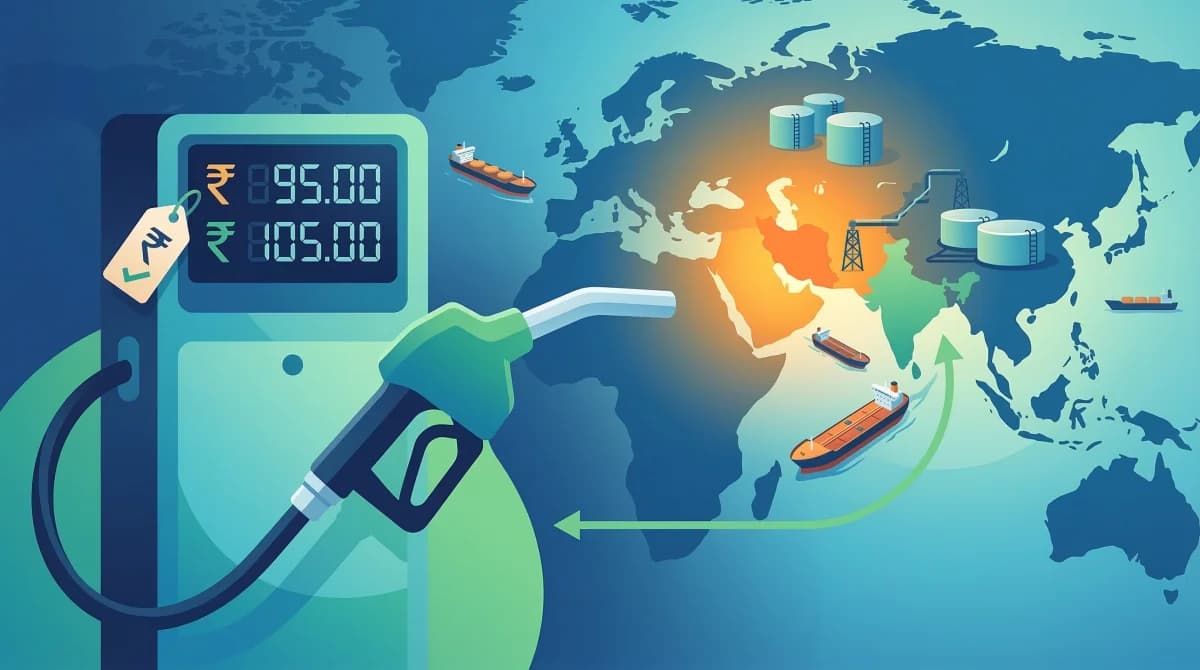
Update (March 23, 2026): While regular petrol and diesel remain officially "unchanged," the government quietly hiked premium petrol by ₹2.09-2.35/litre and industrial diesel by 25% on March 20. The "stable prices" story is no longer entirely accurate — read the full breakdown below.
Where Do Fuel Prices Stand Today?
On the surface, regular petrol and diesel prices have remained unchanged in India. But scratch beneath the surface, and the cracks are showing. On March 20, oil marketing companies implemented stealth price hikes on premium fuels and industrial diesel — a sign that the dam is starting to break.
With Brent crude at $113 per barrel, the rupee at ₹93.89, and the Strait of Hormuz crisis intensifying, how long can regular fuel prices hold?
Why Are Global Oil Prices Rising?
The Iran-related conflict in West Asia has sent oil markets into a frenzy. Here's why:
- Strait of Hormuz threat: 20% of global oil passes through this narrow waterway
- Supply disruption fears: Even a partial blockage would spike prices
- OPEC+ production cuts: Major oil producers are already restricting output
- India's oil import dependency: We import 85% of our crude oil
How Is India Keeping Prices Stable?
The government is using several tools to absorb the global price shock:
1. Oil Marketing Companies (OMCs) Absorb Losses
Companies like Indian Oil, BPCL, and HPCL are selling fuel below cost. This means they're taking a hit on their profit margins to keep retail prices stable. This isn't sustainable long-term, but it works in the short run.
2. Strategic Petroleum Reserves
India has been building strategic oil reserves at Mangalore, Visakhapatnam, and Padur. These reserves provide a buffer of about 9-10 days of consumption.
3. Diversified Import Sources
India has been buying discounted Russian crude oil, reducing dependence on Middle Eastern supplies.
Pakistan's Contrast
While India holds steady, Pakistan just increased petrol prices by PKR 55 per litre. This shows how difficult it is for countries without India's scale and reserves to manage oil shocks. India's larger economy and diversified supply chains give it more cushion.
The Stealth Hike You Might Have Missed (March 20)
While the government assured "no price hike on regular petrol," IOCL, BPCL, and HPCL quietly increased prices on premium fuel variants on March 20, 2026:
| Fuel Type | Brand | Hike | New Price (Mumbai) |
|---|---|---|---|
| Premium Petrol | XP95 (IOCL) | +₹2.09/L | ₹112.53 |
| Premium Petrol | Speed (BPCL) | +₹2.35/L | ~₹111 |
| Premium Petrol | Power (HPCL) | +₹2.20/L | ~₹112 |
| Industrial Diesel | All OMCs | +25% | ₹109-110/L |
Why this matters: This is a classic "test the waters" strategy. The government avoids the political cost of hiking regular fuel (used by the masses) but raises prices on premium variants (used by wealthier consumers) and industrial diesel (which businesses absorb). If there's no public backlash, a broader hike becomes more likely.
Industrial diesel at ₹109-110 per litre directly impacts manufacturing costs, logistics, and freight charges — which will eventually show up in the prices of goods you buy.
What Could Trigger a Full Price Hike?
Watch out for these triggers:
- Brent crossing $130: If crude stays above $130 for more than 2-3 weeks, a hike becomes inevitable
- Rupee at ₹93.89 (already breached): The rupee has crashed past 93 — this trigger has already been hit. Full analysis here
- Post-election period: Governments typically avoid hikes before elections but adjust after
- OMC losses mounting: If oil companies report massive quarterly losses, the government may have to act
How Does This Affect You?
Even though pump prices haven't changed, oil prices affect you indirectly:
- LPG prices: Domestic LPG was hiked by ₹60 on March 7 to ₹913/cylinder. Full LPG analysis here
- Flight tickets: Jet fuel prices have risen, pushing up airfares
- Transport costs: Freight charges may rise, increasing prices of goods
- Inflation: Higher oil = higher inflation = potentially higher interest rates
What Should You Do?
If you have a car loan or any EMI-based loan, be prepared for potential rate hikes. Use our EMI Calculator to check how a 0.25-0.50% rate increase would affect your monthly payments.
Also consider building a slightly larger emergency fund — aim for 6-8 months of expenses instead of the usual 3-6 months, given the uncertainty.
Disclaimer: This article is for educational purposes only and does not constitute financial advice. Please consult a qualified financial advisor before making investment decisions.
Written by
Jaspal Singh
Founder & Editor
Personal finance writer helping Indians make smarter money decisions through clear, jargon-free guides on taxes, investments, and budgeting.
Continue Reading
Gold, Silver Import Duty Raised to 15%: What It Means for Prices, Rupee, and India's Trade Balance
India has raised import duty on gold and silver to 15% from 6%. Here is what the move means for bullion demand, trade deficit, forex reserves, and everyday buyers.
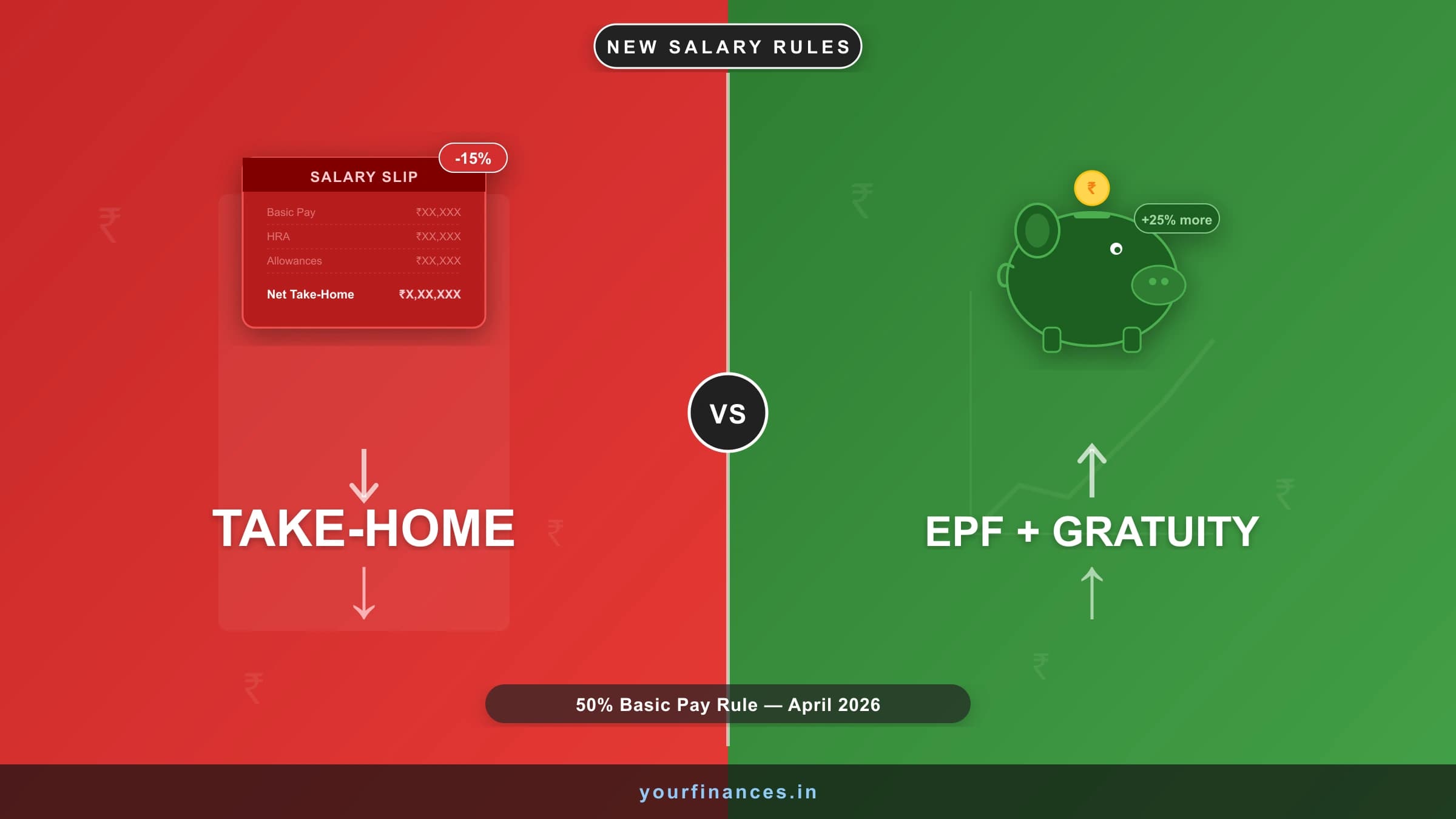
Your Take-Home Salary Just Got Cut — Here’s Why
From April 2026, your basic pay must be at least 50% of your CTC. That means lower take-home pay but significantly higher EPF and gratuity. Here’s what changed and what it means for your wallet.
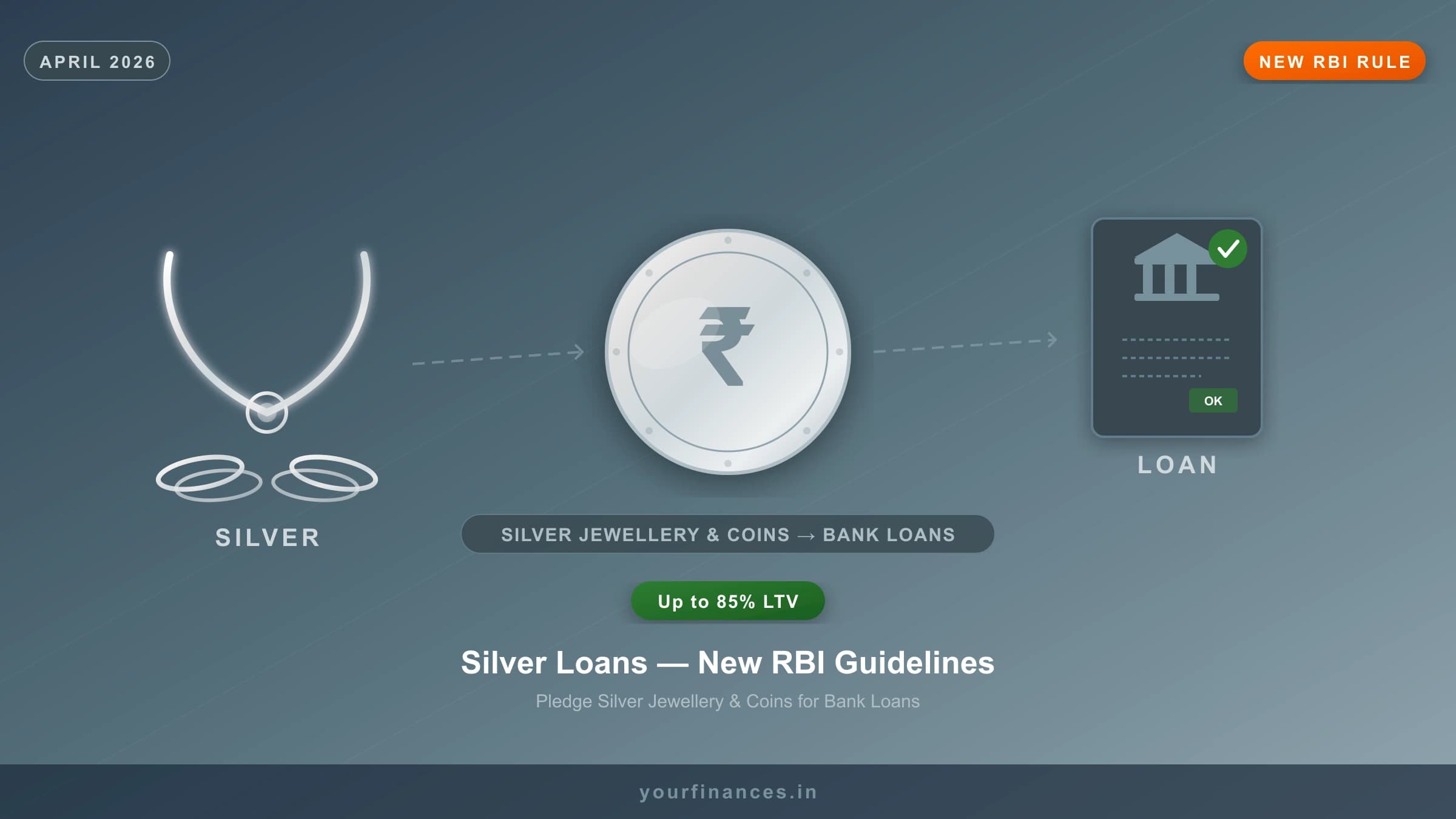
Silver Loans Are Now Legal in India — Here’s How to Get One
From April 1, the RBI allows banks and NBFCs to give loans against your silver jewelry and coins. Up to 85% LTV, 10kg silver limit, and strict borrower protections. Here’s everything you need to know.