LPG Price Hike ₹60: New City-Wise Rates from March 7
Jaspal Singh
Author
LPG Price Hike: Domestic Cylinder Up ₹60, Commercial Up ₹115
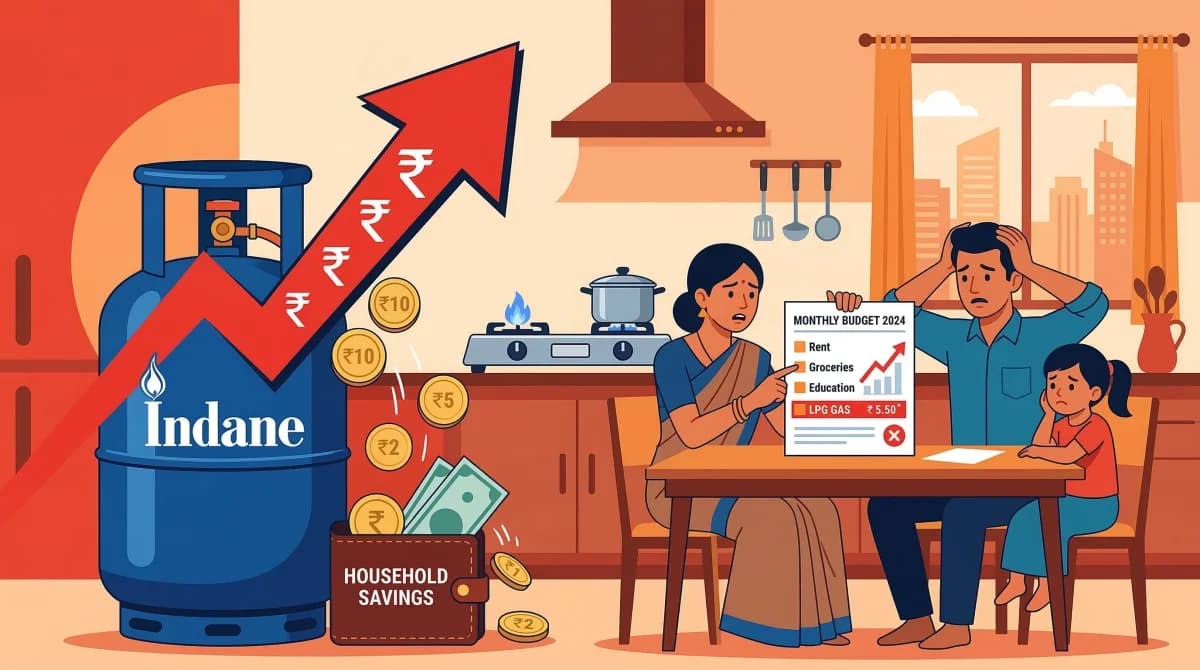
If your monthly kitchen budget just got tighter, there's a reason. Domestic LPG cylinder prices have been hiked by ₹60 across India, effective March 7, 2026. Commercial cylinders used by restaurants and hotels have gone up by approximately ₹115. This is the second domestic LPG price hike in less than a year — the previous increase was ₹50 in April 2025.
Here's everything you need to know about the new rates, why prices went up, and what you can do about it.
New LPG Prices: City-Wise Rates (March 2026)
Domestic LPG Cylinder (14.2 kg)
| City | Old Price | New Price | Increase |
|---|---|---|---|
| Delhi | ₹853.00 | ₹913.00 | +₹60 |
| Mumbai | ₹852.50 | ₹912.50 | +₹60 |
| Kolkata | ₹879.00 | ₹939.00 | +₹60 |
| Chennai | ₹868.50 | ₹928.50 | +₹60 |
Prices vary slightly by city due to local taxes and transportation costs.
Commercial LPG Cylinder (19 kg)
Commercial cylinders — used by restaurants, hotels, canteens, and bakeries — have been hit even harder. In Delhi, the commercial cylinder now costs approximately ₹1,883, up by about ₹115 (a 6.5% jump). Commercial LPG has seen a cumulative rise of over ₹300 so far in 2026.
Why Have LPG Prices Gone Up?
The price hike is driven by a combination of geopolitical and supply factors:
Iran-West Asia War and Hormuz Crisis
The ongoing military conflict in the Iran-West Asia region has disrupted global energy supply chains. The Strait of Hormuz — a narrow waterway through which a significant share of the world's oil and LPG flows — has seen shipping disruptions. This has increased freight and insurance costs dramatically.
India imports roughly 90% of its LPG through routes that pass near the Strait of Hormuz, making us especially vulnerable to these disruptions. For a broader understanding of how the conflict is affecting Indian finances, read our detailed analysis on the Iran war's impact on investors.
Global LPG Price Surge
International LPG prices have spiked due to supply uncertainty, higher shipping costs, and increased risk premiums. Since India imports a large portion of its cooking gas, global price surges translate quickly into domestic retail prices.
How the LPG Crisis Is Affecting India
The impact goes beyond just paying ₹60 extra per cylinder:
- Restaurants and hotels: Nearly 10,000 establishments in Tamil Nadu alone have reported shutdowns or reduced operations. The ₹115 commercial cylinder hike pushes up food costs across the hospitality industry.
- Black market prices: In Delhi-NCR, LPG cylinders on the black market have surged to ₹1,400-₹1,500 — well above the official price.
- Refill cycle extended: The government has extended the LPG refill booking cycle from 21 to 25 days under the Essential Commodities Act, invoked on March 6.
- Food inflation risk: Higher cooking gas costs for restaurants will likely push up eating-out prices, adding to overall food inflation.
Read our in-depth coverage of the India LPG crisis and gas shortage for more details.
What the Government Says
Petroleum Minister Hardeep Singh Puri has assured that there is no shortage of LPG or fuel in India, and that supplies remain stable despite the Middle East crisis. Indian Oil Corporation (IOC) has also clarified that fuel stocks are sufficient.
Key reassurances:
- India has approximately 50 days of strategic oil and petroleum products cover (25 days crude + 25 days products)
- Import sources have been diversified — India now sources from Russia, the US, and other non-Gulf suppliers
- Despite the hike, Indian domestic LPG remains cheaper than in several neighbouring countries
How to Manage Your Cooking Gas Budget
With LPG now crossing ₹900 in most cities, here are some practical tips to stretch your cylinder further:
- Use a pressure cooker: Cooking with a pressure cooker uses up to 70% less gas than open-pot cooking.
- Cover your pots: A simple lid on the pot can reduce gas consumption by 25-30%.
- Soak lentils and beans: Pre-soaking dals and rajma overnight cuts cooking time significantly.
- Maintain your burner: Clean burner nozzles regularly. A yellow flame (instead of blue) means gas is being wasted.
- Use the right flame: Keep the flame at medium — a flame that extends beyond the pot base wastes gas.
- Consider induction cooking: For items like boiling water, milk, or making tea, an induction cooktop is cheaper per use than LPG. Check our guide on best induction cooktops.
Annual Impact on Your Household Budget
Most Indian households use approximately 8-10 LPG cylinders per year. Here's what the ₹60 hike means annually:
| Cylinders/Year | Extra Annual Cost |
|---|---|
| 8 cylinders | ₹480 more per year |
| 10 cylinders | ₹600 more per year |
| 12 cylinders | ₹720 more per year |
While ₹480-720 per year may not sound like a lot, remember that this adds up alongside other rising costs. Use our EMI calculator to review your overall monthly budget if you're managing loan repayments alongside these rising household costs.
What's Next?
If the Iran-West Asia conflict escalates further, additional hikes in LPG, petrol, and diesel cannot be ruled out. The government has so far resisted raising petrol and diesel prices, but LPG — where subsidies have been rolled back significantly — is more directly linked to global prices.
For now, the best you can do is budget for higher gas costs and adopt gas-saving cooking habits. The situation in the Strait of Hormuz is expected to remain uncertain for at least another month, according to JM Financial analysts.
Disclaimer: This article is for educational purposes only and does not constitute financial advice. Prices mentioned are as of March 7, 2026 and may vary by location. Please check with your local LPG distributor for exact rates.
Written by
Jaspal Singh
Founder & Editor
Personal finance writer helping Indians make smarter money decisions through clear, jargon-free guides on taxes, investments, and budgeting.
Continue Reading

Gold, Silver Import Duty Raised to 15%: What It Means for Prices, Rupee, and India's Trade Balance
India has raised import duty on gold and silver to 15% from 6%. Here is what the move means for bullion demand, trade deficit, forex reserves, and everyday buyers.
Your Take-Home Salary Just Got Cut — Here’s Why
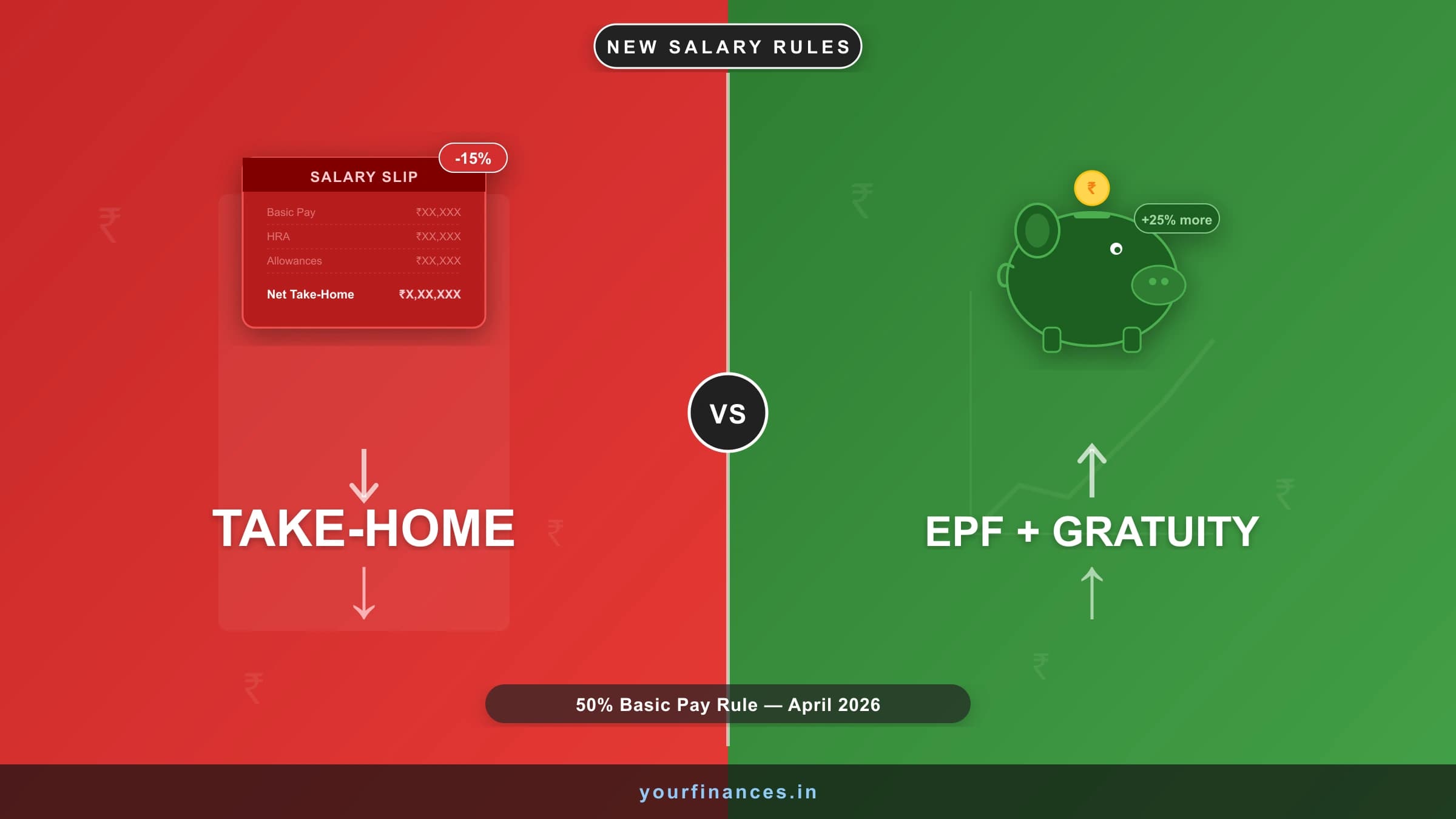
From April 2026, your basic pay must be at least 50% of your CTC. That means lower take-home pay but significantly higher EPF and gratuity. Here’s what changed and what it means for your wallet.
Silver Loans Are Now Legal in India — Here’s How to Get One
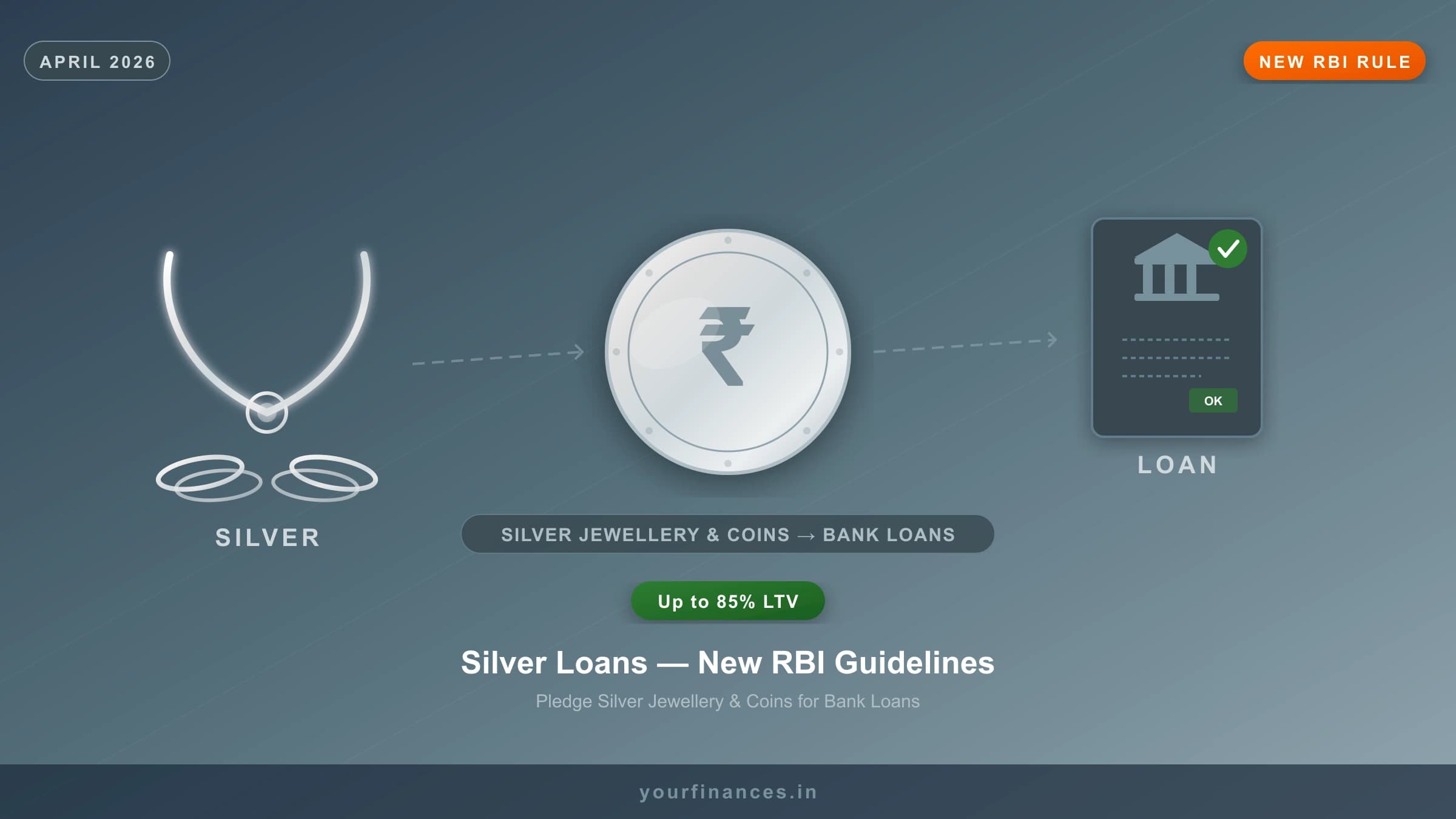
From April 1, the RBI allows banks and NBFCs to give loans against your silver jewelry and coins. Up to 85% LTV, 10kg silver limit, and strict borrower protections. Here’s everything you need to know.