Iran War Hits Indian Markets: ₹23 Lakh Crore Lost — What Investors Should Do
Jaspal Singh
Author
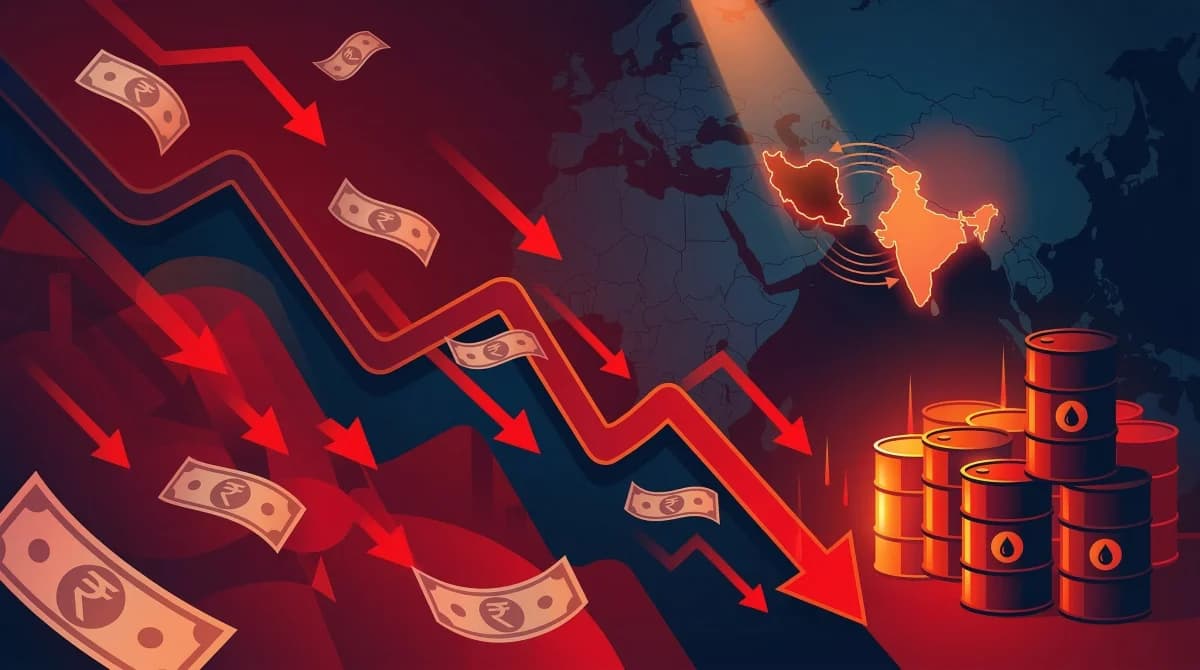
Indian Stock Markets Lose ₹23 Lakh Crore to Iran Conflict
The escalating US-Iran war has sent shockwaves through global markets, and Indian investors are paying a heavy price. Since the conflict intensified in late February 2026, the Nifty 50 has fallen about 7%, wiping out approximately ₹23 lakh crore in market capitalization.
Today (March 13), the Sensex is trading around 75,126 (-1.19%) and Nifty at 23,322 (-1.34%). Foreign Portfolio Investors (FPIs) sold Indian equities worth ₹22,630 crore in just the last four sessions. So what's happening, and more importantly — what should you do with your investments?
Why Is the Iran War Hurting Indian Markets?
1. Oil Prices Have Crossed $100
This is the big one. India imports 85% of its crude oil, and about half of that transits through the Strait of Hormuz — the narrow waterway between Iran and Oman that's now become a war zone. With Brent Crude above $100 per barrel, India faces an additional $57.4 billion in annual import costs.
Higher oil means higher petrol prices (currently ₹103.54), higher diesel prices (₹90.03), and higher costs for literally everything — from transport to packaging to food production.
2. Rupee Under Pressure
The Indian rupee is trading around ₹92.33 per dollar, weakened by FPI outflows and the widening trade deficit. A weaker rupee makes oil imports even more expensive, creating a vicious cycle.
3. FPIs Are Pulling Out Money
Foreign investors don't like uncertainty. With geopolitical risk high and US Treasury yields attractive, FPIs are shifting money from emerging markets like India to safer assets. They're unlikely to return as buyers until there's clarity on how the conflict unfolds.
4. Inflation Risk Is Rising
Higher oil + weaker rupee = higher inflation. The RBI may be forced to delay interest rate cuts or even consider hikes, which would further dampen market sentiment and slow economic growth.
Which Sectors Are Winning and Losing?
| Winners | Why |
|---|---|
| Defence (HAL, Bharat Dynamics, BEL) | Emergency procurement surge of ~₹80,000 Cr |
| Oil & Gas Upstream (ONGC) | Higher crude prices benefit producers |
| Pharma | Defensive sector, stable demand regardless of war |
| FMCG | Essential goods demand stays strong |
| Losers | Why |
|---|---|
| Aviation (IndiGo, SpiceJet) | Fuel costs are 40% of operating expenses |
| Auto (Maruti, M&M) | Higher input costs, weaker consumer sentiment |
| Paints (Asian Paints) | Crude-based raw materials getting expensive |
| IT (TCS, Infosys) | Global recession fears hitting US tech spending |
| Metals (Hindalco, Tata Steel) | Global demand uncertainty |
What Should Indian Investors Do?
1. Don't Panic — History Shows Markets Recover
Here's something important: markets typically fall during the "uncertainty phase" before and during the early days of a conflict. But once the situation becomes clearer — even if it's bad — markets tend to recover. This is called the "War Puzzle" by researchers. The Gulf War (1990-91), Iraq War (2003), and even the Russia-Ukraine conflict followed this pattern.
2. Continue Your SIPs
If you're investing through SIPs in mutual funds, do NOT stop them. Market dips are when your SIP buys more units at lower prices — this is called rupee cost averaging, and it works beautifully over time. Use our SIP Calculator to see how your investments grow through market cycles.
3. Consider Staggered Buying
If you have cash to deploy, don't invest everything at once. Spread your buying over 3-6 months. This way, you average out the volatility. Focus on quality large-cap stocks and index funds rather than speculative bets.
4. Avoid Selling at a Loss
The worst thing you can do is sell quality stocks at the bottom. If you own fundamentally strong companies with good earnings and low debt, hold on. The market will recover — the question is when, not if.
5. Rebalance If Needed
If your equity allocation has dropped significantly because of the crash, this might be a good time to rebalance by adding more equity. For example, if your target was 60% equity / 30% debt / 10% gold, and equity has now fallen to 50%, consider topping up.
How Long Could This Last?
That depends on the conflict. If the Strait of Hormuz reopens and oil prices cool below $90, markets could recover quickly. But if the war escalates or oil stays above $100 for an extended period, we're looking at a prolonged correction.
From a 2-3 year perspective, financial experts see this as a potential buying opportunity in quality stocks. India's structural growth story — rising incomes, digital adoption, manufacturing expansion — hasn't changed because of a war in the Middle East.
Check our EMI Calculator if rising interest rates affect your loan repayments, or use the Tax Calculator to plan your tax-saving investments in this volatile market.
Disclaimer: This article is for educational purposes only and does not constitute financial advice. Stock markets are subject to risk. Past performance does not guarantee future returns. Please consult a SEBI-registered financial advisor before making investment decisions.
Written by
Jaspal Singh
Founder & Editor
Personal finance writer helping Indians make smarter money decisions through clear, jargon-free guides on taxes, investments, and budgeting.
Continue Reading

Gold, Silver Import Duty Raised to 15%: What It Means for Prices, Rupee, and India's Trade Balance
India has raised import duty on gold and silver to 15% from 6%. Here is what the move means for bullion demand, trade deficit, forex reserves, and everyday buyers.
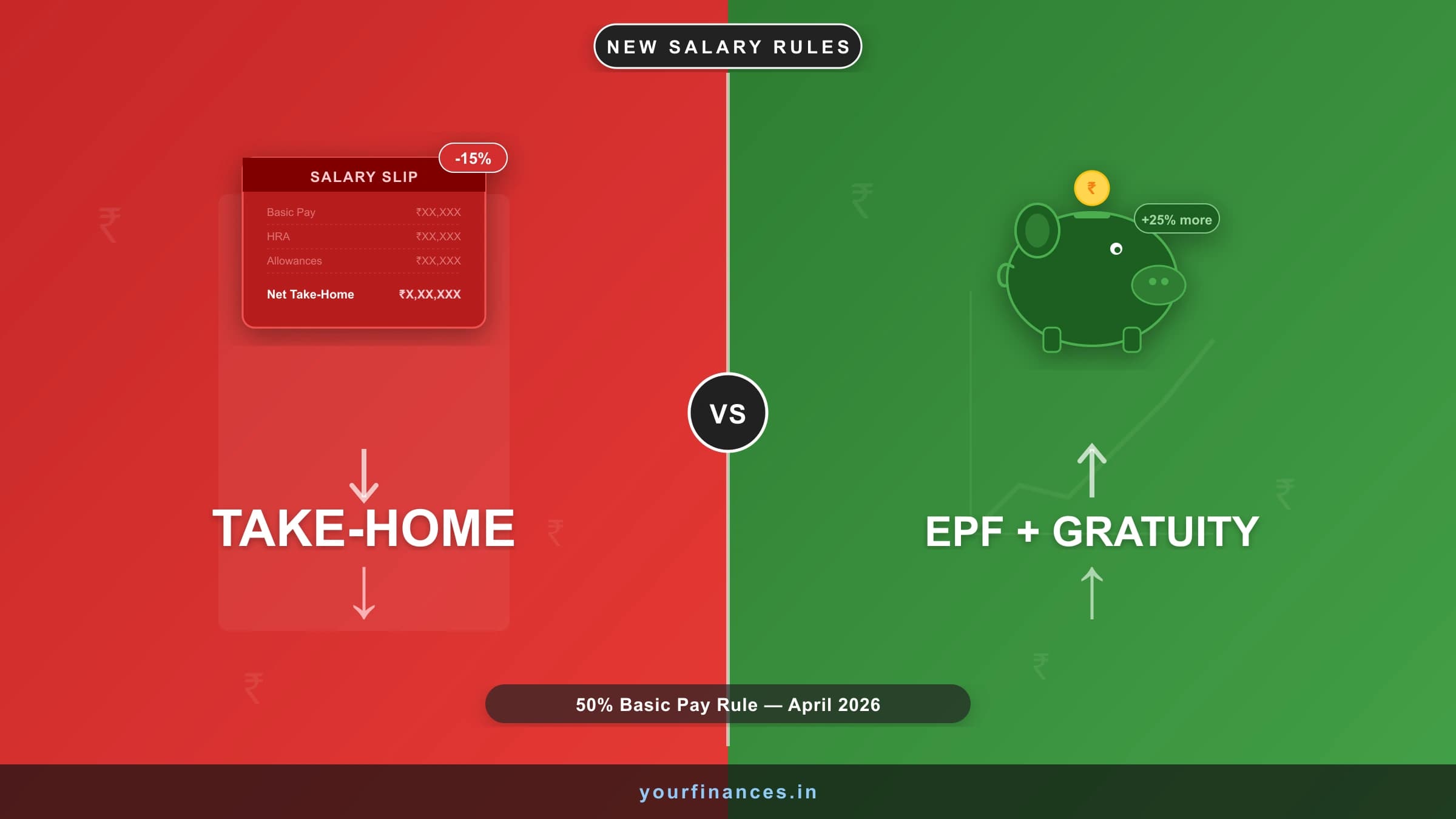
Your Take-Home Salary Just Got Cut — Here’s Why
From April 2026, your basic pay must be at least 50% of your CTC. That means lower take-home pay but significantly higher EPF and gratuity. Here’s what changed and what it means for your wallet.
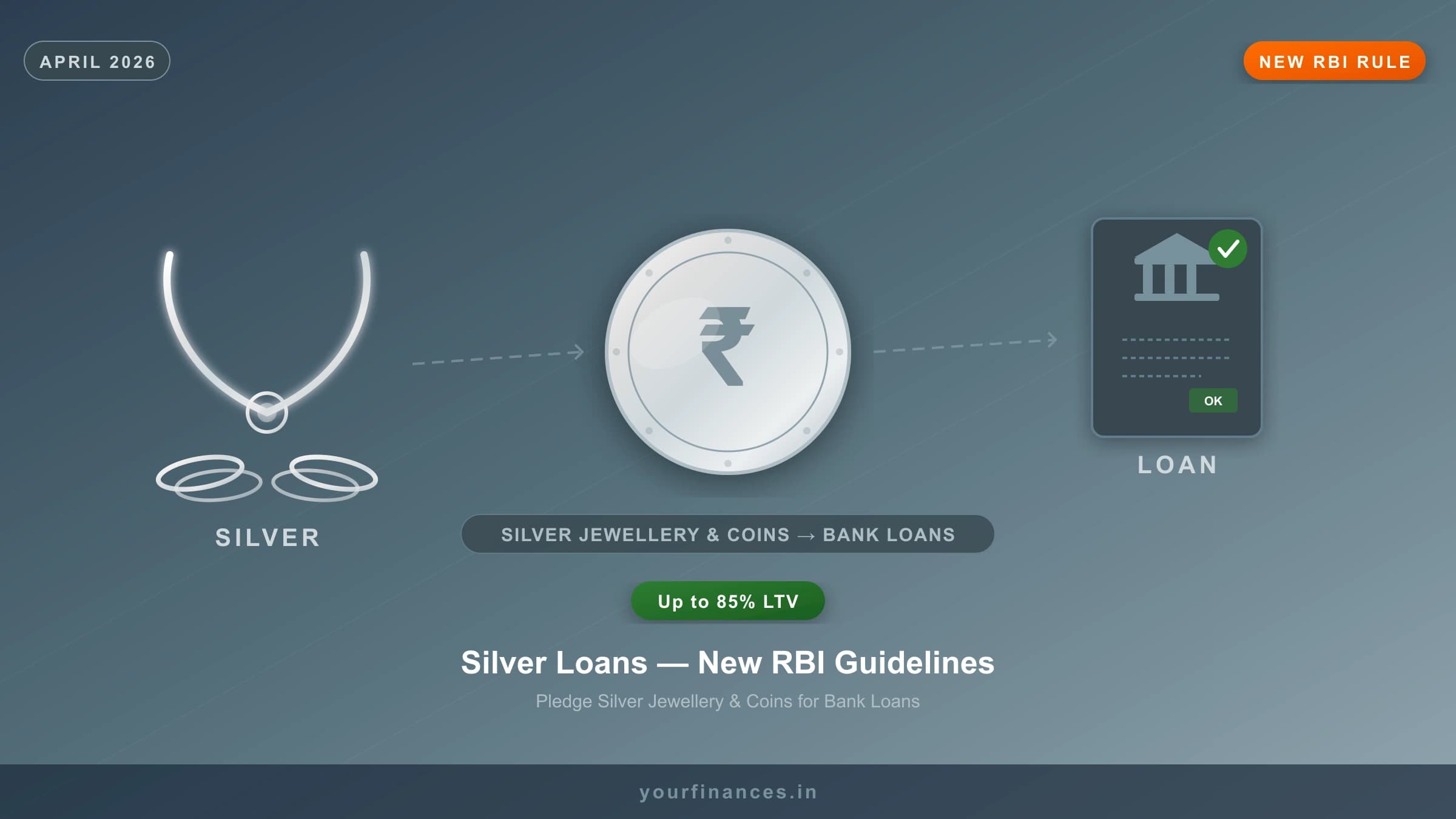
Silver Loans Are Now Legal in India — Here’s How to Get One
From April 1, the RBI allows banks and NBFCs to give loans against your silver jewelry and coins. Up to 85% LTV, 10kg silver limit, and strict borrower protections. Here’s everything you need to know.