Iran Strikes Expand to Saudi, Kuwait, Qatar — Oil Chaos Escalates
Jaspal Singh
Author
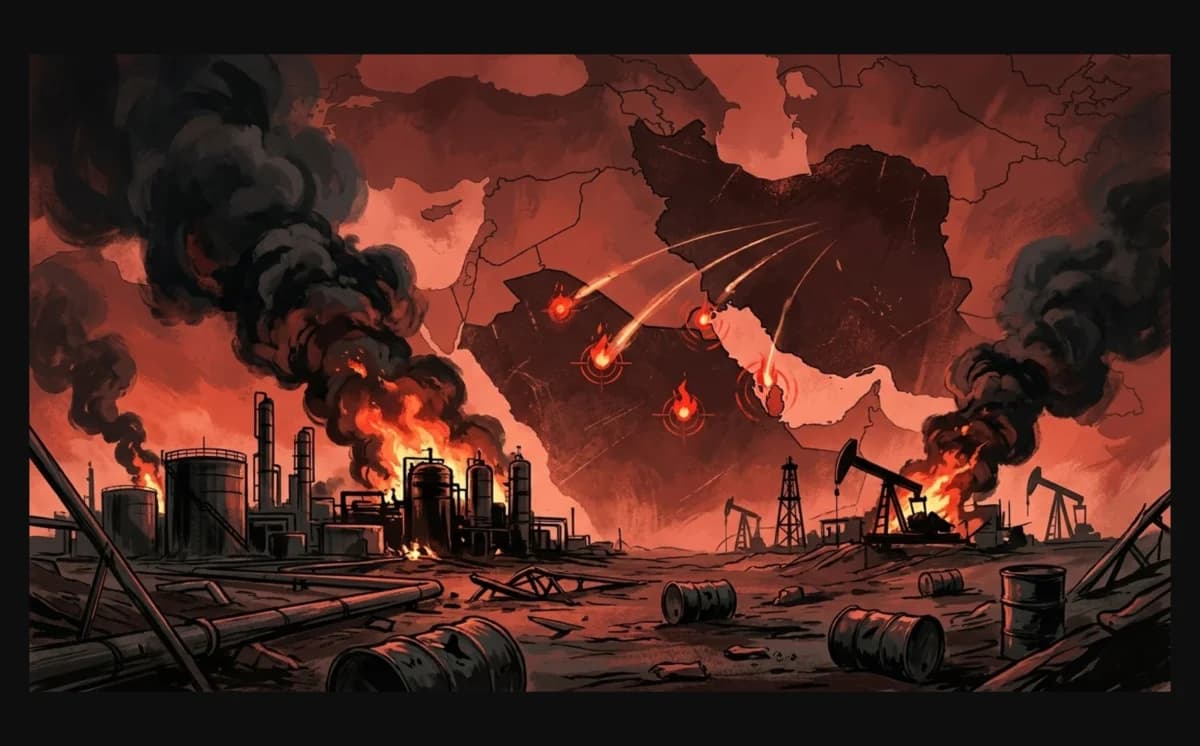
The Middle East Oil War Just Got Much Worse
What started as an Iran-Israel military confrontation has now spilled over into the heart of the global oil market. After Israel and the US launched strikes on Iran's South Pars gas field — the world's largest natural gas field — Iran retaliated not just against Israel, but against Gulf Arab states it accuses of enabling the attacks.
In the past 48 hours, Iran has struck five major oil and gas facilities across Saudi Arabia, Kuwait, and Qatar. Brent crude is now above $111 per barrel, and the global energy market is in chaos.
What Exactly Was Hit?
| Target | Country | Damage Reported | Global Impact |
|---|---|---|---|
| Red Sea Refinery | Saudi Arabia | Partial damage, operations disrupted | Saudi exports temporarily reduced |
| Ras Laffan LNG Hub | Qatar | "Extensive damage" | Global LNG supply disruption |
| Oil Refinery #1 | Kuwait | Fire reported, containment ongoing | Kuwait output reduced |
| Oil Refinery #2 | Kuwait | Moderate damage | Kuwait output reduced |
| South Pars Gas Field | Iran (hit by Israel) | Significant damage to infrastructure | Iran's gas exports affected |
The Qatar Ras Laffan strike is especially alarming. Ras Laffan is one of the world's largest LNG export facilities, supplying natural gas to Europe, Japan, South Korea, and India. "Extensive damage" could mean weeks or months of reduced LNG supply globally.
Why Did Iran Attack Gulf States?
Iran has accused Saudi Arabia, Kuwait, and Qatar of:
- Providing airspace access to Israeli/US aircraft that struck South Pars
- Sharing intelligence with the US-Israel coalition
- Hosting US military bases used in the operations
Whether these accusations are justified or not, the attacks have effectively turned a bilateral Israel-Iran conflict into a regional oil war.
De-escalation Signals: Real or Tactical?
Despite the strikes, there are some cautiously hopeful signs:
- Israeli PM Netanyahu stated that Israel "will not strike Iranian oil and gas facilities again" and that the war "could end sooner than people think"
- US Treasury Secretary Bessent suggested the US may lift sanctions on Iranian crude tankers as a diplomatic gesture
- Discussions about reopening the Strait of Hormuz (which Iran partially blocked) are underway
- Oil prices dipped slightly from $113 to $111 on these de-escalation signals before the fresh strikes pushed them back up
However, until an actual ceasefire is agreed upon, these signals remain just words.
What This Means for India
India's Oil Vulnerability
India imports over 80% of its crude oil. A significant portion comes from Gulf countries — Saudi Arabia, Iraq, Kuwait, and the UAE. Any sustained disruption in Gulf oil supply is a direct threat to India's economy.
The Price Impact
| Metric | Before Conflict (Feb 27) | Now (March 20) | Impact |
|---|---|---|---|
| Brent Crude | $82/barrel | $111/barrel | +35% |
| LPG Price (domestic) | ₹803/cylinder | ₹863/cylinder | ₹60 hike on March 7 |
| Petrol (Delhi) | ₹94.72/litre | ₹94.72 (unchanged so far) | Hike expected soon |
| India Inflation | 4.3% | Expected 5.5-6% | +1.2-1.7% |
Every $10 per barrel increase in crude oil adds approximately 0.4% to India's inflation. With oil up $29 per barrel since the conflict started, we could see inflation rise by over 1% in the coming months.
LPG Cylinder Prices May Rise Again
The government already hiked LPG prices by ₹60 on March 7. If crude stays above $110, another hike of ₹40-60 is likely in April. For a typical Indian household that uses one cylinder per month, this is an additional burden of ₹100-120 per month.
India's Strategic Petroleum Reserves
India's strategic petroleum reserves cover only about 10 days of consumption — far less than the 90-day cover recommended by the International Energy Agency. Countries like the US, Japan, and China have reserves covering 30-90+ days.
What Can India Do?
- Cut fuel excise duty: The government can reduce excise duty on petrol and diesel to cushion consumers. During the 2022 oil spike, the centre cut excise by ₹8 per litre
- Tap strategic reserves: Release emergency oil stockpiles to maintain supply
- Diversify to Russian oil: India has been buying discounted Russian crude since 2022. This channel becomes even more important now
- Diplomatic push: India has good relations with both Iran and Israel. PM Modi could play a mediator role
- Fast-track renewable energy: Every oil crisis is a reminder that India needs to accelerate its solar and wind energy push
What Should Indians Do to Prepare?
Budget for Higher Fuel Costs
If you drive regularly, expect your monthly fuel bill to go up by ₹1,000-2,000 if petrol prices are hiked. Factor this into your monthly budget. If you are considering a CNG or electric vehicle, the economics have never looked better.
Lock In FD Rates
If inflation rises, the RBI may be forced to hike interest rates — but before that happens, FD rates might actually fall first as banks adjust. Consider locking in current FD rates using our FD Calculator to compare options.
Keep SIPs Running
Oil crises create market volatility, but they do not last forever. The 2022 Russia-Ukraine oil shock also seemed catastrophic, but markets recovered within months. Your SIP investments benefit from buying units at lower prices during such periods.
Watch Gold
Gold has historically been a strong performer during oil crises and geopolitical conflicts. Gold is already at record highs, but further upside is possible if the conflict drags on.
What to Watch Next
- Strait of Hormuz status: If Iran fully blocks this chokepoint, global oil prices could spike to $130+
- US military response: Any direct US involvement would escalate the conflict dramatically
- OPEC emergency meeting: Saudi Arabia may call an emergency OPEC meeting to coordinate supply responses
- India's fuel price revision: Oil marketing companies are due for a price review
The situation remains extremely fluid. As Indians, our best response is to budget for higher costs, stay invested for the long term, and hope for a swift diplomatic resolution.
Related Reading
- Stock Market Crash: Why Sensex Tanked 1,800 Points
- FPIs Pull Out ₹77,000 Crore — Should You Worry?
- US Fed Rate Decision — Impact on Indian Investors
- Gold at Record Highs — Should You Invest?
Disclaimer: This article is for informational purposes only and does not constitute financial advice. Geopolitical situations are unpredictable and may change rapidly. Please consult a SEBI-registered financial advisor before making any investment decisions.
Written by
Jaspal Singh
Founder & Editor
Personal finance writer helping Indians make smarter money decisions through clear, jargon-free guides on taxes, investments, and budgeting.
Continue Reading

Gold, Silver Import Duty Raised to 15%: What It Means for Prices, Rupee, and India's Trade Balance
India has raised import duty on gold and silver to 15% from 6%. Here is what the move means for bullion demand, trade deficit, forex reserves, and everyday buyers.
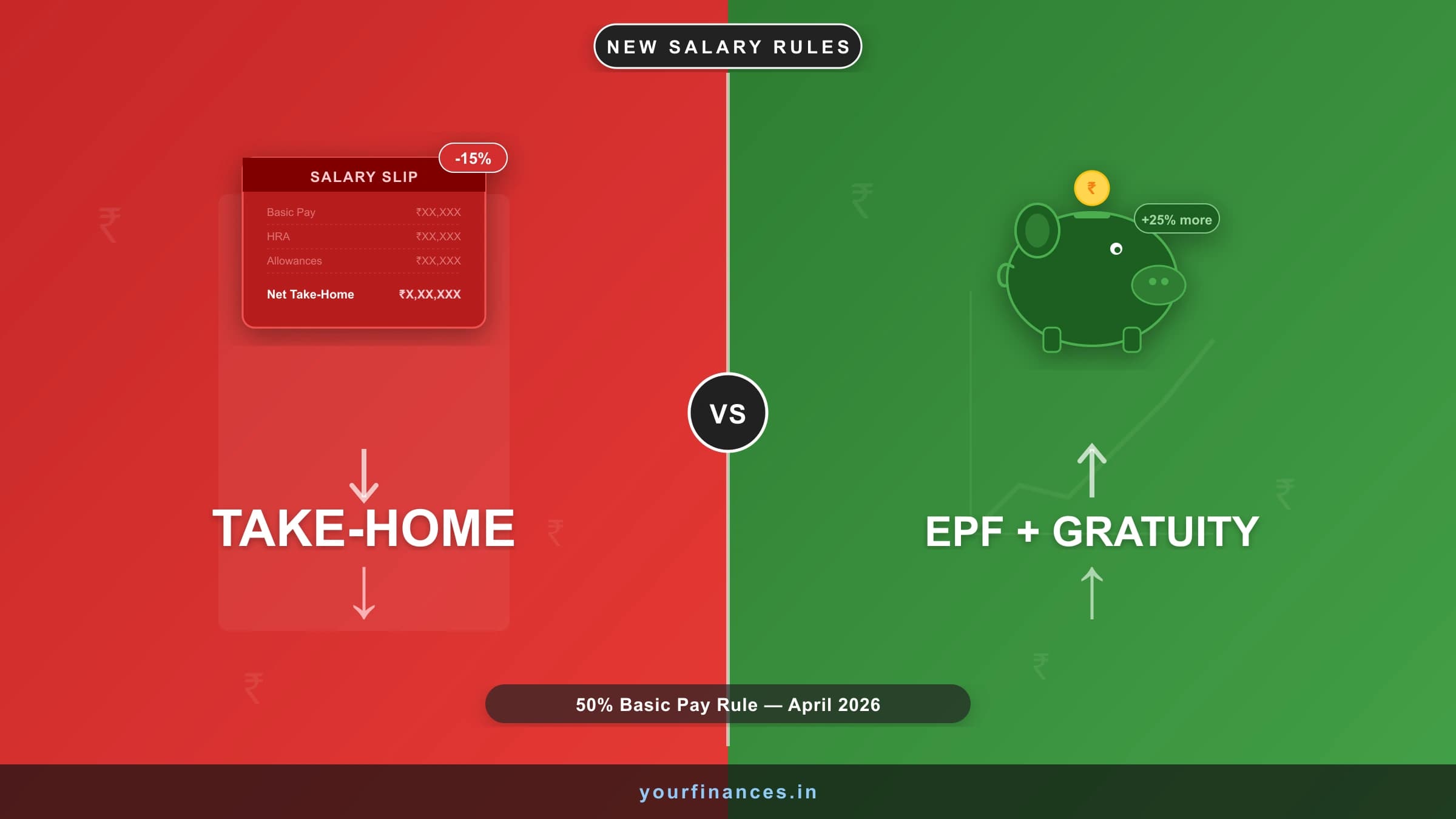
Your Take-Home Salary Just Got Cut — Here’s Why
From April 2026, your basic pay must be at least 50% of your CTC. That means lower take-home pay but significantly higher EPF and gratuity. Here’s what changed and what it means for your wallet.
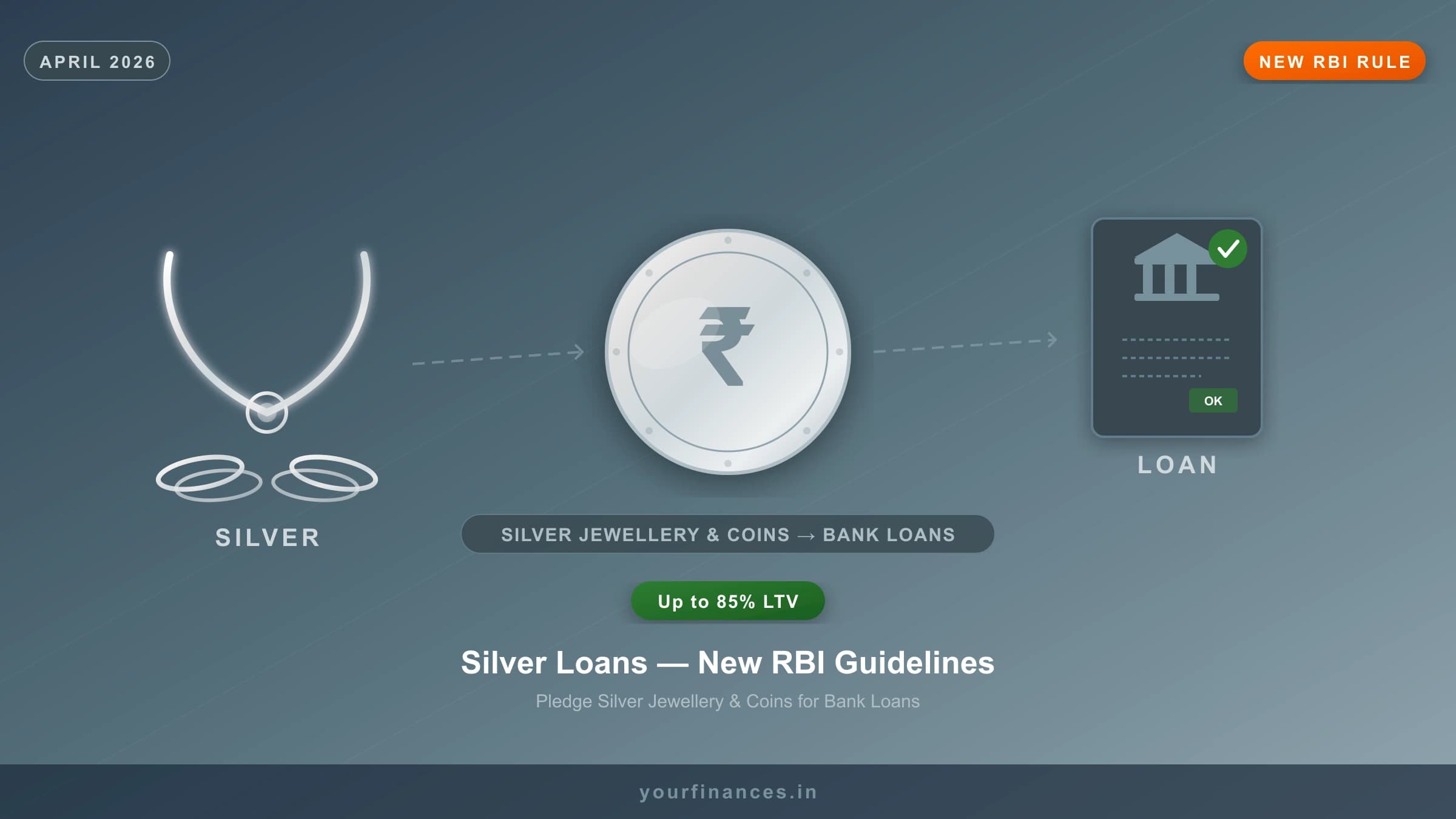
Silver Loans Are Now Legal in India — Here’s How to Get One
From April 1, the RBI allows banks and NBFCs to give loans against your silver jewelry and coins. Up to 85% LTV, 10kg silver limit, and strict borrower protections. Here’s everything you need to know.