How to Get Out of Debt: The Snowball vs Avalanche Method Explained
Jaspal Singh
Author
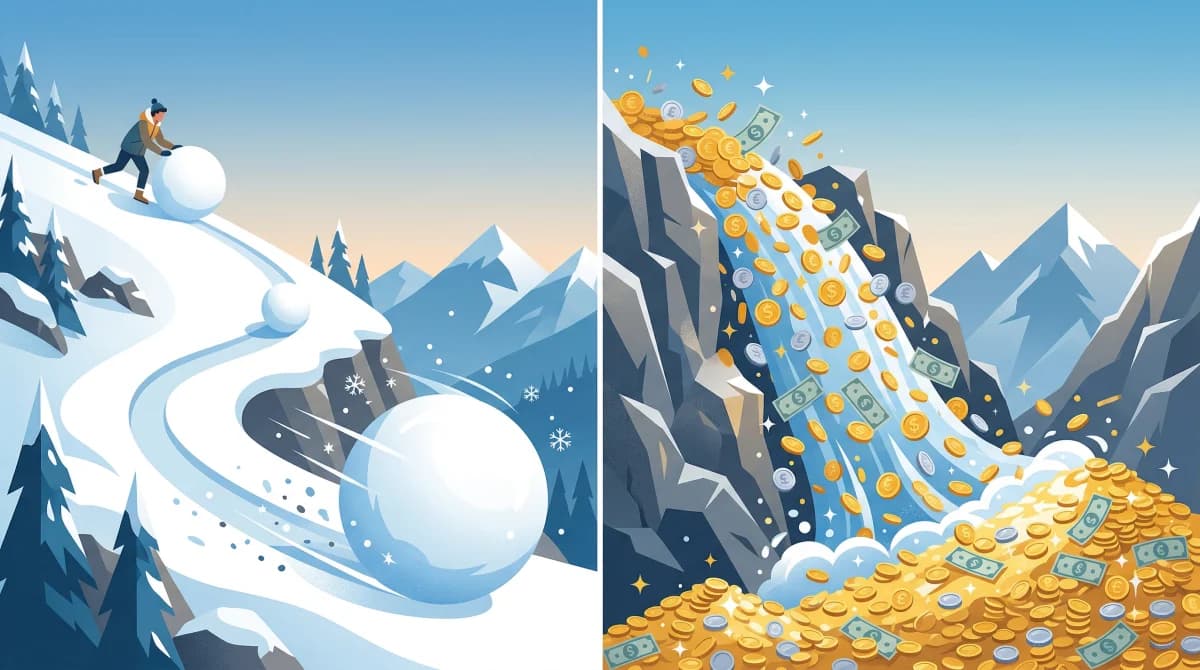
You Can Get Out of Debt. Here's How.
If you have multiple loans and credit card balances, paying them off can feel impossible. Every month, you make minimum payments everywhere, and the total barely seems to shrink.
The problem isn't that you're not trying hard enough. The problem is you don't have a strategy. You're fighting on five fronts at once, and winning on none.
Two battle-tested methods can change that: the Debt Snowball and the Debt Avalanche. Let's see how each works.
The Setup: Your Debt Situation
Let's use a realistic Indian example. Say you have these debts:
| Debt | Balance | Interest Rate | Min. Payment |
|---|---|---|---|
| BNPL (Simpl/LazyPay) | ₹15,000 | 24% | ₹2,500 |
| Credit Card | ₹80,000 | 36% | ₹4,000 |
| Personal Loan | ₹2,50,000 | 14% | ₹6,200 |
| Car Loan | ₹4,00,000 | 9% | ₹8,500 |
Total debt: ₹7,45,000 | Total minimum payments: ₹21,200/month
Now, let's say you can afford to pay ₹30,000 per month total. That gives you ₹8,800 extra (above minimums) to throw at one debt.
Method 1: The Debt Snowball
Strategy: Pay off the smallest balance first, regardless of interest rate.
Order of attack:
- BNPL (₹15,000) — Paid off in ~2 months with the extra ₹8,800
- Credit Card (₹80,000) — Now you have ₹11,300 extra (₹8,800 + ₹2,500 freed from BNPL). Paid off in ~7 months
- Personal Loan (₹2,50,000) — Now ₹15,300 extra. Paid off in ~16 months
- Car Loan (₹4,00,000) — All ₹21,500 extra. Paid off in ~18 months
Total time: ~43 months
Why It Works
The quick win of killing the BNPL debt in 2 months gives you motivation. You see progress immediately. Research from Harvard Business Review shows that people who pay off small debts first are more likely to become completely debt-free — because the psychological wins keep them going.
The Downside
You're paying the 36% credit card after the 24% BNPL. Mathematically, this costs you more in total interest.
Method 2: The Debt Avalanche
Strategy: Pay off the highest interest rate first, regardless of balance.
Order of attack:
- Credit Card (₹80,000 at 36%) — Put all extra ₹8,800 here. Paid off in ~9 months
- BNPL (₹15,000 at 24%) — Now ₹12,800 extra. Paid off in ~1 month
- Personal Loan (₹2,50,000 at 14%) — Now ₹15,300 extra. Paid off in ~16 months
- Car Loan (₹4,00,000 at 9%) — All ₹21,500 extra. Paid off in ~18 months
Total time: ~44 months (similar time, but ₹18,000-₹25,000 less in total interest)
Why It Works
By killing the 36% credit card debt first, you stop the biggest money drain. Every month that credit card exists, it eats ₹2,400 in interest alone. The avalanche method is the mathematically optimal approach.
The Downside
It takes 9 months before your first debt is fully paid off. For some people, that long wait without a "win" makes them lose motivation and give up.
Which Method Should You Choose?
| Choose Snowball If... | Choose Avalanche If... |
|---|---|
| You need motivation and quick wins | You're disciplined and number-driven |
| You've tried to pay off debt before and quit | The interest rate differences are large (20%+) |
| Your smallest debt is much smaller than others | You can stay committed without seeing quick progress |
| Emotional relief matters more than ₹20K savings | Saving maximum money is your top priority |
Honestly? The best method is the one you'll actually stick with. A "suboptimal" snowball that you follow through on beats a "perfect" avalanche that you quit after 4 months.
The Hybrid Approach (Our Recommendation)
Here's what we suggest for most Indians with multiple debts:
- Kill any debt under ₹20,000 first (quick win, snowball-style)
- Then switch to highest-interest-first (avalanche for the big ones)
- Never pay just the minimum on credit cards — even ₹500 extra helps
- Consider consolidation if you have 3+ debts — read our consolidation guide
5 Rules for Staying Debt-Free After
- Build a ₹50,000-₹1 lakh emergency fund before anything else — this prevents new debt from emergencies
- Use credit cards only for what you can pay in full each month
- Delete BNPL apps — they're designed to make you spend money you don't have
- Follow the 50/30/20 rule: 50% needs, 30% wants, 20% savings/debt repayment
- Start SIPs once you're debt-free — redirect your old EMI money into mutual funds. Use our SIP Calculator
Disclaimer: This article is for educational purposes only and does not constitute financial advice. The examples are simplified illustrations — your actual situation may differ. Please consult a qualified financial advisor for personalized debt management advice.
Written by
Jaspal Singh
Founder & Editor
Personal finance writer helping Indians make smarter money decisions through clear, jargon-free guides on taxes, investments, and budgeting.
Continue Reading
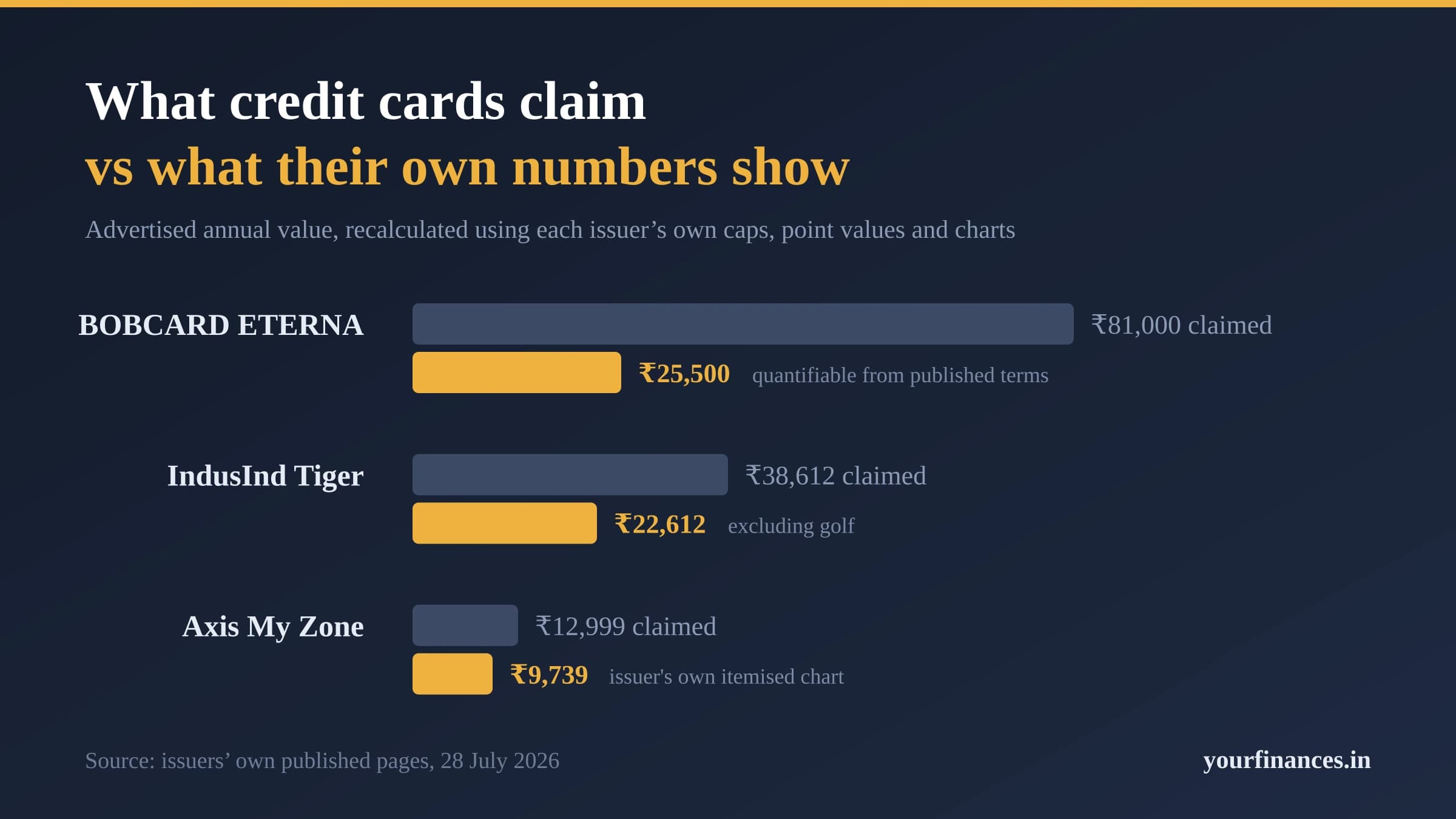
What Indian Credit Cards Claim vs What Their Own Numbers Show
An original study of eight Indian credit cards from seven issuers, using only figures each bank publishes itself. The illustrations consistently sit just inside caps the headlines never mention.
Personal Loan vs Credit Card Debt: Which Is Worse for Your Money?
Credit cards charge 36-42% interest. Personal loans charge 10-18%. The math is clear — but the real story is more nuanced. Here's the complete comparison.
The BNPL Trap: How "Buy Now Pay Later" Is Creating India's Hidden Debt Crisis
60% of BNPL users spend more than they can afford. Late fees can hit 30-40% interest. Here's how Buy Now Pay Later apps are trapping young Indians in invisible debt.