US Bombs Kharg Island: What It Means for India's Oil and Economy
Jaspal Singh
Author
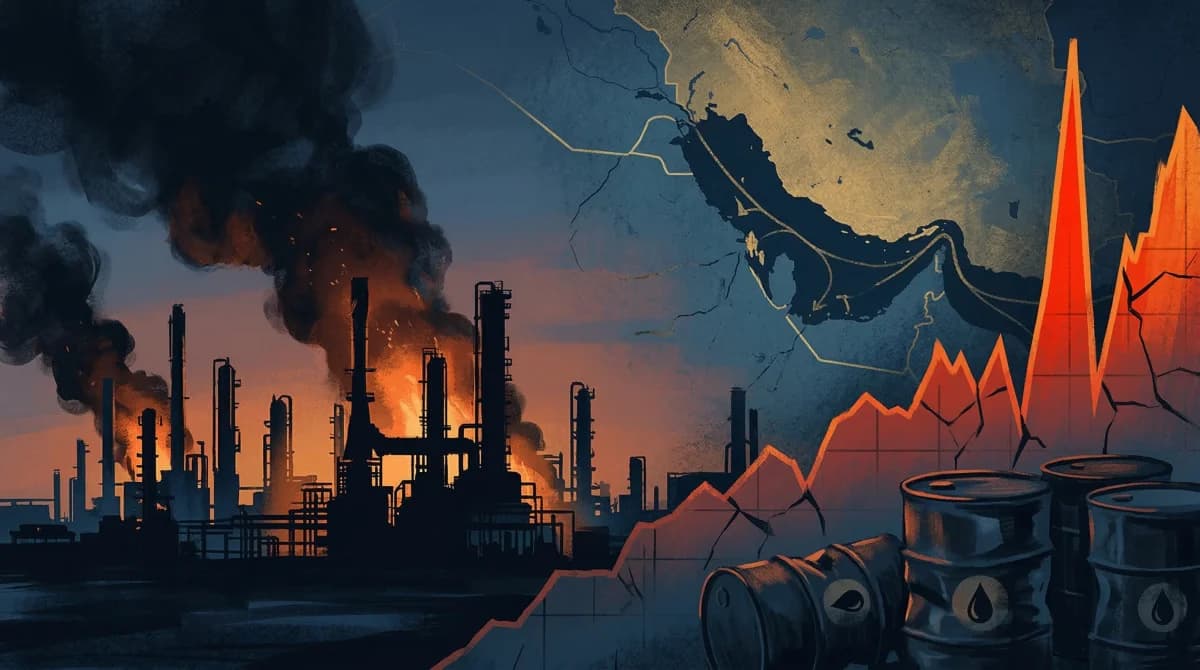
The War Just Hit Iran's Most Important Asset
The US military has bombed Kharg Island — a tiny coral island off Iran's coast that happens to be the most important piece of oil infrastructure in the Middle East. President Trump announced that the US had "totally obliterated" over 90 military targets on the island.
Why should you care? Because Kharg Island handles 90% of Iran's crude oil exports. Any disruption here doesn't just affect Iran — it sends shockwaves through global oil markets and directly hits India's wallet.
What Is Kharg Island?
Kharg Island sits about 25 kilometres off Iran's southwestern coast in the Persian Gulf. Despite being just a small coral outcrop, it houses Iran's largest oil export terminal — the loading point for almost all of the country's crude shipments to the world.
Think of it as Iran's oil ATM. If it stops working, Iran can't sell oil. And if Iran can't sell oil, global supply drops, and prices spike everywhere — including at your local petrol pump.
What Happened?
- March 14: US military struck 90+ military targets on Kharg Island
- Oil infrastructure spared: Trump said the strikes hit military facilities but left the oil terminal intact — for now
- Iran's response: Iran has threatened to strike Gulf oil facilities in retaliation
- Market reaction: Brent crude jumped past $100/barrel — up over 40% since the war began in late February
The key worry: while the oil terminal wasn't hit this time, the message is clear — the US could destroy it. Some analysts are now pricing in a "$200 oil trap" scenario if the Strait of Hormuz is fully closed.
How Does This Affect India?
1. Petrol and Diesel Prices
India imports over 85% of its crude oil. When global oil prices go up, India's import bill surges. So far, oil marketing companies have absorbed some of the increase, but with Brent at $100+, that can't last forever.
Petrol is currently at ₹94.77/litre in Delhi and diesel at ₹87.67/litre. If oil stays above $100 for more than a few weeks, expect retail fuel prices to rise by ₹5-10 per litre.
2. Inflation
Higher oil prices are like a tax on everything. They push up:
- Transportation costs — goods become more expensive to move
- Manufacturing costs — factories pay more for energy
- Food prices — farmers and distributors pass on fuel costs
- Airline fares — fuel surcharges already hitting ₹425-₹2,300 per ticket
Retail inflation already rose to 3.21% in February. If oil stays above $100, economists predict it could climb to 4.1% or higher — making the RBI's job of cutting interest rates much harder.
3. The Rupee
The Indian rupee has already fallen to a record low of ₹92.46 against the dollar. A weaker rupee makes oil imports even more expensive (since oil is priced in dollars), creating a vicious cycle.
Every $10/barrel increase in oil widens India's current account deficit by 0.4-0.5% of GDP. The RBI has been selling dollars from its reserves to defend the rupee, but reserves aren't infinite.
4. Stock Market
The Sensex already crashed 4,300 points last week. If the Kharg Island situation escalates further, expect more volatility. Oil-dependent sectors (auto, aviation, paint, FMCG) are particularly vulnerable.
5. Interest Rates
The RBI had been cutting interest rates through 2025 to boost growth. But rising oil prices and inflation could force the RBI to pause or even reverse rate cuts. This means:
- Home loan EMIs might not fall as expected
- FD rates might hold steady longer (good for savers)
- Business borrowing costs stay elevated
What Should You Do?
Don't Panic, But Be Prepared
Geopolitical crises create uncertainty, but history shows they eventually resolve. Here's practical advice:
For Your Investments
- Continue SIPs: Market dips are buying opportunities for long-term investors. Use our SIP Calculator to see how volatility helps through rupee cost averaging.
- Diversify into gold: Gold is a proven hedge during geopolitical crises. Even the RBI is stockpiling it.
- Lock in FD rates: If the RBI pauses rate cuts, current FD rates of 6-6.6% might actually be the sweet spot.
For Your Budget
- Expect higher fuel costs: Budget for a 10-15% increase in transportation expenses
- Stock up on essentials: Non-perishable groceries may get more expensive in coming weeks
- Postpone non-essential international travel: The weak rupee makes foreign trips 5-7% costlier
What Happens Next?
Three scenarios to watch:
- De-escalation (best case): Ceasefire or diplomatic breakthrough → oil drops below $90 → markets rally, rupee recovers
- Stalemate (likely): Conflict continues but doesn't escalate → oil stays at $100-110 → gradual fuel price hikes, moderate inflation
- Escalation (worst case): Strait of Hormuz fully blocked → oil spikes to $150-200 → severe economic disruption, sharp fuel hikes, potential recession risk
The Bottom Line
The Kharg Island bombing is a significant escalation, but the oil infrastructure was spared — for now. The real risk isn't today's strike; it's what happens next. Iran's threat to retaliate against Gulf oil facilities could trigger the worst-case scenario.
For Indian households, the best strategy is: stay invested, stay diversified, and tighten your budget. The storm will pass, but it may take a few months.
Disclaimer: This article is for informational purposes only and does not constitute financial advice. Geopolitical situations are evolving rapidly. Please consult qualified advisors for investment decisions.
Written by
Jaspal Singh
Founder & Editor
Personal finance writer helping Indians make smarter money decisions through clear, jargon-free guides on taxes, investments, and budgeting.
Continue Reading
Gold, Silver Import Duty Raised to 15%: What It Means for Prices, Rupee, and India's Trade Balance
India has raised import duty on gold and silver to 15% from 6%. Here is what the move means for bullion demand, trade deficit, forex reserves, and everyday buyers.
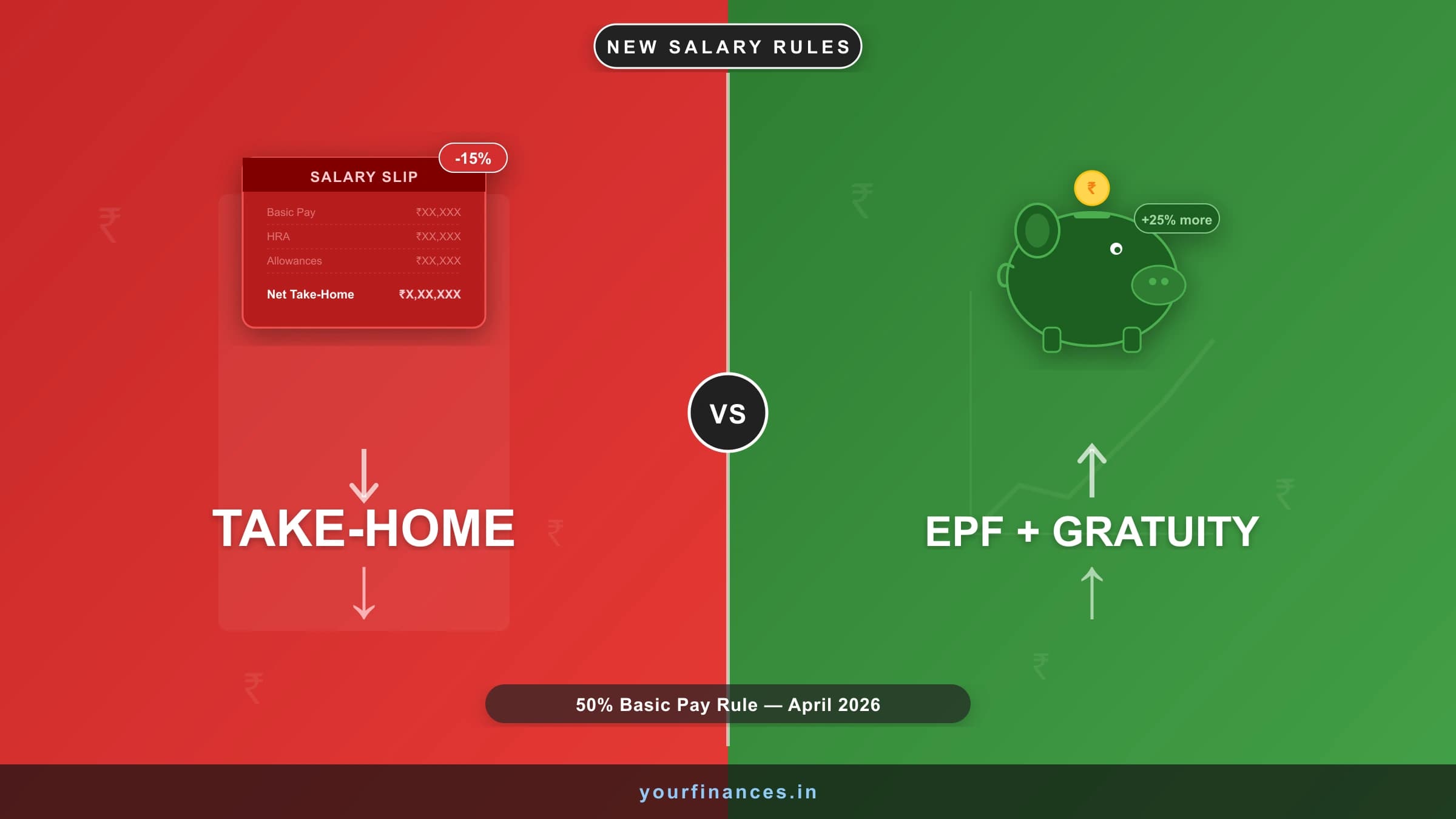
Your Take-Home Salary Just Got Cut — Here’s Why
From April 2026, your basic pay must be at least 50% of your CTC. That means lower take-home pay but significantly higher EPF and gratuity. Here’s what changed and what it means for your wallet.
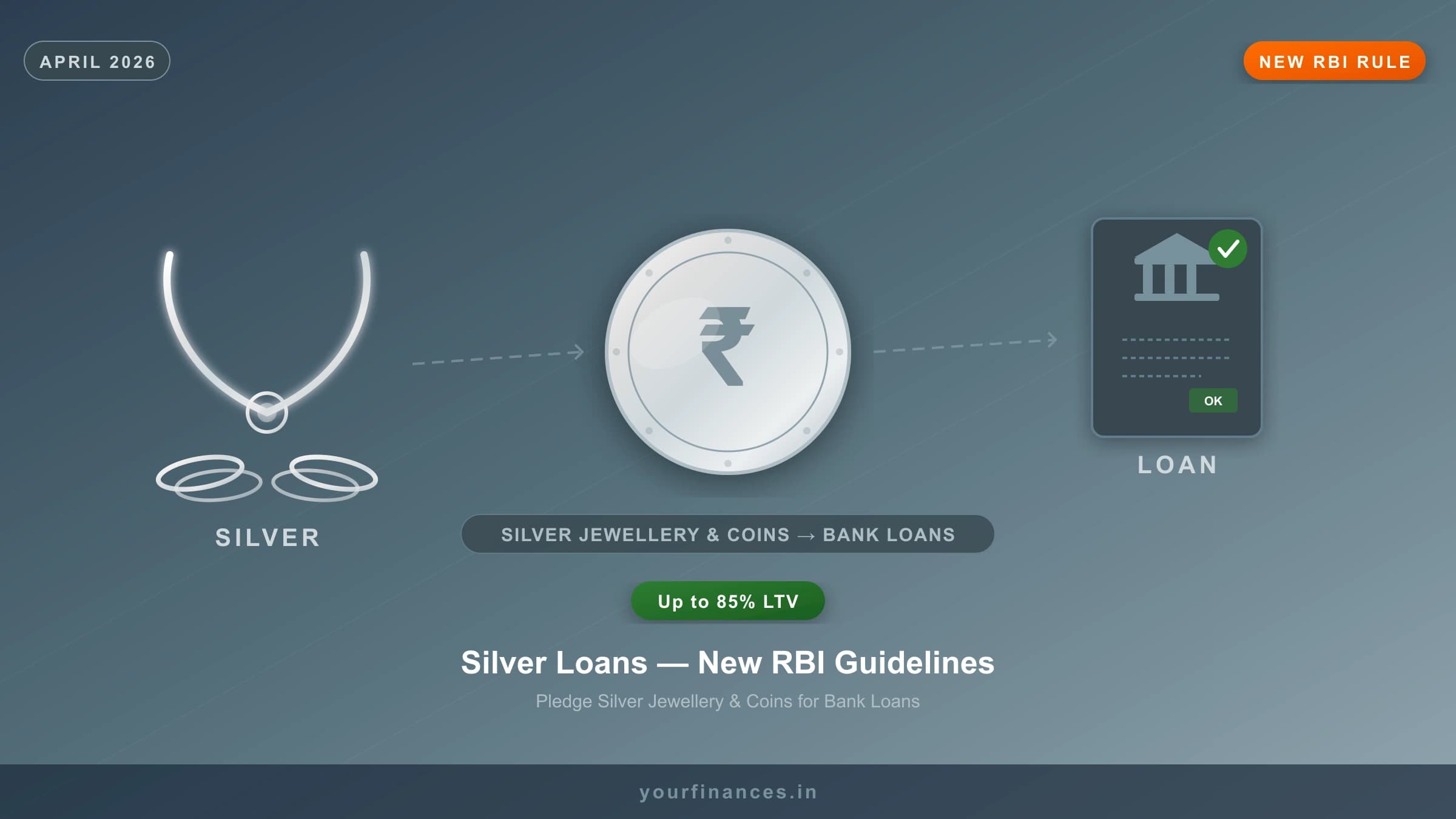
Silver Loans Are Now Legal in India — Here’s How to Get One
From April 1, the RBI allows banks and NBFCs to give loans against your silver jewelry and coins. Up to 85% LTV, 10kg silver limit, and strict borrower protections. Here’s everything you need to know.