Sensex Crashes 1,342 Points — Nifty Hits 11-Month Low as Markets Bleed
Jaspal Singh
Author
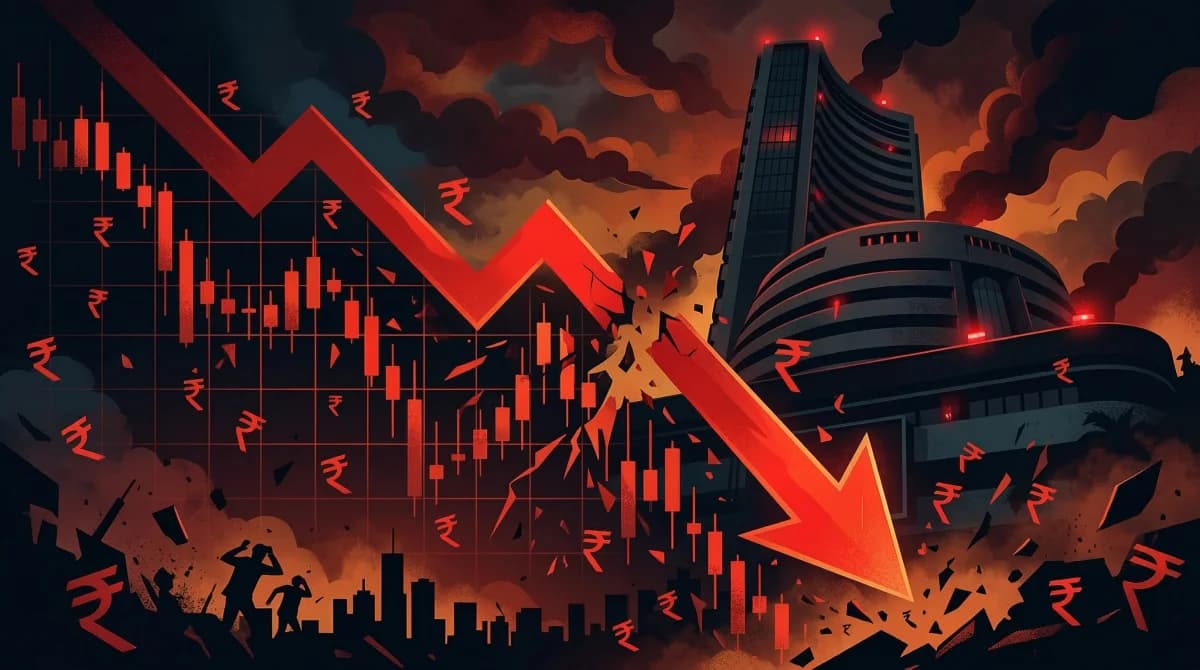
What Happened on the Markets Today?
It was a brutal day on Dalal Street. The BSE Sensex crashed 1,342.27 points (1.72%) while the Nifty 50 dropped 394.75 points to close at 22,866.85 — its lowest level in 11 months.
About 180 stocks hit fresh 52-week lows across the BSE. This wasn't a small correction — it was a full-blown sell-off across almost every sector.
Which Sectors Were Hit the Hardest?
No sector was spared. Here's how the damage played out:
- Auto stocks: Down 2-3% as global demand concerns grew
- FMCG: Consumer goods companies fell sharply on weak rural demand data
- IT stocks: Tech companies slid on fears of US recession hitting outsourcing contracts
- Banks: Both private and PSU banks tumbled on rising NPA worries
Why Did the Market Crash?
Several factors came together to trigger this sharp sell-off:
- West Asia tensions escalating: The Iran conflict is pushing crude oil prices higher, which is terrible for oil-importing nations like India
- Foreign investors pulling out: FIIs (Foreign Institutional Investors) continued their selling spree, dumping Indian equities worth thousands of crores
- Global recession fears: Weak economic data from the US and Europe spooked investors worldwide
- Rupee weakness: The Indian rupee touching new lows against the dollar added to the negative sentiment
What Should You Do as an Investor?
Here's the thing — market crashes feel scary, but they're also when wealth gets created. If your investment horizon is 5 years or more, this is actually a buying opportunity, not a selling signal.
If You Have a SIP Running
Don't stop your SIP. This is exactly when rupee cost averaging works in your favour. You're buying more units at lower prices. Use our SIP Calculator to see how crashes actually improve long-term returns.
If You're Sitting on Cash
Consider deploying it gradually over the next few weeks. Don't put everything in at once — use a staggered approach. Try our Lumpsum Calculator to plan your one-time investment.
If You're Invested in Individual Stocks
Review your portfolio. If the companies you own have strong fundamentals, this dip is temporary. If you're holding speculative bets, this might be a wake-up call to diversify into mutual funds or index funds.
Historical Perspective
Every major crash in Indian market history — 2008, 2020, 2022 — was followed by a strong recovery. The Sensex was at 8,000 during the 2008 crisis. Today, even after this crash, it's above 75,000. Long-term investors who stayed the course made massive returns.
The Bottom Line
A 1,342-point crash sounds terrifying. But in percentage terms, it's a 1.72% fall. The market has recovered from much worse. Stay invested, stay diversified, and don't make emotional decisions.
If you're worried about your portfolio, consider consulting a SEBI-registered financial advisor who can review your asset allocation.
Disclaimer: This article is for educational purposes only and does not constitute financial advice. Please consult a qualified financial advisor before making investment decisions.
Written by
Jaspal Singh
Founder & Editor
Personal finance writer helping Indians make smarter money decisions through clear, jargon-free guides on taxes, investments, and budgeting.
Continue Reading
Gold, Silver Import Duty Raised to 15%: What It Means for Prices, Rupee, and India's Trade Balance
India has raised import duty on gold and silver to 15% from 6%. Here is what the move means for bullion demand, trade deficit, forex reserves, and everyday buyers.
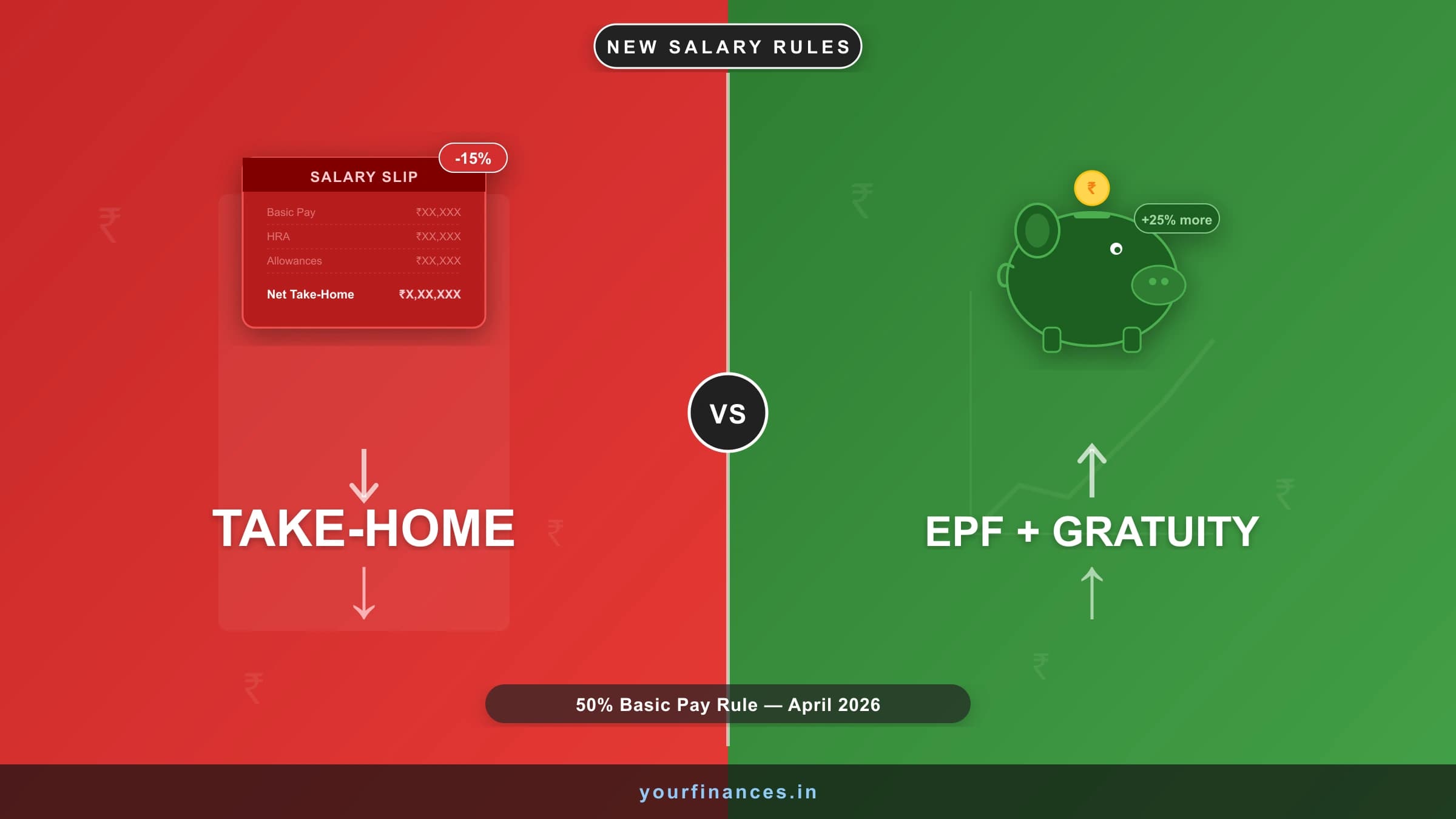
Your Take-Home Salary Just Got Cut — Here’s Why
From April 2026, your basic pay must be at least 50% of your CTC. That means lower take-home pay but significantly higher EPF and gratuity. Here’s what changed and what it means for your wallet.
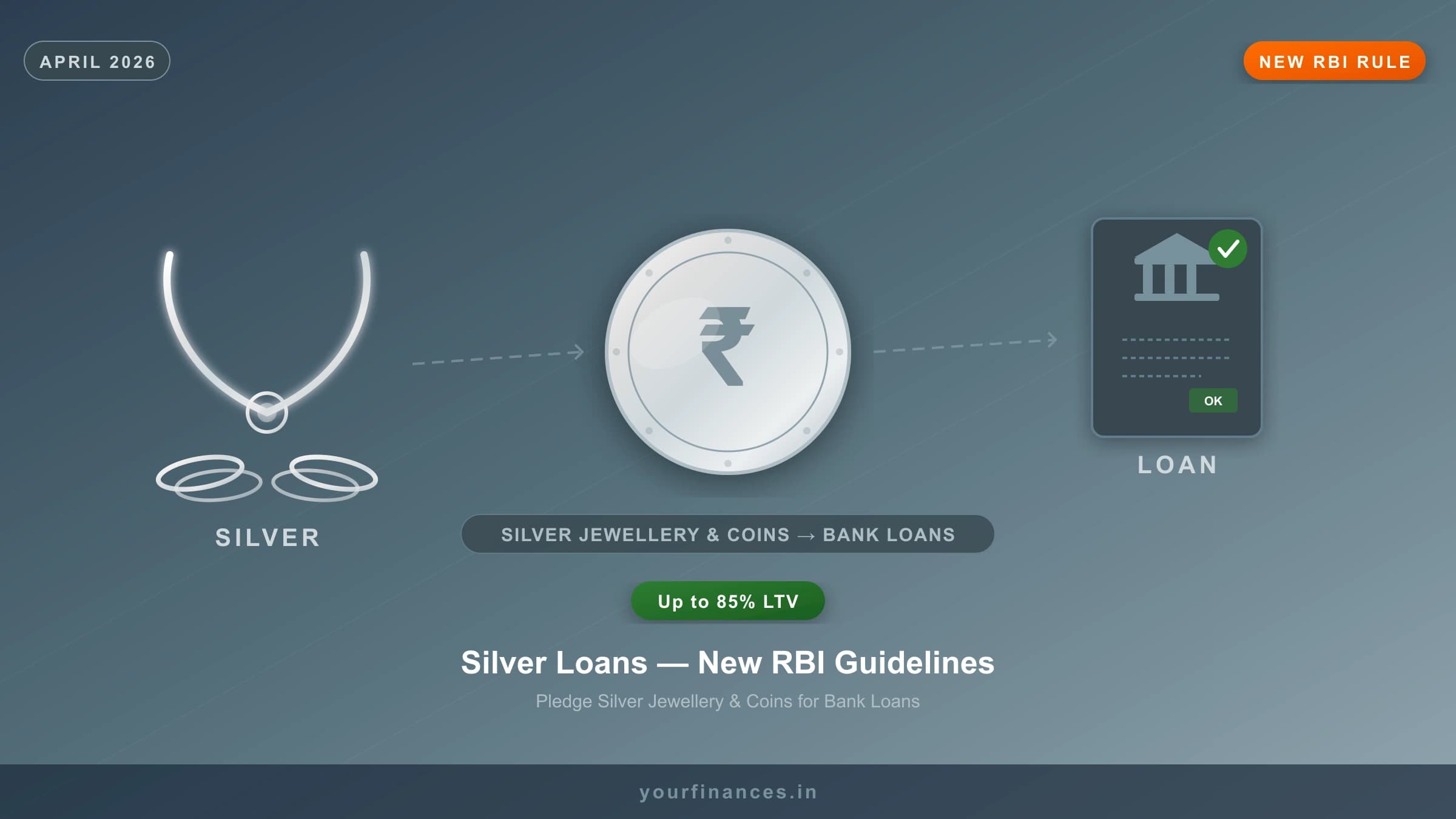
Silver Loans Are Now Legal in India — Here’s How to Get One
From April 1, the RBI allows banks and NBFCs to give loans against your silver jewelry and coins. Up to 85% LTV, 10kg silver limit, and strict borrower protections. Here’s everything you need to know.