Car Loan Guide India: Interest Rates, EMI Tips, and Mistakes to Avoid
Jaspal Singh
Author
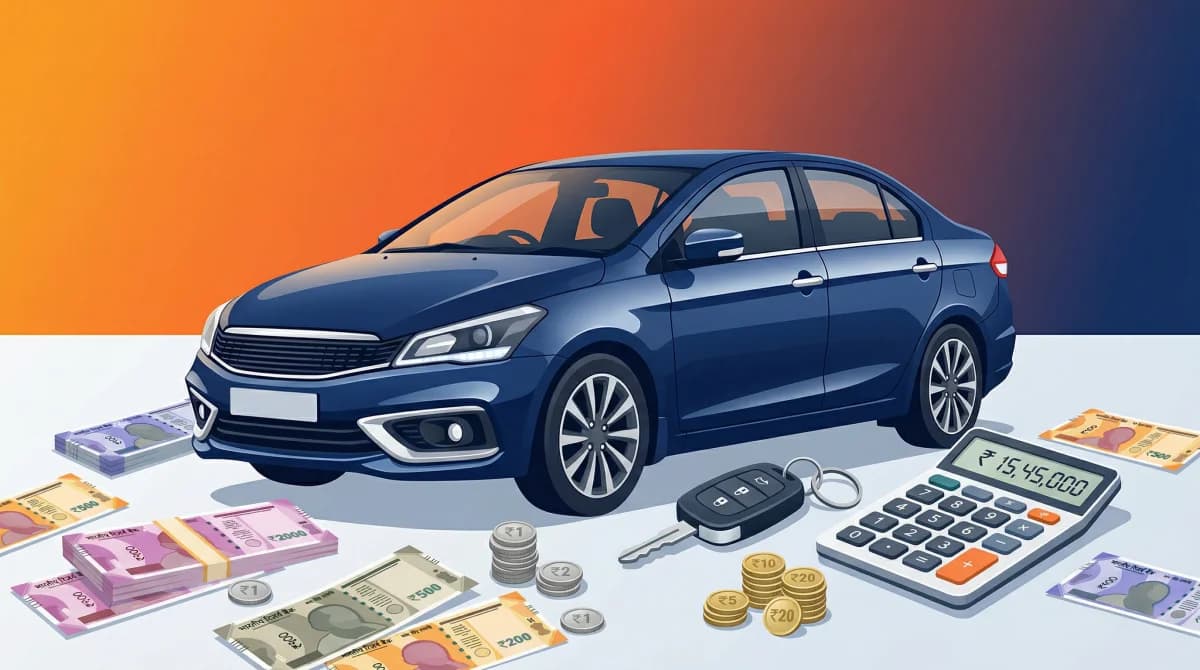
Buying a Car on Loan? Read This First
A car is the second-biggest purchase most Indians make after a home. And for the majority, it means taking a car loan. But unlike home loans (which have tons of guides and calculators), car loans don't get enough attention — and that's where buyers make expensive mistakes.
This guide covers everything: interest rates, new vs used car loans, eligibility, EMI planning, and the 5 mistakes that cost car buyers lakhs.
Car Loan Interest Rates in India (March 2026)
| Lender | New Car Rate | Used Car Rate |
|---|---|---|
| SBI | 8.50% | 11.00% |
| HDFC Bank | 8.75% | 11.50% |
| ICICI Bank | 8.70% | 11.75% |
| Bank of India | 8.25% | 10.75% |
| Bajaj Finance | 9.00% | 12.50% |
| Kotak Mahindra | 8.65% | 11.50% |
Rates depend on your CIBIL score, loan amount, and tenure. Scores above 750 get the best rates.
New Car Loan vs Used Car Loan
| Factor | New Car Loan | Used Car Loan |
|---|---|---|
| Interest Rate | 8.25-10% | 10.75-15% |
| Loan-to-Value (LTV) | Up to 100% of on-road price | 70-85% of car value |
| Maximum Tenure | 7 years | 5 years |
| Processing Fee | 0.5-1% | 1-2% |
| Car Age Limit | Brand new | Usually under 5-7 years old |
| Documentation | Simpler | More verification needed |
Pro tip: If buying a used car, go through a brand-authorized pre-owned outlet (like Maruti True Value, Hyundai H Promise). Banks offer lower rates and easier approvals for these compared to private-party purchases.
How to Calculate Your Ideal Car EMI
The golden rule: your car EMI should not exceed 10-15% of your monthly take-home salary. If you earn ₹80,000/month, your car EMI should be ₹8,000-₹12,000 maximum.
Use our EMI Calculator to find the right combination of loan amount, tenure, and interest rate for your budget.
Real Example
Buying a ₹10 lakh car with ₹2 lakh down payment = ₹8 lakh loan:
| Tenure | EMI (at 8.5%) | Total Interest Paid |
|---|---|---|
| 3 years | ₹25,216 | ₹1.08 lakh |
| 5 years | ₹16,400 | ₹1.84 lakh |
| 7 years | ₹12,672 | ₹2.64 lakh |
A 7-year loan has a temptingly low EMI but costs you ₹1.56 lakh more in interest compared to a 3-year loan. Choose the shortest tenure you can comfortably afford.
Eligibility: What Banks Look For
- Age: 21-65 years
- Income: Minimum ₹25,000/month (salaried) or ₹4 lakh/year (self-employed)
- CIBIL Score: 700+ (750+ for best rates)
- Employment: Minimum 2 years experience (salaried) or 3 years in business (self-employed)
- Existing EMIs: Total EMIs (including the new car loan) should not exceed 50% of income
5 Costly Mistakes Car Buyers Make
1. Taking the Dealer's Loan Without Comparing
Car dealers push their financing partners because they earn a commission. The dealer's rate is almost always 0.5-1.5% higher than what you'd get directly from a bank. Always get pre-approved from your bank first, then use it as leverage.
2. Choosing a 7-Year Tenure for a Lower EMI
Long tenures mean your car depreciates faster than your loan balance decreases. After 3-4 years, you could be in a situation where your car is worth less than your outstanding loan — this is called being "underwater".
3. Skipping the Down Payment
Many lenders offer 100% financing, but a 20% down payment is ideal. It reduces your loan amount, lowers your EMI, and ensures you have equity in the car from day one.
4. Ignoring Insurance Costs
A ₹10 lakh car costs about ₹25,000-₹40,000 per year in insurance. Dealers bundle expensive "comprehensive + add-on" packages. Instead, buy basic comprehensive insurance and add only the covers you need.
5. Not Factoring Total Cost of Ownership
The EMI is just part of the story. Budget for: insurance, fuel (₹5,000-₹10,000/month), maintenance (₹15,000-₹25,000/year), parking, toll, and registration.
Tips to Get the Best Car Loan Deal
- Apply during March or festive season: Banks waive processing fees to meet targets
- Keep CIBIL above 750: The single biggest factor in getting the lowest rate
- Pay 20% down: Better rate + lower EMI + less interest
- Choose 3-5 year tenure: Sweet spot between affordability and interest savings
- Prepay when possible: Thanks to the new RBI rule, there's zero penalty on floating-rate car loan prepayments
Disclaimer: This article is for educational purposes only. Interest rates are indicative and vary by lender, credit profile, and market conditions. Please compare offers from multiple lenders before making a decision.
Written by
Jaspal Singh
Founder & Editor
Personal finance writer helping Indians make smarter money decisions through clear, jargon-free guides on taxes, investments, and budgeting.
Continue Reading
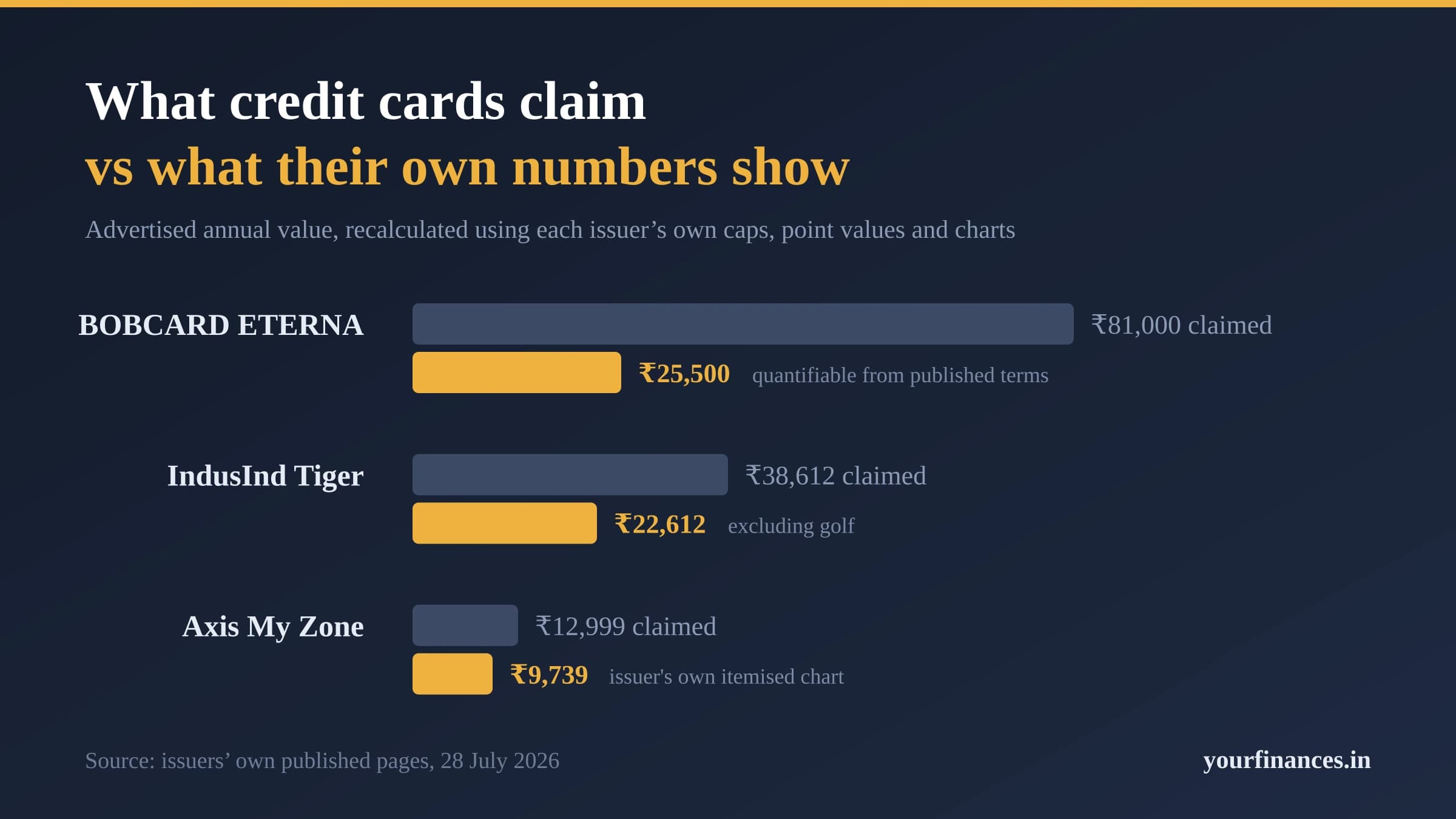
What Indian Credit Cards Claim vs What Their Own Numbers Show
An original study of eight Indian credit cards from seven issuers, using only figures each bank publishes itself. The illustrations consistently sit just inside caps the headlines never mention.
Personal Loan vs Credit Card Debt: Which Is Worse for Your Money?
Credit cards charge 36-42% interest. Personal loans charge 10-18%. The math is clear — but the real story is more nuanced. Here's the complete comparison.
The BNPL Trap: How "Buy Now Pay Later" Is Creating India's Hidden Debt Crisis
60% of BNPL users spend more than they can afford. Late fees can hit 30-40% interest. Here's how Buy Now Pay Later apps are trapping young Indians in invisible debt.