Flight Tickets Getting Costlier: Fuel Surcharges Hit All Airlines
Jaspal Singh
Author
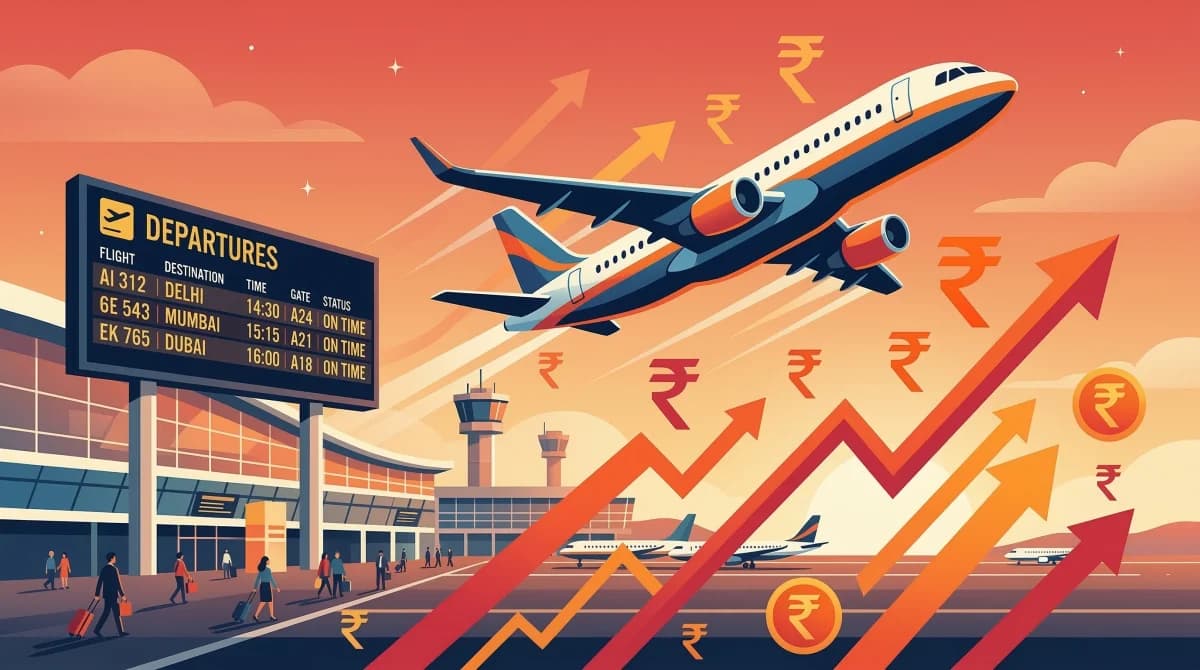
Your Next Flight Just Got Expensive
If you're planning a trip anytime soon, brace yourself. All three major Indian airlines — IndiGo, Air India, and Akasa Air — have announced fuel surcharges on all new bookings starting this week. This means every flight ticket you book from now will cost more.
The reason? Aviation fuel prices have jumped over 85% due to the ongoing Iran-US conflict in the Middle East. Since fuel makes up nearly 40% of an airline's operating costs, carriers had no choice but to pass some of that cost to passengers.
How Much More Will You Pay?
Here's a breakdown of what each airline is charging:
IndiGo (From March 14, 2026)
| Route | Surcharge Per Ticket |
|---|---|
| Domestic & Indian Subcontinent | ₹425 |
| Middle East | ₹900 |
| Southeast Asia, China, Africa | ₹1,800 |
| Europe | ₹2,300 |
Air India (From March 12, 2026)
| Route | Surcharge Per Ticket |
|---|---|
| Domestic & SAARC | ₹399 |
| West Asia | ~₹850 (USD 10) |
| Southeast Asia | ~₹5,100 (USD 60) |
| Africa | ~₹7,650 (USD 90) |
| Europe (from March 18) | ~₹10,625 (USD 125) |
| North America, Australia (from March 18) | ~₹17,000 (USD 200) |
Akasa Air (From March 15, 2026)
| Route | Surcharge Per Ticket |
|---|---|
| Domestic (short-haul) | ₹199 |
| Domestic (long-haul) | ₹399-₹700 |
| International | Up to ₹1,300 |
Why Are Fuel Prices So High?
The root cause is the Iran-US war that began on February 27, 2026. The conflict has effectively disrupted shipping through the Strait of Hormuz — a narrow waterway through which 20% of the world's oil passes.
With supply routes blocked, crude oil has surged past $119 per barrel (the same oil shock that crashed the Sensex by 4,300 points this week), and Aviation Turbine Fuel (ATF) prices have spiked accordingly. In India, the impact is even worse because ATF attracts high excise duty and state VAT, especially in metro cities like Delhi and Mumbai.
Good News: Existing Bookings Are Safe
If you've already booked your tickets, relax. The fuel surcharges only apply to new bookings made after the effective dates. Your existing tickets won't be affected unless you make changes to your itinerary that require fare recalculation.
How to Save on Flights Right Now
Here are some practical tips to keep your travel budget in check:
1. Book Sooner Rather Than Later
Fuel prices may rise further if the Middle East situation escalates. If you have confirmed travel plans, booking now could save you from even higher surcharges later.
2. Compare Across Airlines
Akasa Air's surcharges are significantly lower than IndiGo's for domestic flights (₹199 vs ₹425). Always compare before booking. Use aggregator apps like Google Flights, MakeMyTrip, or Skyscanner.
3. Be Flexible with Dates
Mid-week flights (Tuesday-Thursday) tend to be cheaper. A one-day shift in your travel date can sometimes save ₹1,000-2,000.
4. Consider Trains for Short Routes
For routes like Delhi-Jaipur, Mumbai-Pune, or Bangalore-Chennai, trains are now significantly cheaper than flights. An AC chair car ticket costs a fraction of the new flight price.
5. Use Credit Card Rewards
Many travel credit cards offer accelerated rewards on flight bookings. If you've been accumulating points, now is a great time to redeem them.
6. Book Round Trips
Most airlines offer discounts on round-trip bookings. This can partially offset the fuel surcharge.
How Long Will This Last?
That depends entirely on the geopolitical situation. If the Iran-US tensions de-escalate and oil prices come down below $100/barrel, airlines will likely roll back or reduce the surcharges. But if the conflict continues, we might see further increases in the coming weeks.
For context, the last time India saw fuel surcharges of this magnitude was during the 2022 Russia-Ukraine conflict, when crude oil briefly touched $130/barrel. Those surcharges lasted about 3-4 months before being gradually reduced.
The Bigger Picture
Rising fuel costs don't just affect flights. They push up prices across the economy — from transportation to manufacturing to food delivery. If you have savings sitting idle, consider locking in today's FD rates before they drop further. If you're looking to manage your overall budget better during this inflationary period, use our EMI Calculator to plan loan payments and our SIP Calculator to keep your investments on track despite market volatility.
Disclaimer: This article is for informational purposes only. Surcharge amounts are based on airline announcements as of March 14, 2026, and may change. Please check with the airline directly before booking.
Written by
Jaspal Singh
Founder & Editor
Personal finance writer helping Indians make smarter money decisions through clear, jargon-free guides on taxes, investments, and budgeting.
Continue Reading
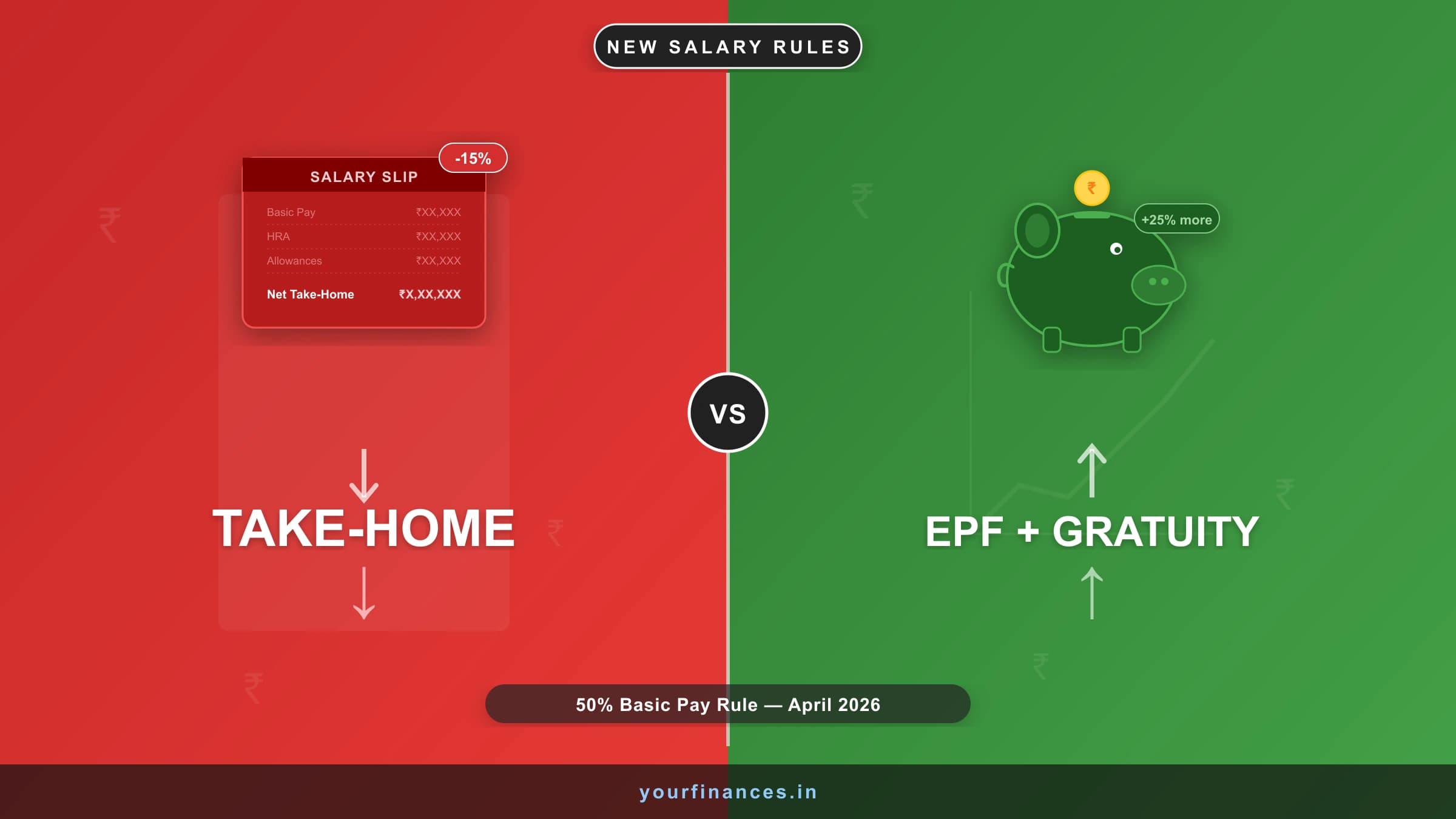
Your Take-Home Salary Just Got Cut — Here’s Why
From April 2026, your basic pay must be at least 50% of your CTC. That means lower take-home pay but significantly higher EPF and gratuity. Here’s what changed and what it means for your wallet.
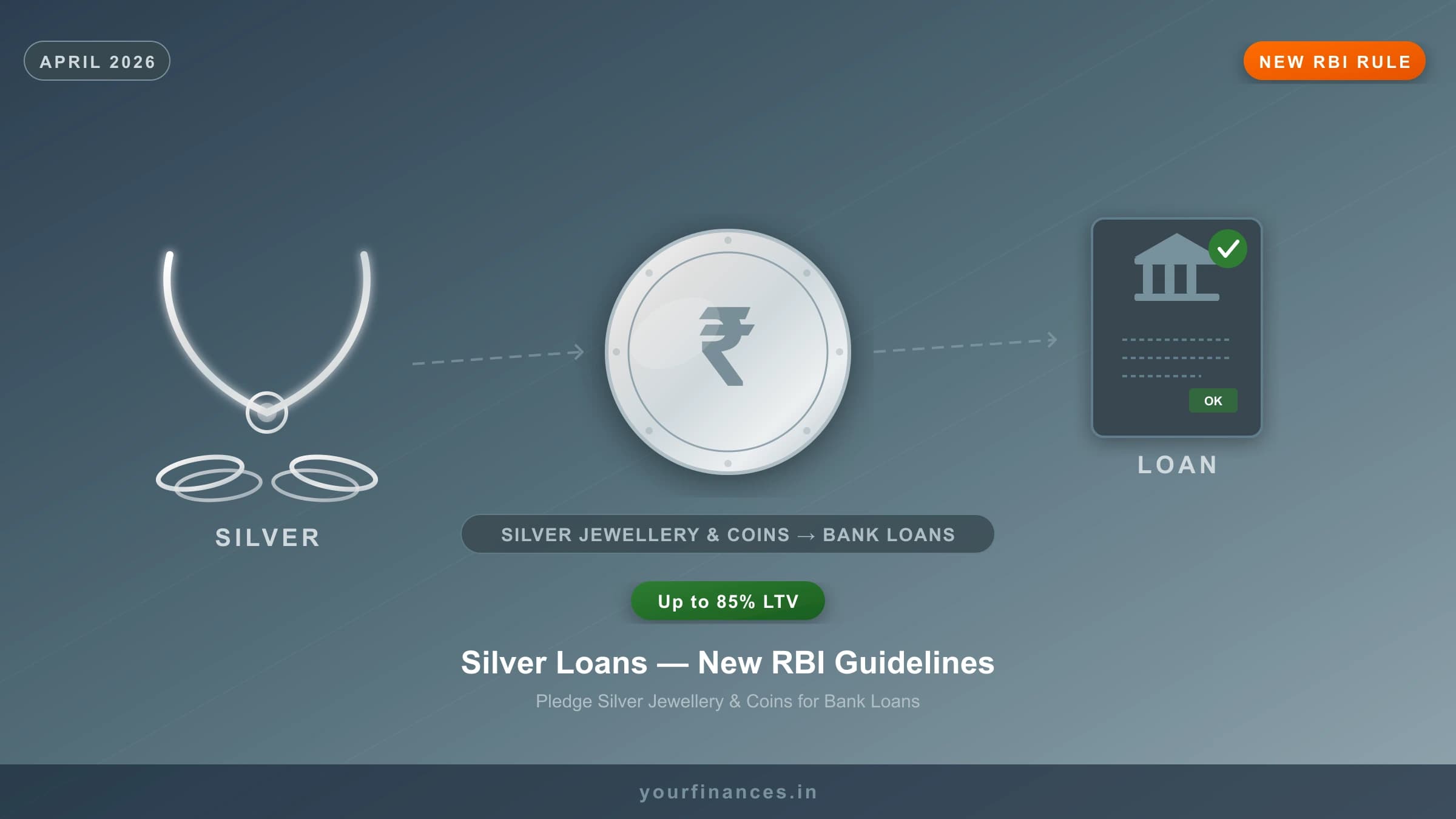
Silver Loans Are Now Legal in India — Here’s How to Get One
From April 1, the RBI allows banks and NBFCs to give loans against your silver jewelry and coins. Up to 85% LTV, 10kg silver limit, and strict borrower protections. Here’s everything you need to know.
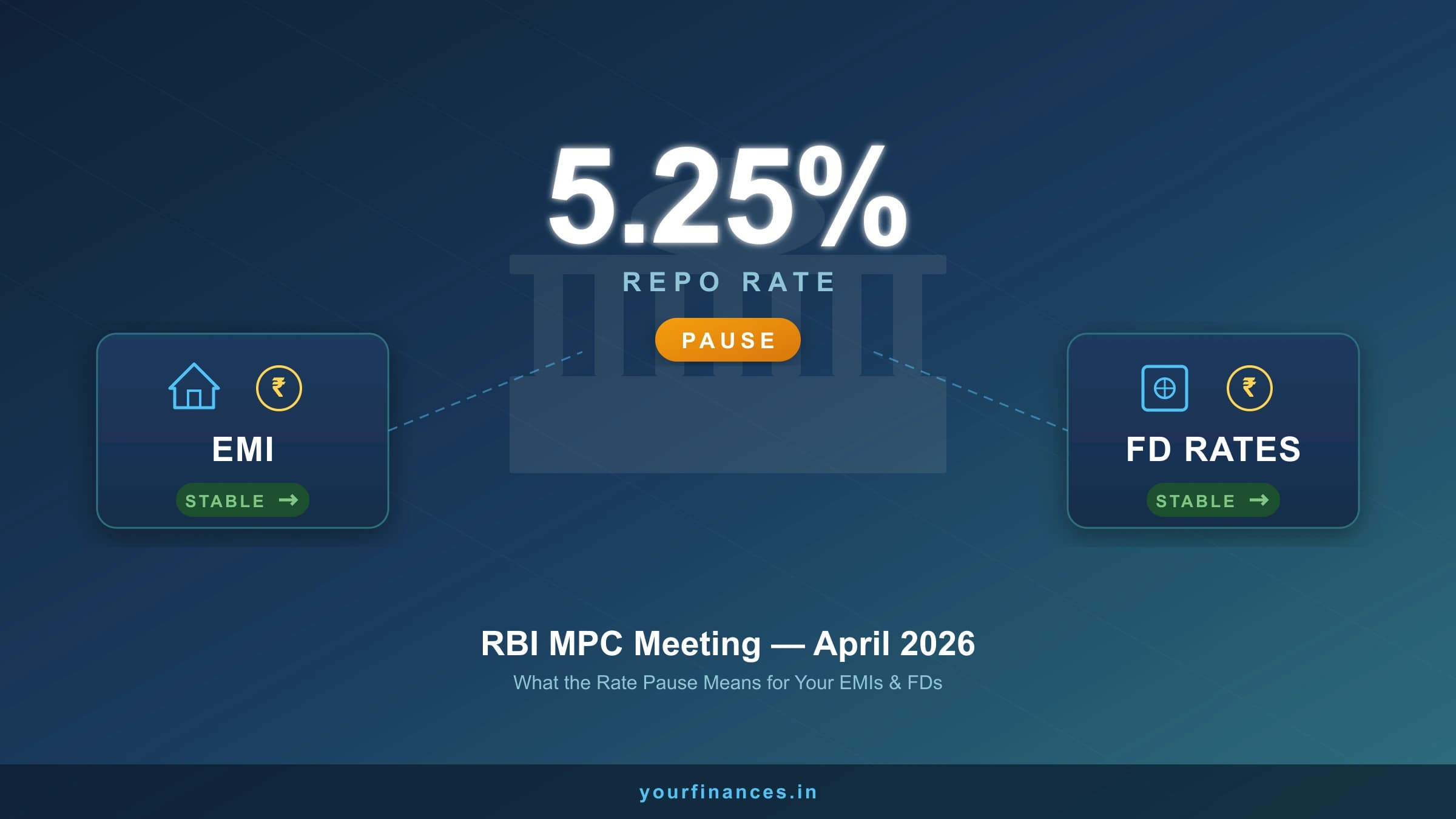
RBI MPC Meets Monday: Why Your EMI and FD Returns Won’t Change Yet
The RBI’s Monetary Policy Committee meets April 6-8. With oil above $100, the rupee at record lows, and inflation creeping up, here’s why the central bank is expected to hit pause — and what it means for your wallet.