UPI New Rules from April 2026: Higher Limits, Inactive ID Cleanup
Jaspal Singh
Author
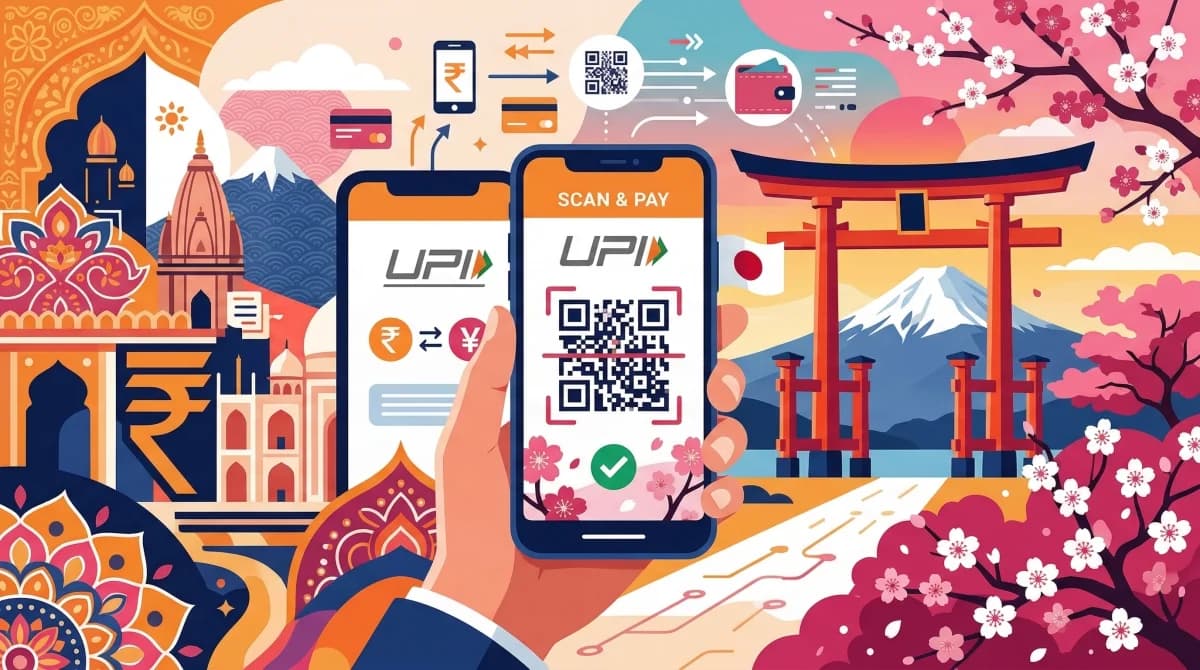
UPI has become so deeply embedded in Indian life that any change to its rules feels personal. And starting April 1, 2026, several new UPI rules from the Reserve Bank of India (RBI) and NPCI (National Payments Corporation of India) are kicking in that will affect how you send, receive, and manage money digitally.
Some of these changes will make your life easier. Others might catch you off guard if you are not prepared. Here is everything you need to know.
What Is Changing From April 1, 2026?
1. UPI Transaction Limit Raised to ₹5 Lakh for Select Categories
The standard UPI transaction limit remains ₹1 lakh per transaction. However, RBI has raised the limit to ₹5 lakh for specific categories:
- Tax payments — income tax, GST, property tax
- Hospital and medical payments
- Educational institution fees
- Insurance premium payments
This is a big deal. Previously, if your child's college fee was ₹2.5 lakh, you had to split it across three UPI transactions or use NEFT/RTGS. Now you can pay in a single tap.
| Category | Old Limit | New Limit (from April 1) |
|---|---|---|
| General transactions | ₹1 lakh | ₹1 lakh (unchanged) |
| Tax payments | ₹1 lakh | ₹5 lakh |
| Medical/hospital | ₹1 lakh | ₹5 lakh |
| Education fees | ₹1 lakh | ₹5 lakh |
| Insurance premiums | ₹1 lakh | ₹5 lakh |
| IPO applications | ₹5 lakh | ₹5 lakh (unchanged) |
2. Inactive UPI IDs Will Be Deactivated
If you have not used a UPI ID for more than one year, NPCI will deactivate it. This means:
- Your linked bank account remains active — only the UPI ID is disabled
- You can reactivate it by verifying your mobile number and re-registering on any UPI app
- This primarily affects people who have registered on multiple UPI apps (Google Pay, PhonePe, Paytm, BHIM) and abandoned some
Why is NPCI doing this? Security. Inactive UPI IDs are a target for fraudsters. If your old phone number gets recycled to a new user, they could potentially access your UPI ID. Deactivating dormant IDs closes this vulnerability.
3. UPI Lite Gets a Boost — ₹1,000 Per Transaction
UPI Lite is an offline payment mode where you pre-load a small amount (up to ₹2,000) into a wallet-like balance. Transactions happen without your bank being pinged in real-time, making them faster and reducing bank server load.
From April 2026:
- Per-transaction limit raised from ₹500 to ₹1,000
- Overall wallet limit remains ₹2,000
- No PIN required for UPI Lite transactions (speed advantage)
This is useful for everyday purchases — chai, auto rides, groceries — where entering a PIN for every ₹50-100 payment is tedious. Think of UPI Lite as a digital version of carrying small change in your pocket.
4. New Fraud Alert System
NPCI is rolling out a real-time fraud alert system that will flag suspicious transactions before you confirm them. If you are about to send money to a UPI ID that has been reported for fraud by multiple users, you will see a warning screen.
This is a response to the epidemic of digital arrest scams and UPI fraud that have cost Indians over ₹1,700 crore in 2025 alone. The new system will not block transactions outright — you can still proceed — but it adds a friction layer that gives you time to think.
5. Merchant Discount Rate (MDR) Changes for Large Merchants
UPI has been free for merchants since 2020 — the government subsidises the transaction cost. However, there are discussions about introducing a small MDR (Merchant Discount Rate) for merchants processing over ₹50 lakh per month via UPI.
This does not affect you as a consumer directly. But if it is implemented, some large merchants might add a small convenience fee for UPI payments — similar to what some petrol pumps tried (and were stopped by courts) in 2024.
UPI's Growth Has Been Staggering
To understand why these rule changes matter, look at the numbers:
| Metric | March 2024 | March 2026 | Growth |
|---|---|---|---|
| Monthly transactions | 1,330 crore | 2,100+ crore | +58% |
| Monthly value | ₹18.2 lakh crore | ₹28+ lakh crore | +54% |
| Active users | ~35 crore | ~50 crore | +43% |
| UPI Lite transactions | ~2 crore/month | ~15 crore/month | +650% |
India now processes more real-time digital payments than any other country in the world — more than the US, China, Brazil, and the UK combined. UPI handles about 70 transactions every second.
How to Prepare for the New Rules
1. Clean Up Inactive UPI IDs
Open each UPI app you have registered on (PhonePe, Google Pay, Paytm, BHIM, etc.). If you are not using one, either delete the app or use it for a small transaction to keep the UPI ID active. If you do not care about the ID, let it deactivate — you can always re-register later.
2. Set Up UPI Lite for Daily Expenses
If you make frequent small payments (under ₹1,000), enable UPI Lite in your preferred UPI app. It is faster, works with spotty internet, and does not require a PIN. Just keep the wallet topped up.
3. Update Your UPI App
The fraud alert system and higher limits will require the latest app version. Make sure your Google Pay, PhonePe, or Paytm is updated to the latest version before April 1.
4. Verify Your Mobile Number
UPI is linked to your mobile number. If you have recently changed your number but not updated it with your bank, do it now. After April 1, inactive IDs linked to old numbers will be deactivated — potentially locking you out if someone else gets your old number.
UPI International — India Goes Global
In a related development, UPI is now operational in Japan as of March 2026. Indian tourists and business travellers can pay at participating merchants in Tokyo, Osaka, and Kyoto using their Indian UPI apps.
UPI is already live in the UAE, Singapore, France, Mauritius, Sri Lanka, Bhutan, and Nepal. The Japan launch is significant because it is the first major non-Asian-neighbour country where UPI works at physical merchant points (France has limited online acceptance).
For travellers, this means no more currency exchange hassles or international card fees — just scan and pay in rupees, with the conversion handled automatically at competitive exchange rates.
The Bottom Line
UPI's new rules from April 2026 bring higher transaction limits for taxes and education, inactive ID cleanup, boosted UPI Lite limits, and a new fraud alert system. The changes make UPI more secure and more capable — but you need to clean up inactive IDs and update your apps before April 1.
Digital payments are no longer just convenient — they are the default way India transacts. With 50 crore active users and ₹28 lakh crore flowing through UPI every month, these rule changes affect almost every adult in the country.
For managing your finances — whether it is paying EMIs, investing through SIPs, or saving in fixed deposits — UPI remains the fastest and cheapest way to move money. The April 2026 changes just make it better.
Disclaimer: This article is for informational purposes only. UPI rules and limits are subject to change by RBI and NPCI. Please refer to your bank and UPI app for the latest applicable rules. Information is based on publicly available regulatory announcements as of March 2026.
Written by
Jaspal Singh
Founder & Editor
Personal finance writer helping Indians make smarter money decisions through clear, jargon-free guides on taxes, investments, and budgeting.
Continue Reading

Gold, Silver Import Duty Raised to 15%: What It Means for Prices, Rupee, and India's Trade Balance
India has raised import duty on gold and silver to 15% from 6%. Here is what the move means for bullion demand, trade deficit, forex reserves, and everyday buyers.
Your Take-Home Salary Just Got Cut — Here’s Why
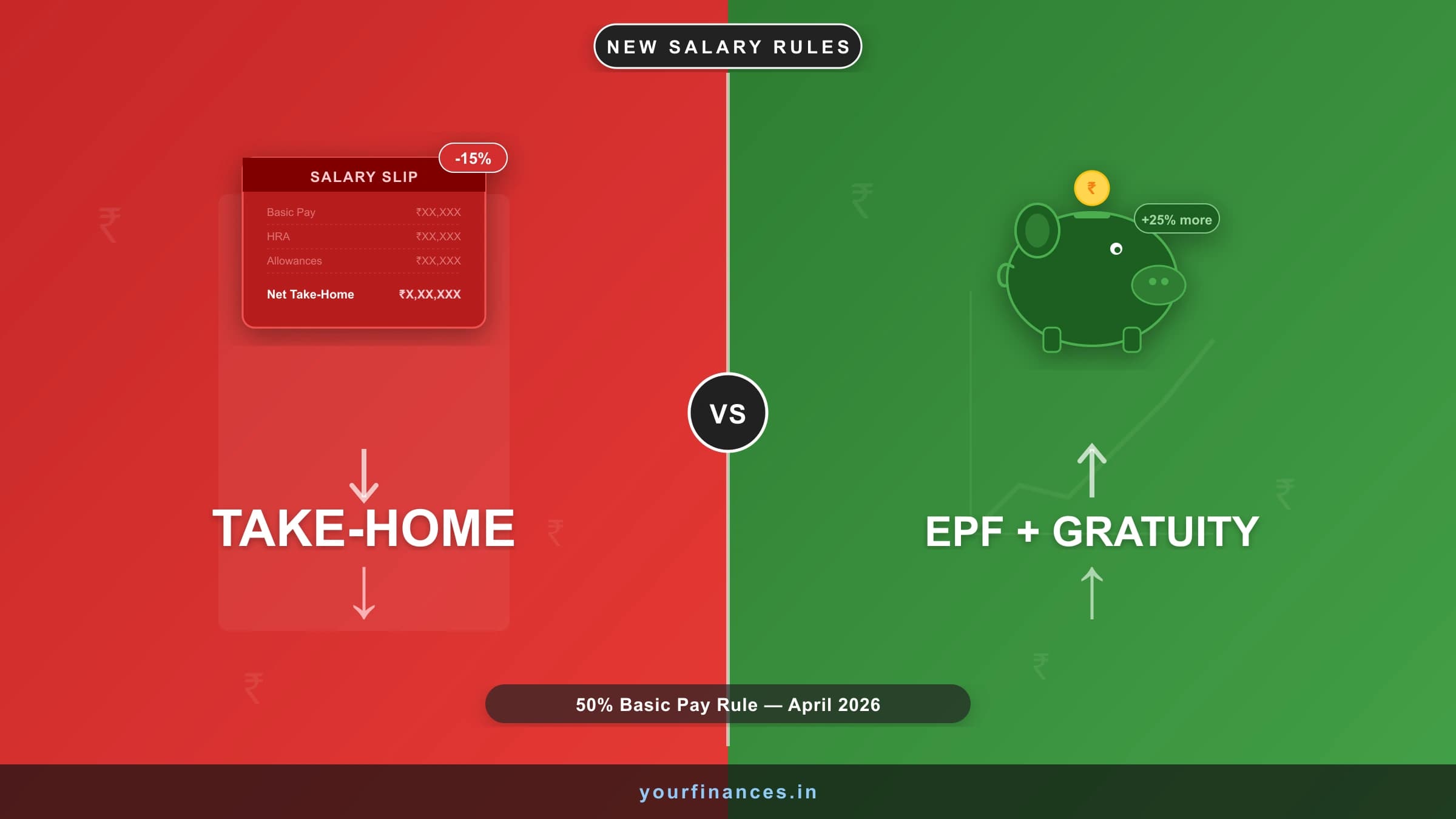
From April 2026, your basic pay must be at least 50% of your CTC. That means lower take-home pay but significantly higher EPF and gratuity. Here’s what changed and what it means for your wallet.
Silver Loans Are Now Legal in India — Here’s How to Get One
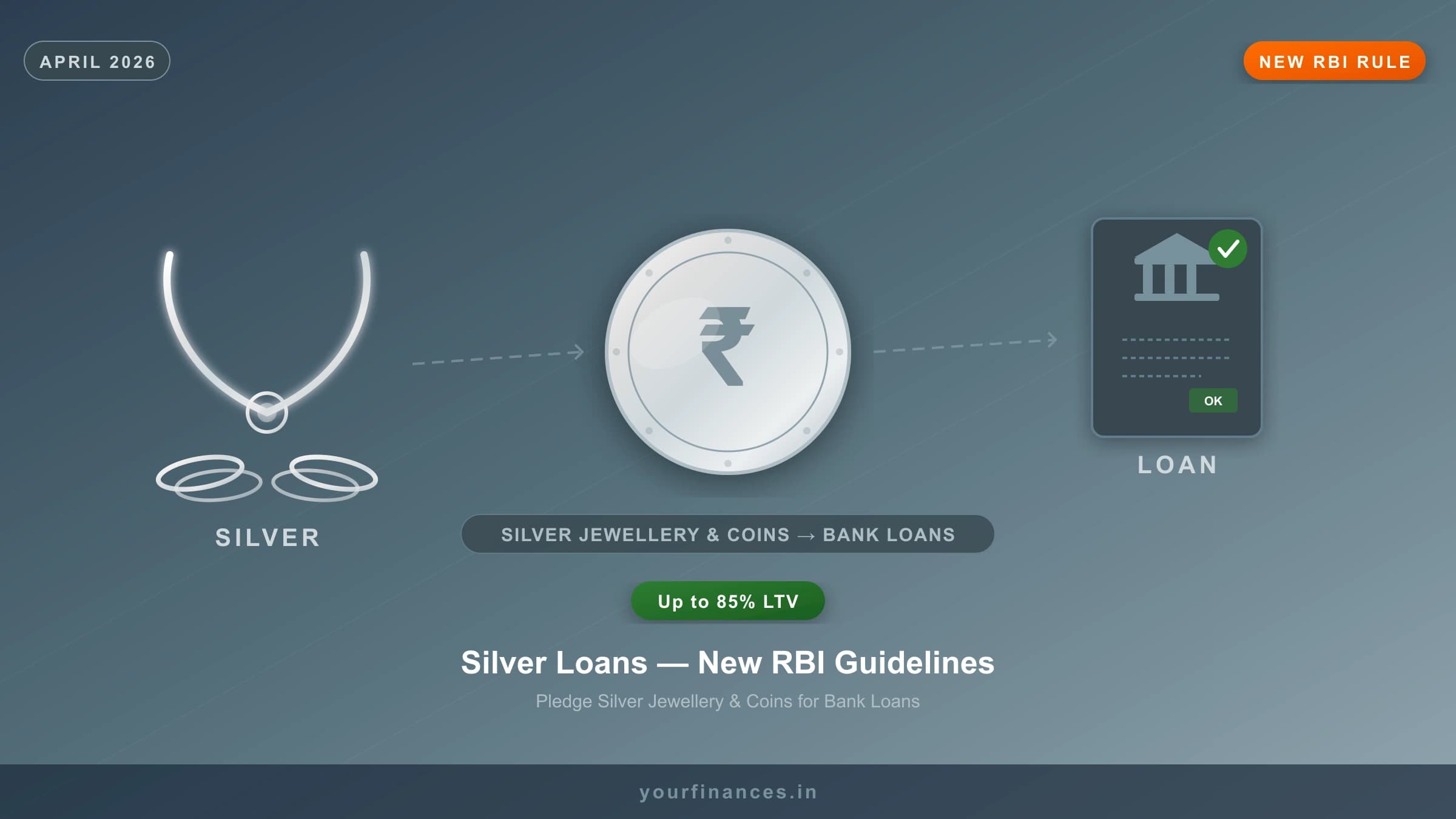
From April 1, the RBI allows banks and NBFCs to give loans against your silver jewelry and coins. Up to 85% LTV, 10kg silver limit, and strict borrower protections. Here’s everything you need to know.