LPG Crisis Deepens — 90% of India's Gas Passes Through Hormuz Strait
Jaspal Singh
Author
How Bad Is India's LPG Crisis?
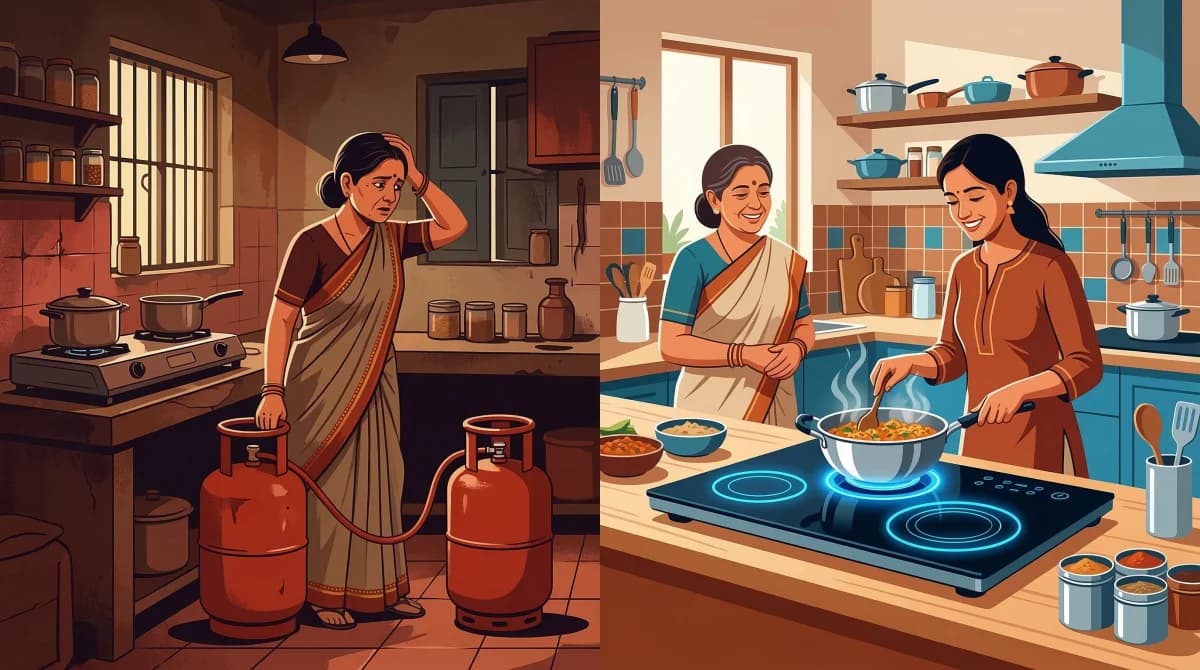
Here's a number that should worry every Indian household: India imports 60% of its LPG, and 90% of those imports pass through the Strait of Hormuz — the narrow waterway between Iran and Oman that's now at the centre of a major geopolitical crisis.
With tensions between Iran and Western nations escalating, this supply route is under threat. And the effects are already being felt in Indian kitchens.
The Numbers Are Alarming
- Commercial LPG supply has dropped by nearly 75% in affected areas
- ~20% of restaurants in Mumbai have temporarily shut down or reduced operations
- Amazon India reported a 20X jump in induction cooktop sales
- Flipkart saw 4X increase in induction sales in just 5 days
Why the Strait of Hormuz Matters
Think of the Strait of Hormuz as a funnel. About 20% of the world's oil and LPG passes through this 33-km-wide channel every day. If this route gets blocked — even partially — prices will spike globally.
For India, which is the world's second-largest LPG importer, any disruption here directly hits household cooking costs.
What's the Government Doing?
The government has activated emergency measures:
- Exploring alternative supply routes (longer shipping paths around Africa)
- Increasing domestic LPG production where possible
- Building strategic reserves at key ports
But these are medium-term solutions. In the short term, prices could rise.
Should You Switch to Induction Cooking?
Many Indian families are already making the switch. Here's why induction makes financial sense:
- Cost per meal: Induction cooking costs ₹3-5 per meal vs ₹8-12 for LPG
- Upfront cost: A good induction cooktop starts at ₹1,500-3,000
- Electricity impact: An induction cooktop uses about 1-2 units per hour — roughly ₹7-15
- Safety: No gas leaks, no open flames
How Much Can You Save?
If LPG prices rise by ₹100-200 per cylinder (which is possible), a family using 1 cylinder per month could save ₹1,200-2,400 per year by switching to induction for daily cooking. Over 5 years, that adds up. Use our Compound Interest Calculator to see how investing those savings grows over time.
Impact on Your Monthly Budget
Here's how rising LPG costs ripple through your expenses:
- Direct impact: Higher cooking gas bills (₹100-300/month increase possible)
- Restaurant prices: Eating out will get more expensive as restaurants pass on costs
- Food inflation: Commercial kitchens, dhabas, and street food vendors will raise prices
What Should You Do?
Short term: Book your LPG refills on time — don't wait for the cylinder to run out completely. Delays in delivery are increasing.
Medium term: Consider buying an induction cooktop as a backup. You don't need to fully switch — even using induction for tea, rice, and dal can reduce your LPG consumption by 30-40%.
Long term: Budget for higher energy costs in 2026. Factor in a 10-15% increase in your cooking budget when planning monthly expenses. Check our FD Calculator to park your emergency fund safely.
Disclaimer: This article is for educational purposes only and does not constitute financial advice. Please consult a qualified financial advisor before making investment decisions.
Written by
Jaspal Singh
Founder & Editor
Personal finance writer helping Indians make smarter money decisions through clear, jargon-free guides on taxes, investments, and budgeting.
Continue Reading

Gold, Silver Import Duty Raised to 15%: What It Means for Prices, Rupee, and India's Trade Balance
India has raised import duty on gold and silver to 15% from 6%. Here is what the move means for bullion demand, trade deficit, forex reserves, and everyday buyers.
Your Take-Home Salary Just Got Cut — Here’s Why
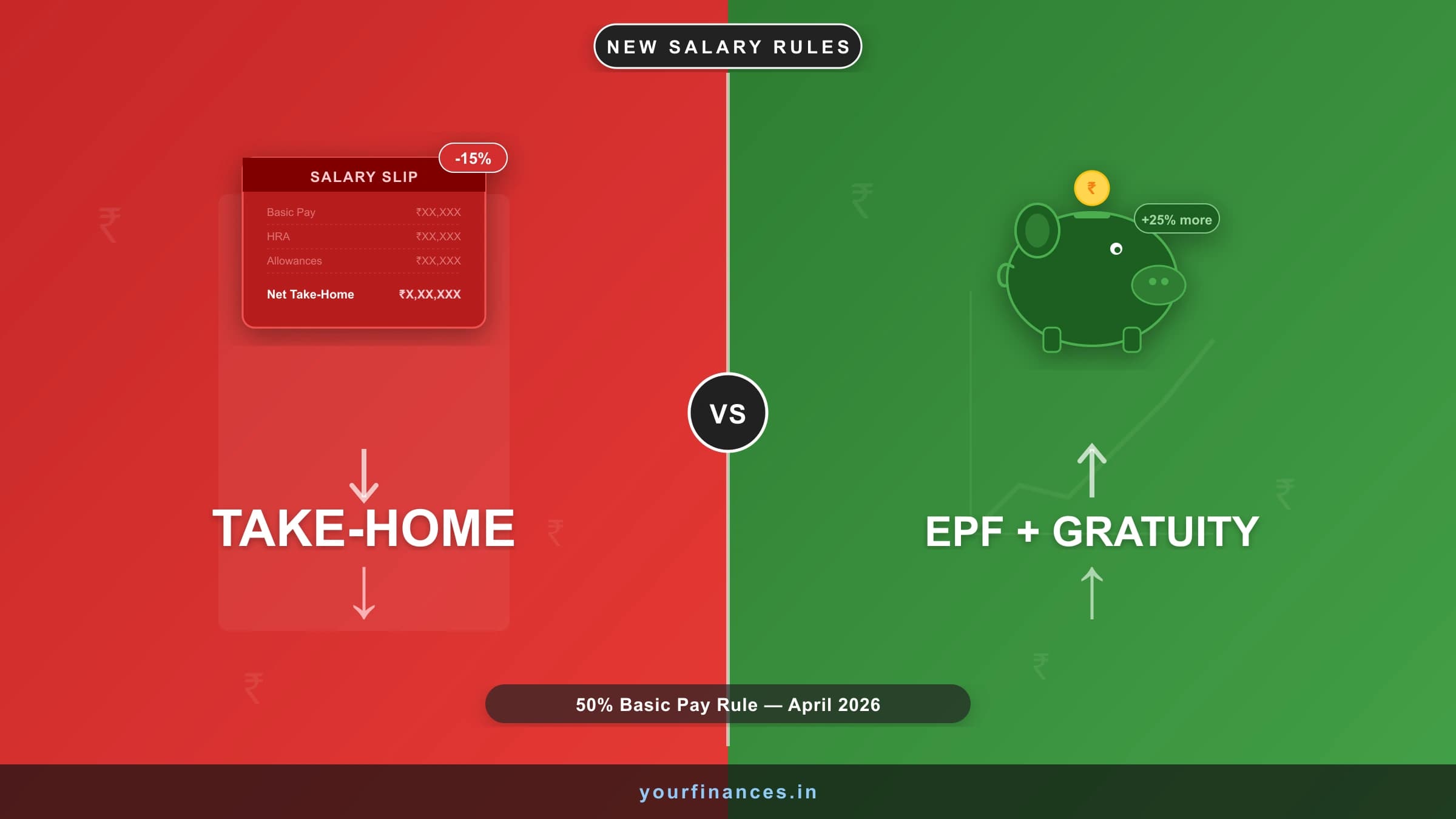
From April 2026, your basic pay must be at least 50% of your CTC. That means lower take-home pay but significantly higher EPF and gratuity. Here’s what changed and what it means for your wallet.
Silver Loans Are Now Legal in India — Here’s How to Get One
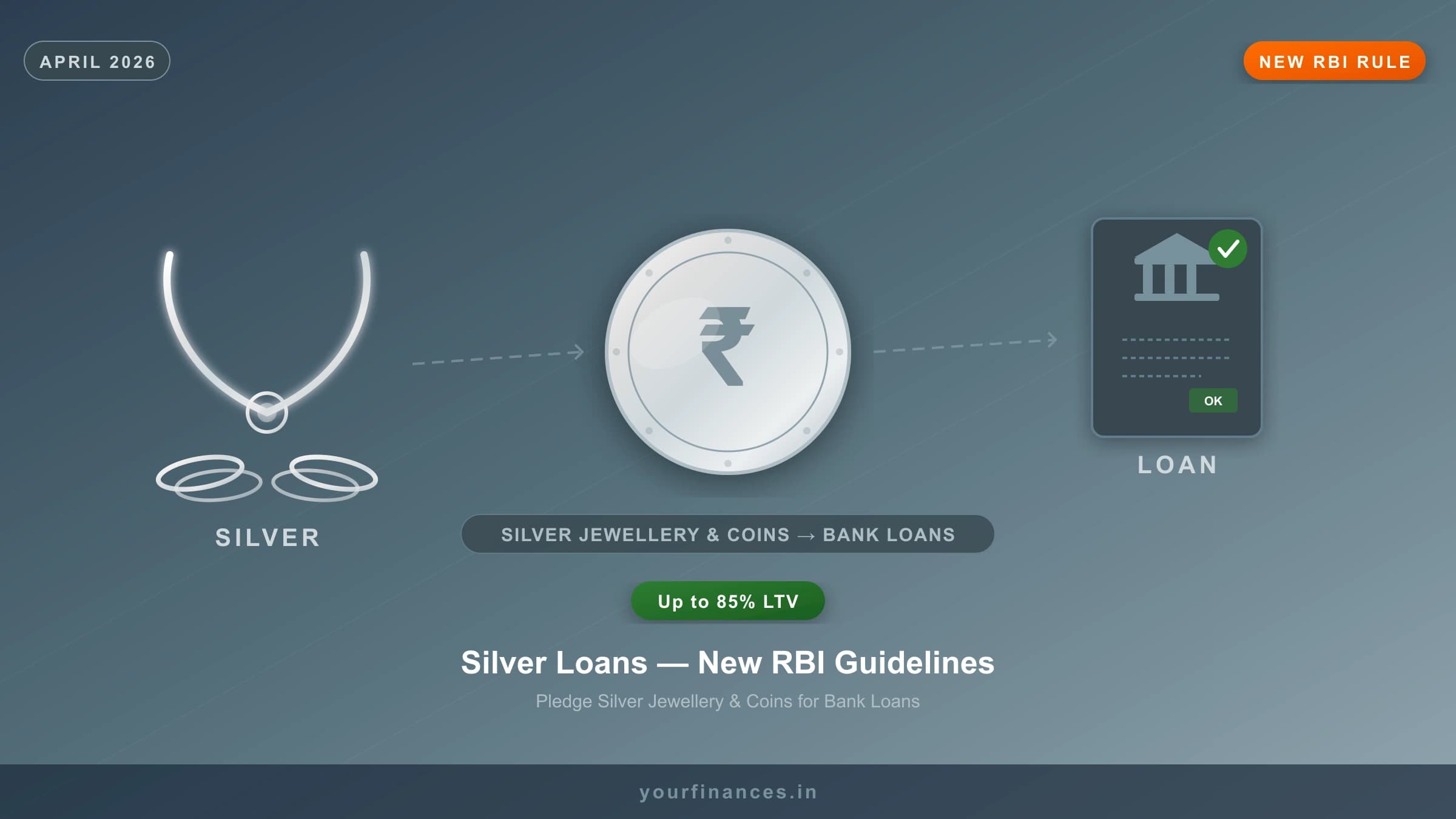
From April 1, the RBI allows banks and NBFCs to give loans against your silver jewelry and coins. Up to 85% LTV, 10kg silver limit, and strict borrower protections. Here’s everything you need to know.