LPG Crisis Deepens: Essential Commodities Act Invoked, Refill Gap Now 25 Days
Jaspal Singh
Author
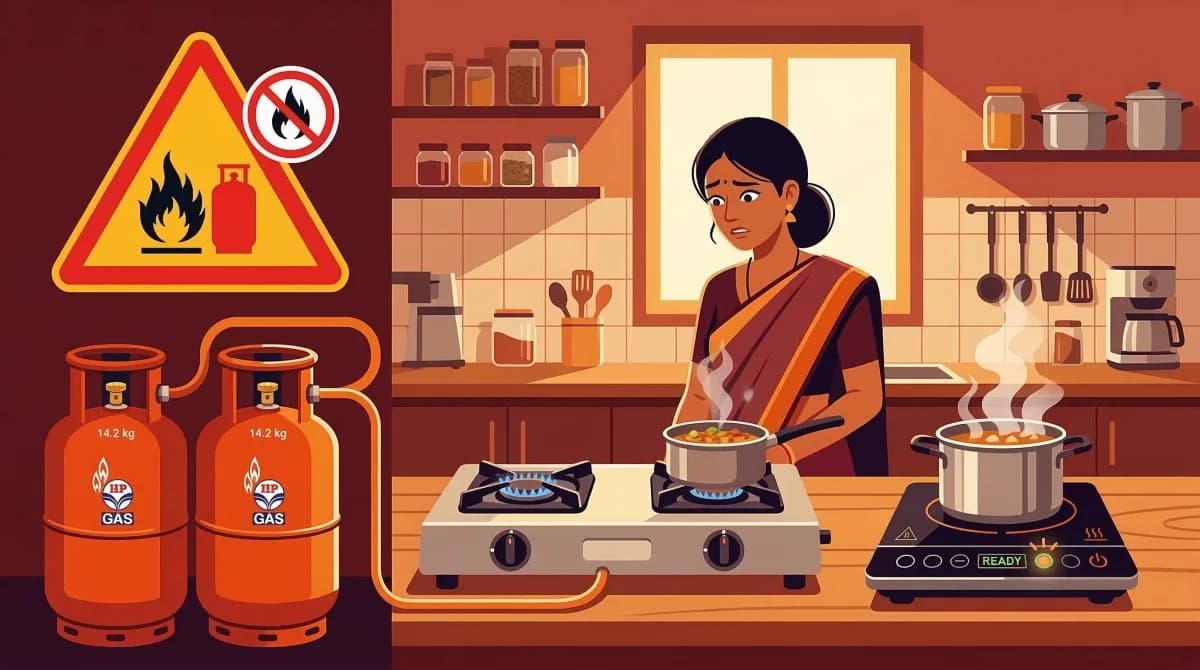
The LPG crisis triggered by the Iran war is getting worse. The government has now invoked the Essential Commodities Act of 1955 — a law reserved for genuine emergencies — to manage cooking gas distribution across the country. Commercial gas supplies have been halted in at least 8 states, restaurants are shutting down or switching to electric cooking, and the LPG refill booking period has been extended from 21 to 25 days to curb hoarding.
If you are a household that depends on LPG for daily cooking — and that is over 31 crore Indian families — here is what is happening and what you need to know.
What Has the Government Done?
Essential Commodities Act Invoked
The Essential Commodities Act, 1955 gives the government emergency powers to control production, supply, and distribution of essential goods. By invoking it for LPG, the government can now:
- Fix allocation priorities — household LPG gets first priority over commercial and industrial use
- Prevent hoarding — dealers and distributors cannot stockpile cylinders beyond prescribed limits
- Control pricing — black market sales of LPG at inflated prices become a criminal offence
- Ration supplies — limit the number of refills per household per month if needed
This is only the second time since 2020 (COVID) that the Act has been invoked for LPG.
Refill Period Extended to 25 Days
Previously, you could book a new LPG cylinder refill as soon as 21 days after your last delivery. This has been extended to 25 days — a 4-day increase designed to reduce demand by approximately 15% and prevent panic-booking.
For a family that uses one cylinder per month, this means your last few days before the refill might require more careful gas management.
Commercial Gas Supplies Halted in 8+ States
Restaurants, hotels, and catering businesses in several states including Maharashtra, Delhi-NCR, Karnataka, Tamil Nadu, Telangana, Rajasthan, Gujarat, and Uttar Pradesh are reporting complete halt or severe rationing of commercial LPG cylinders (the larger 19-kg blue cylinders used by businesses).
The National Restaurant Association of India (NRAI) has asked member restaurants to modify menus — reducing items that require extensive gas cooking and switching to electric or induction-based alternatives where possible. Some Bengaluru restaurants have reportedly switched from dosas (which need gas griddles) to sandwiches and salads.
Why Is LPG Running Short?
India imports about 50% of its crude oil and 54% of its LNG through the Strait of Hormuz route, primarily from the Middle East. Additionally, India imports 40% of its LNG needs (~27 million tonnes annually) from Qatar, where production has been halted following Iranian drone attacks on US bases in the region. The disruption is twofold:
- Strait of Hormuz near-closure — 20% of the world's petroleum passes through this 167-km waterway connecting the Persian Gulf to the Arabian Sea, which has been severely disrupted by the conflict
- Higher shipping costs — longer alternative routes around Africa add 10-15 days to delivery time and significantly increase freight costs
- LNG price surge — spot LNG prices have doubled, making imports more expensive
- Insurance costs — marine insurance for tankers passing near the conflict zone has spiked 5-10x
Will Household LPG Run Out?
Unlikely, but rationing is possible. The government has made it clear that household LPG (the 14.2-kg domestic cylinders) is the top priority. Commercial users will bear the brunt of shortages first.
India's three government oil marketing companies — Indian Oil (IOCL), Bharat Petroleum (BPCL), and Hindustan Petroleum (HPCL) — have confirmed that domestic LPG stocks are adequate for 4-6 weeks at current consumption levels. The risk arises if the conflict extends beyond April and alternative supply routes remain disrupted.
How Much More Will You Pay?
| Cylinder Type | Current Price (Delhi) | Expected Price (if crisis continues) |
|---|---|---|
| Domestic (14.2 kg) | ₹913 (up ₹60 from March 7) | ₹950 – ₹1,000 |
| Commercial (19 kg) | ₹1,883 (up ₹115) | ₹2,000 – ₹2,200 |
| 5-kg FTL cylinder | ₹390 | ₹420 – ₹450 |
The domestic LPG price was increased by ₹60 on March 7 itself — the first hike since April 2025. The actual cost at current import prices would be ₹1,100-1,200 per cylinder. How long the government can maintain this subsidy depends on oil prices and the duration of the conflict.
What Should You Do?
1. Do NOT Panic-Book or Hoard
Booking extra cylinders or hoarding creates artificial shortages and is now punishable under the Essential Commodities Act. One refill per 25 days per connection is the rule — follow it.
2. Conserve Gas Usage
Simple changes can extend your cylinder life by 5-7 days:
- Use a pressure cooker — it uses 50-70% less gas than open-pot cooking
- Soak dal and rice before cooking — reduces cooking time significantly
- Cover pots with lids while cooking — traps heat and reduces gas consumption
- Maintain burner cleanliness — clogged burners waste gas
- Use induction cooktops for quick tasks like boiling water, making tea, or reheating
3. Consider an Induction Cooktop as Backup
A good induction cooktop costs ₹1,500-3,000 and uses electricity instead of gas. It is faster than LPG for many tasks and costs about ₹2-3 per hour of cooking at current electricity rates. Having one as a backup ensures you are not fully dependent on LPG.
4. Budget for Higher LPG Costs
Factor in a potential ₹50-100 increase per cylinder over the next quarter. For a household using one cylinder per month, that is ₹600-1,200 extra per year — modest, but it adds up alongside other inflation. Review your monthly budget and ensure your savings and investment plan accounts for rising household costs.
5. Check Your Ujjwala Subsidy Status
If you are a Pradhan Mantri Ujjwala Yojana (PMUY) beneficiary, ensure your Aadhaar is linked to your LPG connection and your bank account is active. During rationing, Ujjwala beneficiaries receive priority allocation.
The Bottom Line
The LPG crisis is serious but manageable. The government has invoked the Essential Commodities Act, extended refill periods to 25 days, and prioritised household supplies over commercial use. Domestic LPG stocks are adequate for 4-6 weeks. Prices have already risen ₹60 per cylinder and may increase further if the Iran conflict continues. The government is considering alternative LPG cargoes from the US, Russia, and Algeria.
For households, the action plan is simple: do not hoard, conserve gas, keep an induction cooktop as backup, and budget for moderately higher LPG costs. The crisis will pass — India's energy diversification efforts will reduce these vulnerabilities over time.
Disclaimer: This article is for informational purposes only. LPG prices and availability vary by state and distributor. Information is based on publicly available government announcements and media reports as of March 10, 2026.
Written by
Jaspal Singh
Founder & Editor
Personal finance writer helping Indians make smarter money decisions through clear, jargon-free guides on taxes, investments, and budgeting.
Continue Reading

Gold, Silver Import Duty Raised to 15%: What It Means for Prices, Rupee, and India's Trade Balance
India has raised import duty on gold and silver to 15% from 6%. Here is what the move means for bullion demand, trade deficit, forex reserves, and everyday buyers.
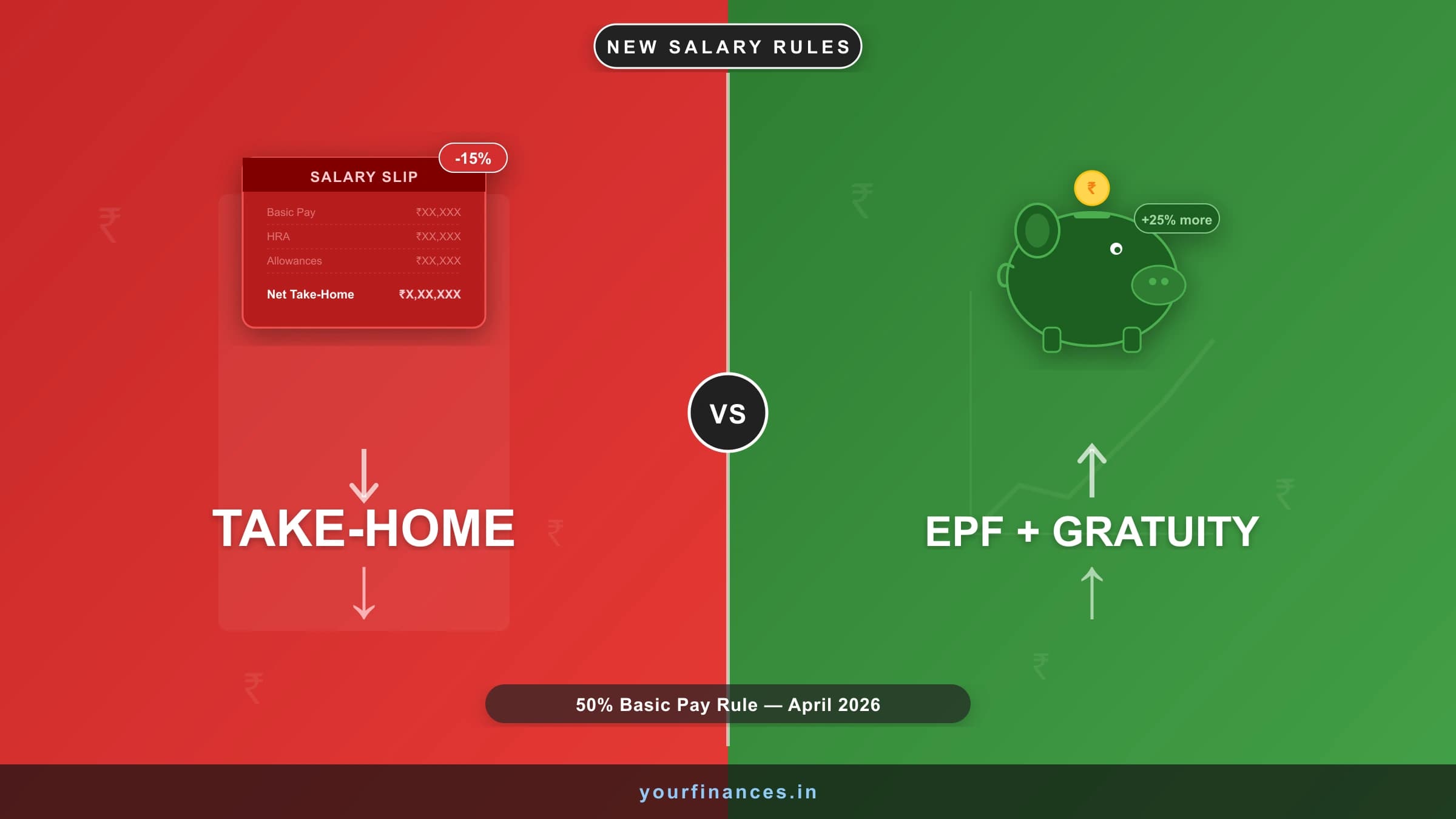
Your Take-Home Salary Just Got Cut — Here’s Why
From April 2026, your basic pay must be at least 50% of your CTC. That means lower take-home pay but significantly higher EPF and gratuity. Here’s what changed and what it means for your wallet.
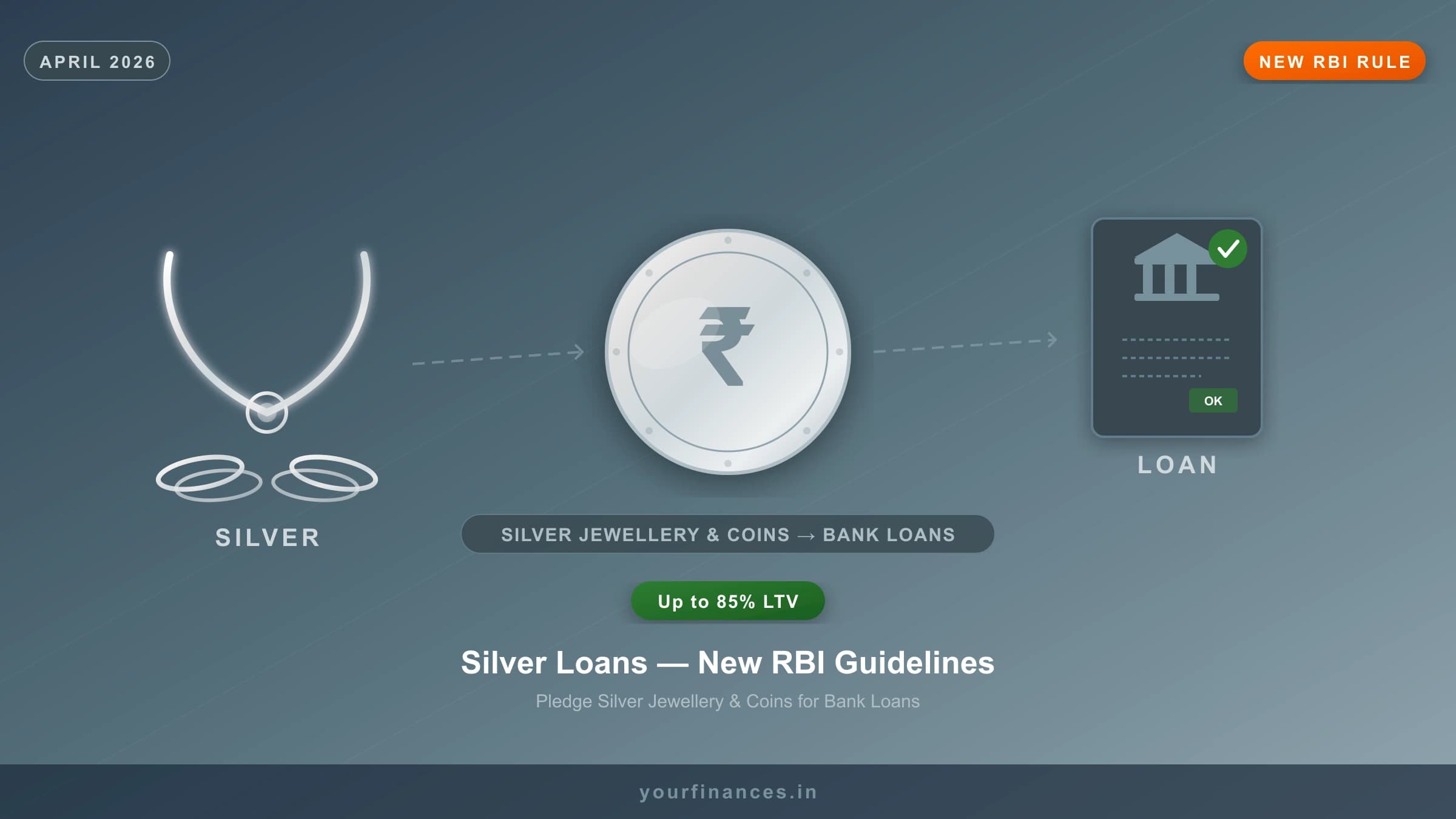
Silver Loans Are Now Legal in India — Here’s How to Get One
From April 1, the RBI allows banks and NBFCs to give loans against your silver jewelry and coins. Up to 85% LTV, 10kg silver limit, and strict borrower protections. Here’s everything you need to know.