IndiGo CEO Pieter Elbers Resigns Abruptly After December Crisis
Jaspal Singh
Author
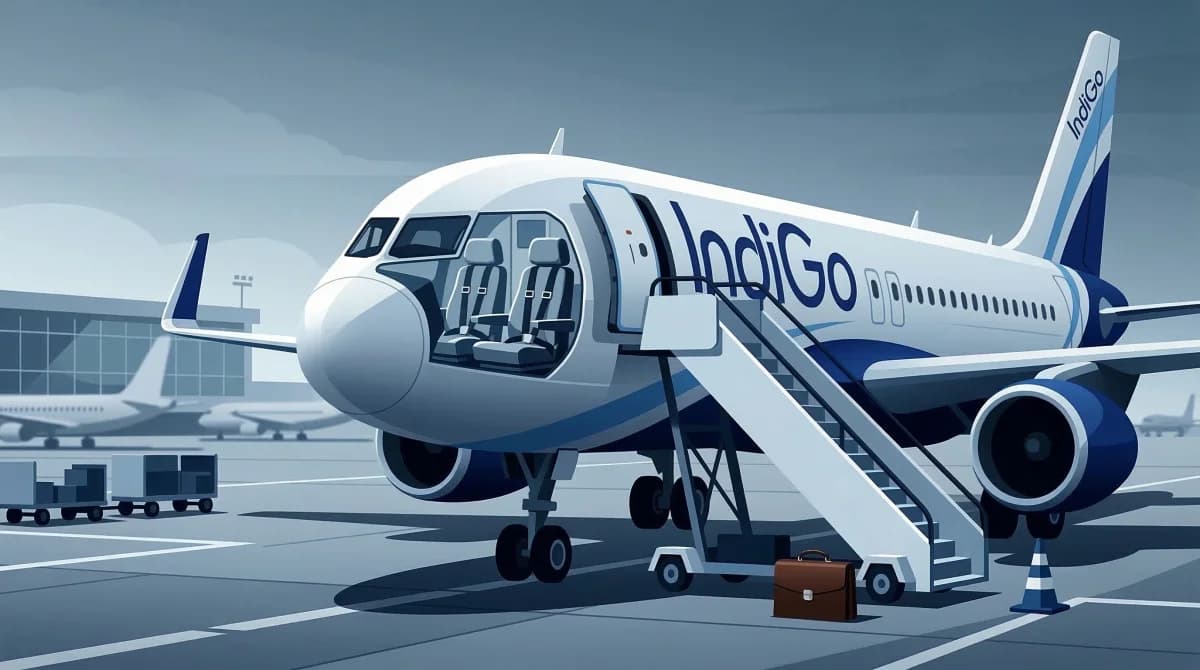
IndiGo CEO Pieter Elbers has suddenly resigned, just months after India's largest airline faced its worst operational crisis ever. Founder Rahul Bhatia is taking over management directly, no successor has been named, and Elbers' notice period has been waived — an unusual move that has raised eyebrows across the aviation industry.
If you own IndiGo shares (InterGlobe Aviation) or are invested in mutual funds with aviation exposure, here is what happened and what it means for you.
What Happened?
The timeline is damning:
- December 2025: IndiGo's operations collapsed. Over 4,500 flights were cancelled in a single month — triggered by stricter Flight Duty Time Limitations (FDTL) rules for pilots that IndiGo failed to adjust crew rosters for in time. Lakhs of passengers were stranded across airports. It was the worst operational crisis in IndiGo's 18-year history.
- January 2026: IndiGo reported Q3 FY26 net profit crashing 78% to approximately ₹550 crore. Revenue from operations declined 6% to ₹23,472 crore. The December crisis alone caused an estimated ₹2,000 crore loss from compensation payouts, fuel costs, and operational inefficiencies.
- March 3, 2026: Elbers was still scheduled as a speaker at the Skift India Intelligence Summit — suggesting the resignation was not planned publicly.
- March 10, 2026: IndiGo announces Elbers has stepped down. Notice period waived. No farewell note from the company. No successor named.
Founder Rahul Bhatia's statement to employees was blunt: "What happened last December should never have taken place." The lack of a separate thank-you note for Elbers — standard practice in senior executive departures in corporate India — suggests the departure was not entirely voluntary. Notably, both of India's biggest airlines — IndiGo and Tata Group's Air India — are now simultaneously scouting for new CEOs.
Why This Matters for Investors
IndiGo Is India's Largest Airline
IndiGo controls approximately 62% of the domestic aviation market. It carries more passengers than all other Indian airlines combined. Any leadership instability at IndiGo affects the entire aviation sector.
| Metric | IndiGo (March 2026) |
|---|---|
| Market share (domestic) | ~62% |
| Fleet size | 380+ aircraft |
| Daily flights | ~2,000 |
| Market cap | ~₹1.8 lakh crore |
| Stock price (March 10) | See live market data |
The Stock's Roller Coaster
IndiGo shares (InterGlobe Aviation, NSE: INDIGO) have been volatile:
- The stock was among the top Sensex gainers on March 10 — rallying sharply as oil prices crashed from $120 to $88 (jet fuel is 35-40% of airline costs)
- But the CEO resignation news, announced after market hours, could pressure the stock in the next trading session
- The stock is already down significantly from its 52-week highs due to the oil crisis and December operational debacle
What Are the Risks?
1. Leadership Vacuum
No successor has been named. Rahul Bhatia (the promoter) is managing operations directly, but he is not an aviation operations expert — he is a businessman. IndiGo needs a professional CEO who understands airline operations, crew management, and fleet scheduling. Until one is appointed, expect uncertainty.
2. Operational Recovery Is Incomplete
The December crisis exposed deep operational weaknesses — IT systems, crew rostering, and maintenance scheduling. Fixing these requires sustained management focus. A CEO change mid-recovery is disruptive.
3. Oil Price Vulnerability
IndiGo consumes approximately ₹15,000 crore of jet fuel annually. Every $10 increase in oil price adds ₹2,000-2,500 crore to annual costs. With oil still volatile ($88-120 range), profitability is under threat regardless of who runs the company.
What Should Investors Do?
If You Own IndiGo Shares
Do not panic sell. IndiGo's fundamental business — 62% market share, massive fleet order book, growing international routes — is intact. The CEO change is disruptive but not existential. Watch for who the new CEO is and whether operations stabilise over the next 2-3 months.
If You Are Thinking of Buying
Wait for clarity on two fronts: (1) oil price direction — if oil settles below $90, IndiGo becomes very attractive; (2) the new CEO appointment — a strong leader will restore market confidence. Until both are clear, the risk-reward is uncertain.
If You Own Aviation Mutual Funds
Most diversified equity mutual funds have limited exposure to aviation (1-3% typically). IndiGo's CEO change alone should not materially affect your mutual fund returns. Continue your SIPs as planned.
The Bigger Picture for Aviation
Indian aviation is at an inflection point. Air passenger traffic has been growing at 10-12% annually, and India is projected to become the world's third-largest aviation market by 2027. IndiGo, with its dominant market position and massive fleet orders (500+ aircraft on order), is positioned to capture this growth.
But the airline needs to fix its operational backbone, manage oil price volatility, and now navigate a leadership transition — all simultaneously. The next CEO appointment will be one of the most consequential decisions in Indian aviation history.
The Bottom Line
IndiGo CEO Pieter Elbers has resigned abruptly following the worst operational crisis in the airline's history. Founder Rahul Bhatia is managing directly with no successor named. For investors, the fundamentals remain strong but short-term uncertainty is high. Watch for the new CEO appointment and oil price trends before making investment decisions.
Disclaimer: This article is for informational purposes only and does not constitute investment advice. Stock investments are subject to market risks. Please consult a SEBI-registered financial advisor before making investment decisions. Data is based on publicly available information as of March 10, 2026.
Written by
Jaspal Singh
Founder & Editor
Personal finance writer helping Indians make smarter money decisions through clear, jargon-free guides on taxes, investments, and budgeting.
Continue Reading

Gold, Silver Import Duty Raised to 15%: What It Means for Prices, Rupee, and India's Trade Balance
India has raised import duty on gold and silver to 15% from 6%. Here is what the move means for bullion demand, trade deficit, forex reserves, and everyday buyers.
Your Take-Home Salary Just Got Cut — Here’s Why
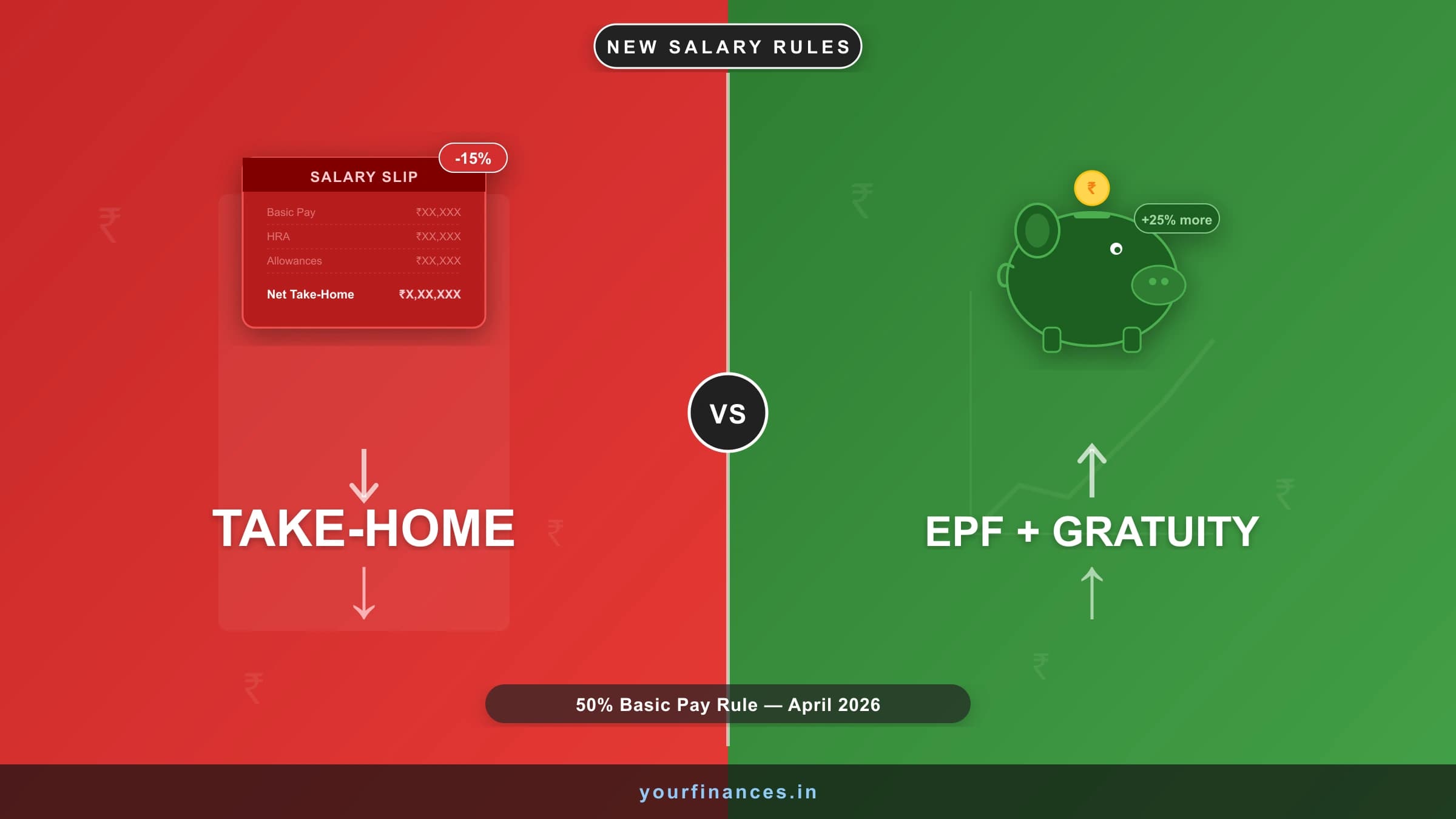
From April 2026, your basic pay must be at least 50% of your CTC. That means lower take-home pay but significantly higher EPF and gratuity. Here’s what changed and what it means for your wallet.
Silver Loans Are Now Legal in India — Here’s How to Get One
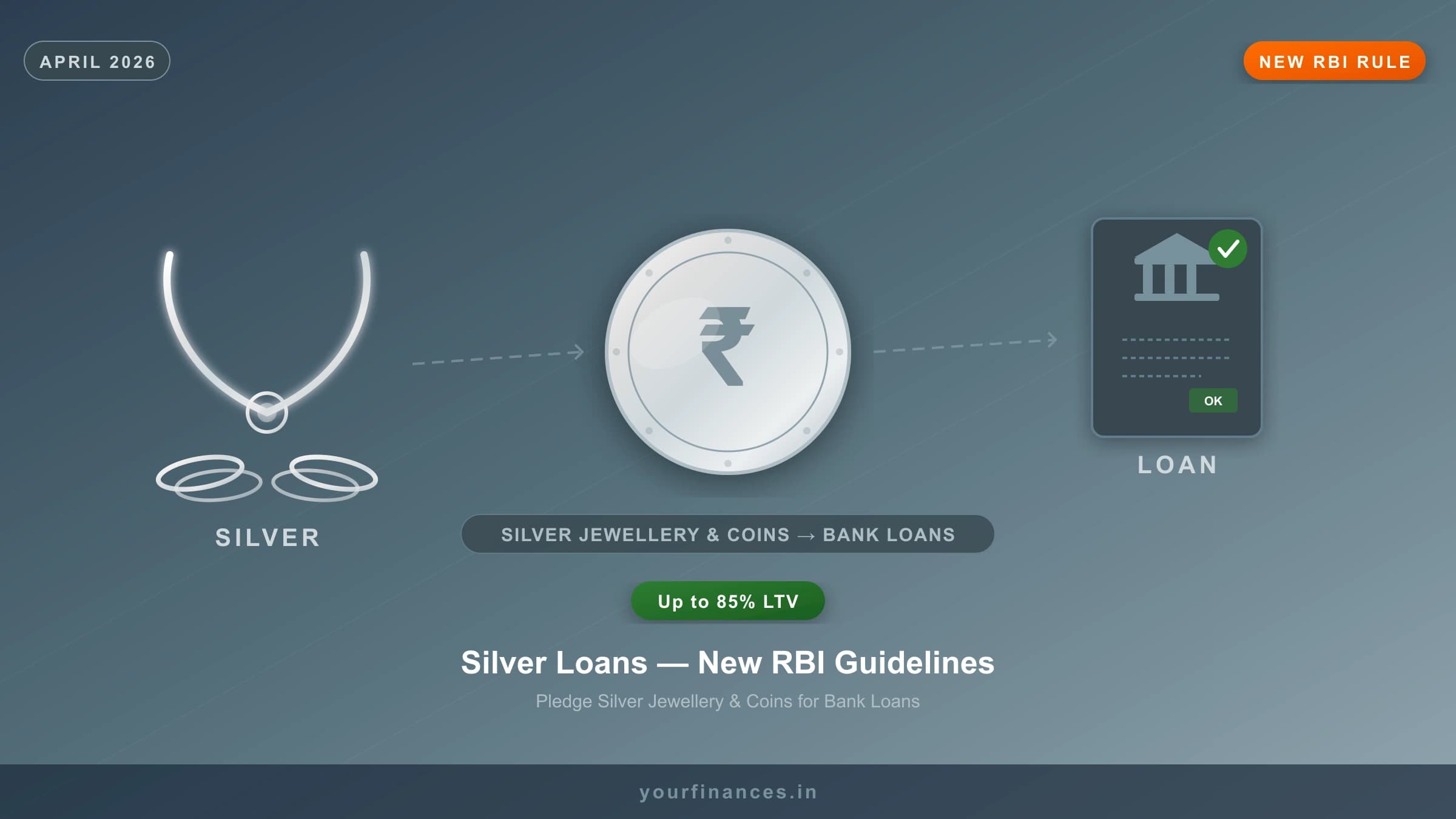
From April 1, the RBI allows banks and NBFCs to give loans against your silver jewelry and coins. Up to 85% LTV, 10kg silver limit, and strict borrower protections. Here’s everything you need to know.