How India Is Shock-Proofing Itself Against Oil Price Crises
Jaspal Singh
Author
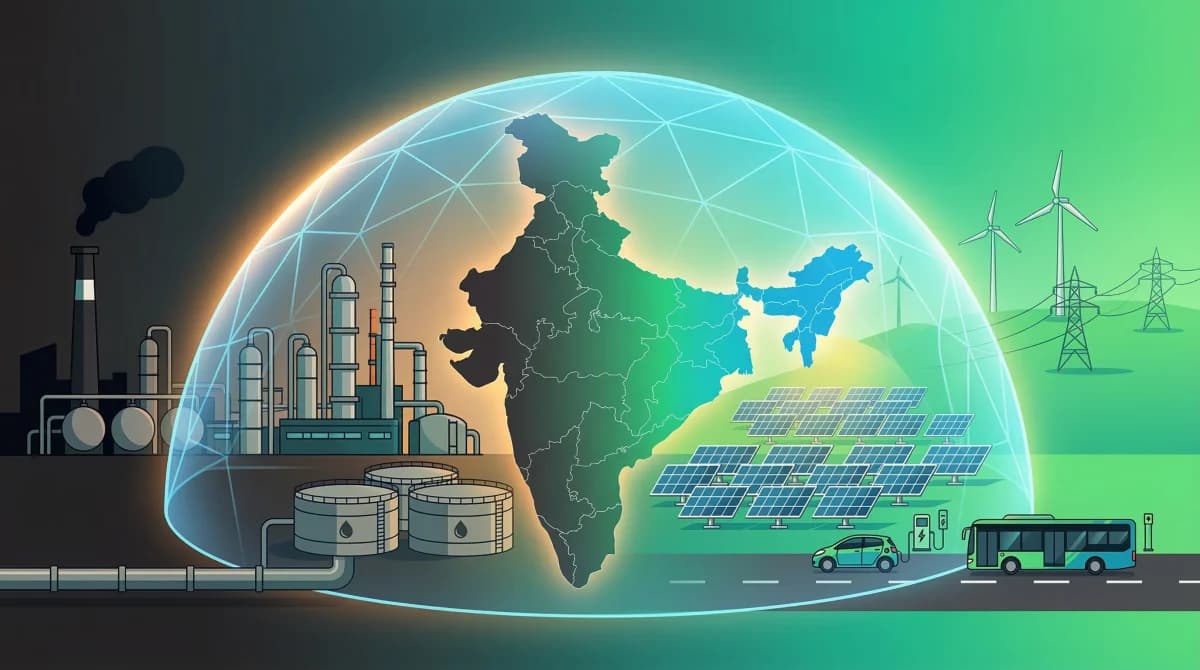
The Iran crisis has exposed a vulnerability India has known about for decades but never fully addressed: we import 85% of our crude oil, and any disruption in the Middle East sends our economy into shock. Oil hit $120, the rupee crashed, petrol prices are under threat, and LPG is running short in several states.
But India is not sitting idle. The government is taking multiple steps to "shock-proof" the country against future energy disruptions. Here is what India is doing, what it means for your wallet, and how long it will take to work.
India's Energy Vulnerability — The Numbers
| Metric | Value | Why It Matters |
|---|---|---|
| Oil import dependency | 85% | Any global oil shock hits India directly |
| LNG import dependency | 50% | Cooking gas, CNG, and industrial fuel at risk |
| Oil import bill (2025-26) | ~₹16 lakh crore | Largest single import item |
| Strategic oil reserve | ~9.5 days of consumption | US has 35+ days; China has 80+ days |
| Middle East oil share | ~60% of imports | Iran, Iraq, Saudi Arabia, UAE supply the bulk |
Compare this to the US, which produces enough oil to be nearly self-sufficient, or China, which has built 80+ days of strategic reserves. India's 9.5-day reserve is dangerously thin.
What India Is Doing to Shock-Proof Itself
1. Expanding Strategic Petroleum Reserves
India currently has three Strategic Petroleum Reserve (SPR) facilities — in Visakhapatnam (Andhra Pradesh), Mangalore (Karnataka), and Padur (Karnataka) — with a combined capacity of about 5.33 million tonnes, enough for roughly 9.5 days.
The government has approved a second phase of SPR expansion that will double capacity to approximately 12 million tonnes — about 22 days of consumption. Two new facilities are planned in Chandikhol (Odisha) and Padur Phase 2. However, these will take 3-5 years to build.
2. Diversifying Oil Sources
India is aggressively diversifying away from Middle Eastern oil. Recent moves include:
- Increased Russian oil imports — Russia now supplies about 35% of India's crude (up from 2% before 2022), often at discounted prices
- Long-term deals with Guyana, Brazil, and the US — newer oil producers outside the Middle East conflict zone
- African crude — increased purchases from Nigeria, Angola, and Mozambique
Diversification does not eliminate the oil price risk (if global prices rise, all oil gets expensive), but it reduces supply disruption risk — the risk that physical oil shipments are blocked, as happened with the Strait of Hormuz.
3. Pushing Electric Vehicles and Renewable Energy
The long-term solution to oil dependency is reducing oil consumption itself. India's EV push includes:
- FAME III subsidies for electric two-wheelers and cars
- 7.8 million EVs registered in India as of March 2026 (up from 3.5 million in 2024)
- Solar capacity now at 110 GW — generating electricity without burning fossil fuels
- Green hydrogen pilot projects aimed at replacing LNG in industrial use
But EVs still make up less than 5% of total vehicles on Indian roads. The transition will take at least a decade to meaningfully reduce oil imports.
4. Gas Supply Restructuring
The government has invoked the Essential Commodities Act amid the LPG shortage and is restructuring gas allocation priorities:
- Priority 1: Domestic LPG (cooking gas for households)
- Priority 2: CNG for public transport
- Priority 3: Piped natural gas for homes
- Priority 4: Industrial use
This means commercial LPG users (restaurants, hotels) may face restrictions before household supplies are affected. The LPG refill booking period has been extended from 21 to 25 days to manage demand.
5. Faster Domestic Oil Exploration
India has accelerated licensing rounds for domestic oil and gas exploration. The Open Acreage Licensing Policy (OALP) has opened up previously restricted areas including deep-sea blocks in the Krishna-Godavari basin and Rajasthan's Barmer region.
Domestic oil production, however, has been declining for years — from 36 million tonnes in 2015 to about 29 million tonnes in 2025. Reversing this trend will require significant investment and new discoveries.
How Does This Affect You?
Petrol and Diesel Prices
India has not raised retail fuel prices since the Iran conflict began — the government is absorbing the cost through reduced excise duties and lower oil company margins. But this cannot continue indefinitely. If oil stays above $90 for more than 2-3 months, a price revision becomes likely.
Read our detailed analysis on whether petrol and diesel prices will rise.
LPG Cylinder Prices
Domestic LPG cylinders (14.2 kg) currently cost ₹803 in Delhi. The government subsidises this heavily — the actual cost based on current LNG import prices would be ₹1,100-1,200. Expect a ₹50-100 increase in the next quarter if the crisis persists.
Electricity Bills
About 5% of India's electricity comes from natural gas. If LNG prices stay elevated, gas-based power plants pass on higher costs to consumers. However, with solar and coal dominating India's power mix, the impact on your electricity bill should be modest — ₹100-200/month for an average household.
Food Prices
Higher fuel costs increase transportation costs for food, which gets passed on to consumers. Read our analysis on how the fertiliser crisis could make groceries costlier.
What Can You Do?
- Build an emergency fund covering 6 months of expenses — energy price shocks can hit household budgets unexpectedly. Park this in a fixed deposit for safety.
- Review your monthly budget — factor in potential fuel and LPG price increases of 10-15% over the next quarter.
- Consider an EV for your next vehicle — running costs are 80% lower than petrol/diesel vehicles, insulating you from future oil shocks.
- Continue investing via SIPs — energy crises are temporary, but the compounding from regular investing is permanent. Use our SIP Calculator to plan your investments.
The Bottom Line
India is taking concrete steps to reduce its oil vulnerability — expanding strategic reserves, diversifying suppliers, pushing EVs, and restructuring gas allocation. But these are medium-to-long-term solutions. In the short term, India remains exposed to Middle Eastern oil disruptions, and the current crisis may lead to higher fuel, LPG, and food prices in the coming months.
The best personal defence against energy price shocks? A strong emergency fund, a diversified investment portfolio, and a household budget that accounts for rising costs.
Disclaimer: This article is for informational purposes only and does not constitute financial advice. Energy policies and prices are subject to change. Information is based on publicly available government announcements and industry data as of March 2026.
Written by
Jaspal Singh
Founder & Editor
Personal finance writer helping Indians make smarter money decisions through clear, jargon-free guides on taxes, investments, and budgeting.
Continue Reading

Gold, Silver Import Duty Raised to 15%: What It Means for Prices, Rupee, and India's Trade Balance
India has raised import duty on gold and silver to 15% from 6%. Here is what the move means for bullion demand, trade deficit, forex reserves, and everyday buyers.

Your Take-Home Salary Just Got Cut — Here’s Why
From April 2026, your basic pay must be at least 50% of your CTC. That means lower take-home pay but significantly higher EPF and gratuity. Here’s what changed and what it means for your wallet.
Silver Loans Are Now Legal in India — Here’s How to Get One
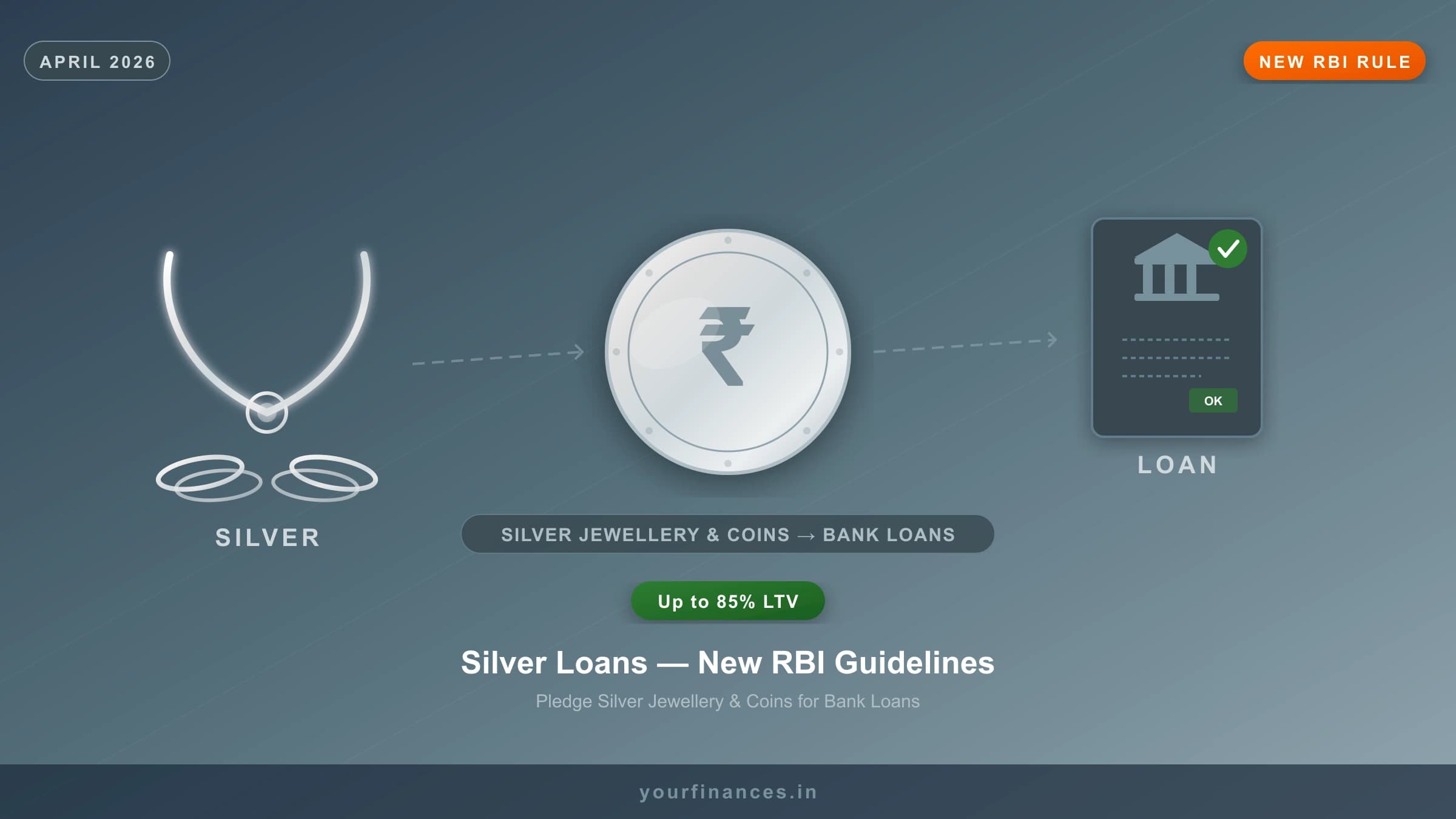
From April 1, the RBI allows banks and NBFCs to give loans against your silver jewelry and coins. Up to 85% LTV, 10kg silver limit, and strict borrower protections. Here’s everything you need to know.