₹20,000 Crore GainBitcoin Scam: CBI Arrests Tech Co-Founder
Jaspal Singh
Author

India's Biggest Crypto Scam Just Got Its First Major Arrest
The Central Bureau of Investigation (CBI) arrested Ayush Varshney, co-founder of Darwin Labs, at Mumbai's international airport on March 11, 2026. He was trying to board a flight to Sri Lanka when authorities intercepted him.
His crime? Helping build the technology behind GainBitcoin — a cryptocurrency scam that defrauded over 8,000 investors of approximately ₹20,000 crore (roughly $2.17 billion). This makes it one of the largest financial frauds in Indian history.
How the GainBitcoin Scam Worked
GainBitcoin launched in 2015 with a tempting promise: invest in Bitcoin and earn 10% monthly returns for 18 months. Think about that — 10% every month. That's 120% per year, guaranteed.
If that sounds too good to be true, that's because it was.
The Classic Ponzi Structure
Here's how the scam operated:
- Attractive returns: New investors were promised 10% monthly returns in Bitcoin
- MLM model: Investors earned extra rewards for recruiting new members — a classic multi-level marketing pyramid
- Early payouts: Initial investors received their returns (funded by new investors' money), which built trust and attracted more victims
- Tech credibility: Darwin Labs built professional-looking platforms — a mining pool (GBMiners.com), a Bitcoin wallet (Coin Bank Bitcoin), and a payment gateway — making the whole operation look legitimate
Darwin Labs' Role
Darwin Labs wasn't just a side player — the company allegedly built the entire technological infrastructure of the scam. According to the CBI investigation, Darwin Labs and its co-founders (Varshney, Sahil Baghla, and Nikunj Jain) were involved in creating:
- The GainBitcoin investor-facing website
- GBMiners.com — a Bitcoin mining pool platform
- A Bitcoin payment gateway
- The "Coin Bank Bitcoin" wallet app
- An ERC-20 cryptocurrency token called MCAP
RBI Steps In: New ₹25,000 Fraud Compensation
In a related development, the RBI has proposed a new compensation framework for victims of small-value digital banking frauds. Here are the key details:
- Compensation amount: Up to 85% of the loss, capped at ₹25,000
- Eligibility: Individual customers who lose up to ₹50,000 in fraudulent electronic transactions
- Reporting window: You must report the fraud to your bank and the National Cybercrime Portal within 5 days
- One-time benefit: This compensation is available only once per customer
- Cost sharing: RBI bears 65%, your bank pays 10%, and the beneficiary bank pays 10%
The draft guidelines are open for public comments until April 6, 2026.
Supreme Court Pushes AI-Based Fraud Detection
The Supreme Court has also directed banks to develop AI-based mechanisms to flag suspicious transactions, issue real-time alerts, and suspend transfers until the account holder authenticates them. This is a major step toward preventing digital fraud at the banking level.
How to Protect Yourself from Crypto Scams
The GainBitcoin case is a textbook example of what to watch out for. Here are the red flags that should make you run:
1. Guaranteed Returns
No legitimate investment can guarantee fixed returns — especially not 10% per month. Even the best mutual funds don't promise guaranteed returns. If someone promises fixed crypto returns, it's almost certainly a scam.
2. Recruitment-Based Rewards
If you earn more by bringing in new investors than from actual investment returns, you're looking at a pyramid scheme. Legitimate investments don't need MLM structures.
3. Pressure to Invest Quickly
Scammers create urgency — "limited slots," "price going up tomorrow," "exclusive opportunity." Take your time. Real investment opportunities don't disappear overnight.
4. Unregulated Platforms
Always check if the platform is registered with SEBI or RBI. Cryptocurrency exchanges in India must comply with regulations. If there's no regulatory oversight, stay away.
5. No Clear Business Model
Ask yourself: where is the money coming from? If the returns can't be explained by a legitimate business activity (like actual Bitcoin mining with verifiable hash rates), the money is probably coming from new investors — which is the definition of a Ponzi scheme.
What to Do If You've Been Scammed
If you suspect you've been a victim of financial fraud:
- Report immediately: File a complaint on the National Cybercrime Reporting Portal or call the helpline at 1930
- Inform your bank: Report within 5 days to be eligible for the RBI's proposed compensation
- File a police complaint: Visit your nearest police station with all evidence
- Document everything: Save screenshots, transaction IDs, communications, and any promotional materials
The Bigger Picture
The alarming reality is that online financial fraud in India has siphoned nearly ₹52,000 crore between April 2021 and November 2025, according to the Home Ministry. "Digital arrest" scams, fake investment schemes, and AI deepfake frauds are on the rise.
A 2025 study found that 47% of Indian adults have either been victims of, or know someone who's been a victim of, an AI voice-cloning or deepfake scam. Among victims, 83% suffered monetary losses, with nearly half losing over ₹50,000.
The message is clear: if an investment opportunity sounds too good to be true, it probably is. Stick to regulated investments — mutual fund SIPs, fixed deposits, PPF, and government-backed schemes. They may not promise 10% monthly returns, but they won't steal your life savings either.
Disclaimer: This article is for educational purposes only and does not constitute financial advice. Please consult a qualified financial advisor before making investment decisions.
Written by
Jaspal Singh
Founder & Editor
Personal finance writer helping Indians make smarter money decisions through clear, jargon-free guides on taxes, investments, and budgeting.
Continue Reading

Gold, Silver Import Duty Raised to 15%: What It Means for Prices, Rupee, and India's Trade Balance
India has raised import duty on gold and silver to 15% from 6%. Here is what the move means for bullion demand, trade deficit, forex reserves, and everyday buyers.
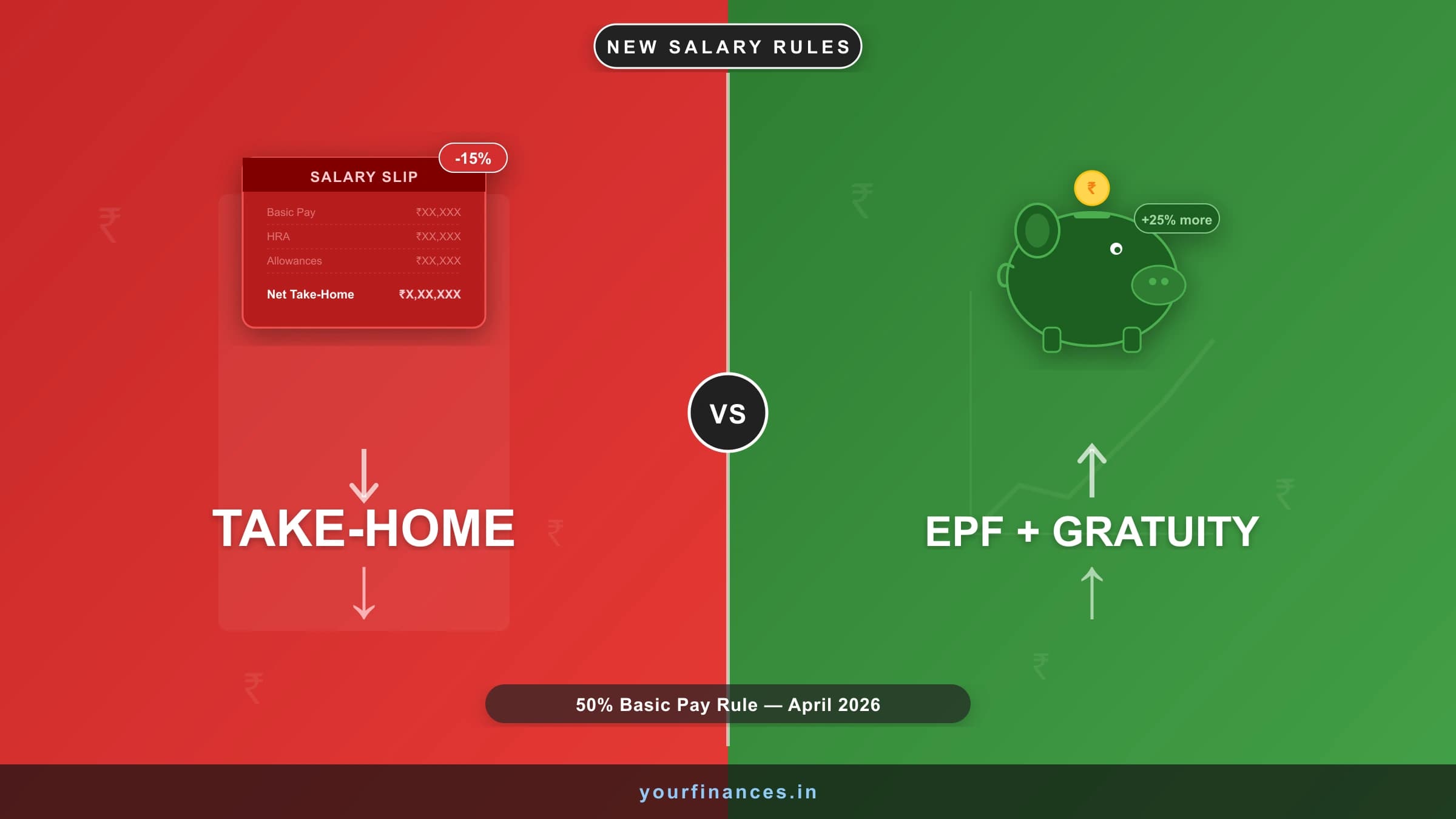
Your Take-Home Salary Just Got Cut — Here’s Why
From April 2026, your basic pay must be at least 50% of your CTC. That means lower take-home pay but significantly higher EPF and gratuity. Here’s what changed and what it means for your wallet.
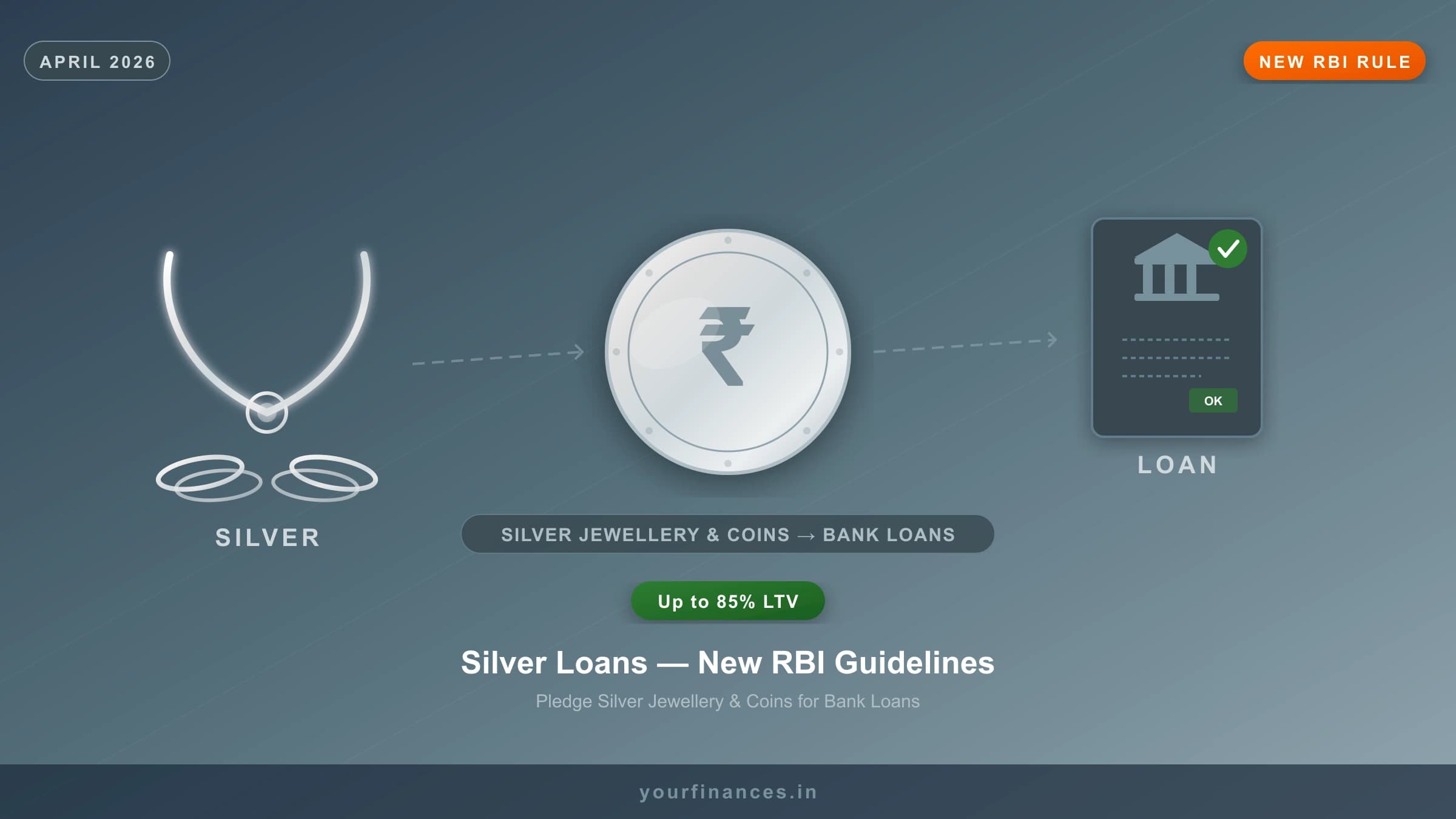
Silver Loans Are Now Legal in India — Here’s How to Get One
From April 1, the RBI allows banks and NBFCs to give loans against your silver jewelry and coins. Up to 85% LTV, 10kg silver limit, and strict borrower protections. Here’s everything you need to know.