Online Fraud in India: How to Protect Your Money
Jaspal Singh
Author
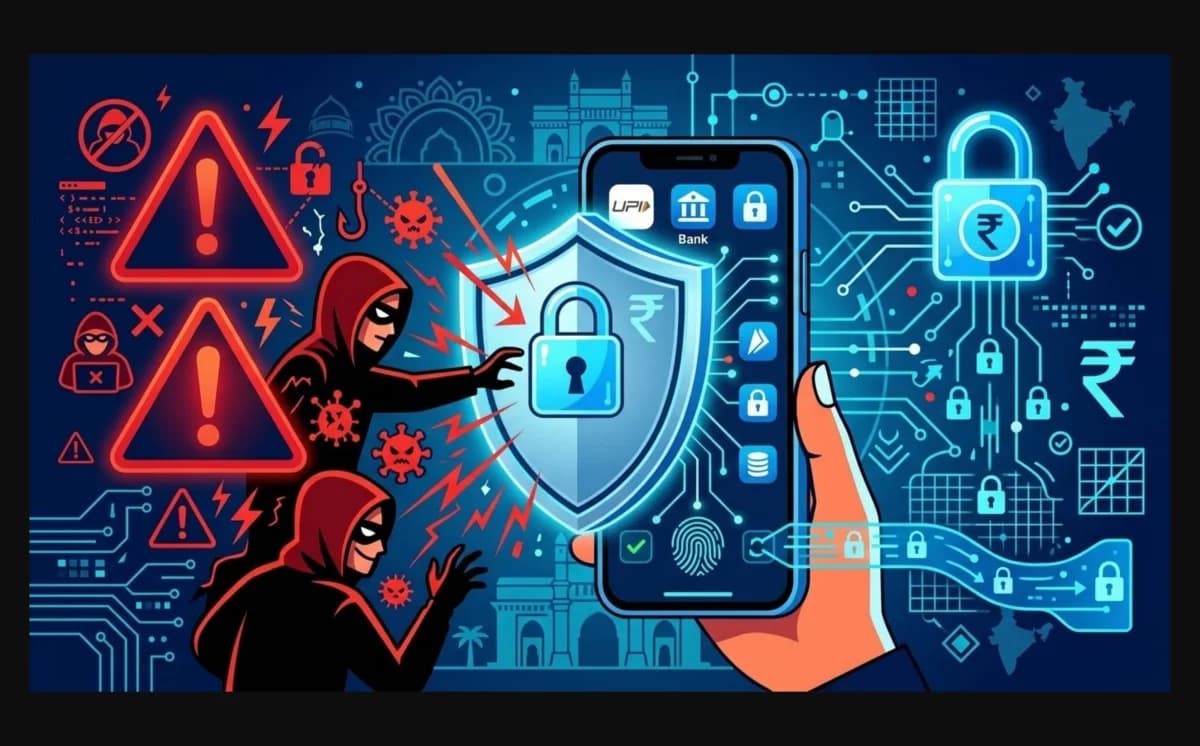
India's Growing Online Fraud Crisis
Here is a number that should alarm every Indian: the country has lost over ₹54,000 crore to cyber fraud in recent years, and the problem is getting worse, not better. In 2025 alone, the National Cybercrime Reporting Portal received over 12 lakh complaints — that is one complaint every 26 seconds.
The truth is, as India has embraced digital payments — from UPI to mobile banking to online shopping — criminals have moved online too. They are using increasingly sophisticated techniques, including artificial intelligence, to impersonate banks, government agencies, and even your own family members.
This guide covers every major type of online fraud happening in India right now and, more importantly, what you can do to protect yourself.
The "Digital Arrest" Scam: India's Biggest Fraud Trend
If there is one scam that has exploded across India, it is the digital arrest scam. Thousands of people — including educated professionals, retired government officers, and IT employees — have fallen for it.
How It Works
- You receive a call or WhatsApp video call from someone claiming to be from the CBI, ED, Customs, or local police
- They tell you that your Aadhaar has been linked to money laundering, drug trafficking, or a national security case
- They may show you an AI-generated video background that looks like a real police station or courtroom
- They demand you stay on the video call (the "digital arrest") and not speak to anyone
- They demand immediate payment of a "fine" or "security deposit" via UPI, NEFT, or cryptocurrency
- Once you pay, they disappear — or demand more money
Why People Fall for It
The scammers use fear and urgency. They may know your name, Aadhaar number, or PAN number (purchased from data breaches). The video backgrounds look convincingly real. And the threat of being arrested or having your bank accounts frozen terrifies people into compliance.
The truth: No legitimate law enforcement agency in India will ever demand payment over a phone or video call. No government officer will ask you to transfer money via UPI. If you receive such a call, hang up immediately.
UPI Scams: The Most Common Digital Fraud
With over 10 billion UPI transactions per month, scammers have found dozens of ways to exploit the system.
1. Fake QR Code Scam
Scammers paste their own QR codes over legitimate ones at shops, petrol pumps, or parking lots. When you scan and pay, the money goes to the scammer's account.
Protection: Always verify the name displayed on your UPI app matches the actual merchant before confirming payment.
2. Collect Request Fraud
A scammer sends you a UPI "collect" request disguised as a refund or payment. When you enter your PIN to "accept the refund," money is actually debited from your account.
Protection: You never need to enter your PIN to receive money. If someone asks you to enter your PIN for a refund, it is a scam.
3. Screen Sharing Hijack
Scammers posing as bank customer service ask you to install screen-sharing apps like AnyDesk or TeamViewer. Once installed, they can see your screen in real time and steal your UPI PIN, bank credentials, and OTPs.
Protection: Never install screen-sharing apps at anyone else's request. Banks will never ask you to share your screen.
4. Prepaid Task Scam
You are offered a "work from home job" that involves liking YouTube videos, rating products, or completing simple tasks. Initially, you earn small amounts. Then you are asked to "invest" money to access higher-paying tasks — and the money disappears.
Protection: No legitimate job requires you to pay money upfront. If it sounds too easy to be true, it is.
Phishing: Fake Emails and SMS
Phishing remains one of the most effective tools in a scammer's toolkit. You may receive:
- An SMS saying your bank account will be "blocked" unless you click a link and verify your details
- An email from what looks like your bank, asking you to "update your KYC" through a fake website
- A message claiming you have won a lottery or cashback, with a link to "claim" your prize
These fake websites look almost identical to your bank's real website. Once you enter your credentials, the scammers have full access to your account.
How to Spot Phishing
- Check the sender: Banks send SMS from their registered short codes (like SBIBNK), not from random mobile numbers
- Check the URL: Real bank URLs use official domains (sbi.co.in, hdfcbank.com). Fake ones use misspellings or strange domains
- Banks never ask for passwords via email or SMS
- Urgency is a red flag: "Act within 24 hours or your account will be frozen" is almost always a scam
OTP Fraud and SIM Swap Attacks
OTP Fraud
A scammer calls you pretending to be from your bank and asks for the OTP that was just sent to your phone. With that OTP, they can authorize transactions from your account.
Golden rule: Never share an OTP with anyone, no matter who they claim to be. Your bank will never ask for your OTP.
SIM Swap Attack
This is more sophisticated. Scammers use forged documents to get your mobile operator to issue a duplicate SIM card. Once they have the SIM, all your OTPs come to their phone, giving them full access to your bank accounts.
Warning Signs of SIM Swap
- Your phone suddenly loses network signal for an extended period
- You stop receiving calls and messages
- You receive a notification about a SIM change you did not request
Action: If your SIM suddenly stops working, contact your mobile operator immediately and check your bank accounts right away.
How to Protect Yourself: A Complete Checklist
| Protection Measure | Why It Matters |
|---|---|
| Never share OTP or UPI PIN | No legitimate entity will ever ask for these |
| Enable 2FA on all accounts | Adds a second layer even if passwords are stolen |
| Use strong, unique passwords | Password reuse means one breach compromises all accounts |
| Avoid public WiFi for banking | Public networks can be intercepted by hackers |
| Keep apps updated | Updates fix security vulnerabilities |
| Verify 1600-series calls | Banks use 1600-series numbers, but scammers can spoof them — verify by calling your bank directly |
| Set transaction limits | Limit UPI and net banking transfer amounts to reduce potential loss |
| Enable SMS/email alerts | Immediate notification of any transaction helps you act fast |
What to Do If You Are a Victim
Call 1930 Immediately
The National Cybercrime Helpline — 1930 — is your first call. This number connects to the Indian Cyber Crime Coordination Centre (I4C), which can freeze the scammer's bank account and potentially recover your money.
Time is critical: If you report within 24 hours, the chances of recovering your money are significantly higher. After 24 hours, the money is usually moved through multiple accounts and becomes very difficult to trace.
Step-by-Step Recovery Process
- Call 1930 and report the fraud with all transaction details
- File an online complaint at cybercrime.gov.in
- Inform your bank immediately and request a block on your account if needed
- File a police FIR at your local police station
- Keep all evidence: Screenshots of conversations, transaction IDs, phone numbers
The Bigger Picture: Why Financial Literacy Matters
The best protection against fraud is knowledge. Understanding how your money works — whether in a fixed deposit, a SIP, or a savings account — makes you far less likely to fall for schemes that promise unrealistic returns.
Use our SIP Calculator to see what realistic, market-linked returns look like. If someone is offering guaranteed returns that seem much higher, that is your first red flag.
Spread awareness. Share this guide with your parents, grandparents, and anyone who may be vulnerable to these scams. A few minutes of reading could save someone lakhs of rupees.
Disclaimer: This article is for educational purposes only and does not constitute financial or legal advice. If you are a victim of cyber fraud, contact the authorities immediately. The information provided here reflects common fraud trends as of March 2026 and may change over time.
Written by
Jaspal Singh
Founder & Editor
Personal finance writer helping Indians make smarter money decisions through clear, jargon-free guides on taxes, investments, and budgeting.
Continue Reading
5 Credit Card Rules Changing From April 1 — Your Spending Will Be Watched
Spend over ₹10 lakh on credit cards? The Income Tax Department will know. From April 1, 2026, new rules change how credit cards are monitored, authenticated, and reported. Here are 5 changes every cardholder must know.
Legal Aspects of Real Estate in India: What Every Buyer Must Know
Understand the key legal checks before buying property in India — RERA, title deeds, encumbrance certificates, stamp duty, registration, and common legal traps to avoid.
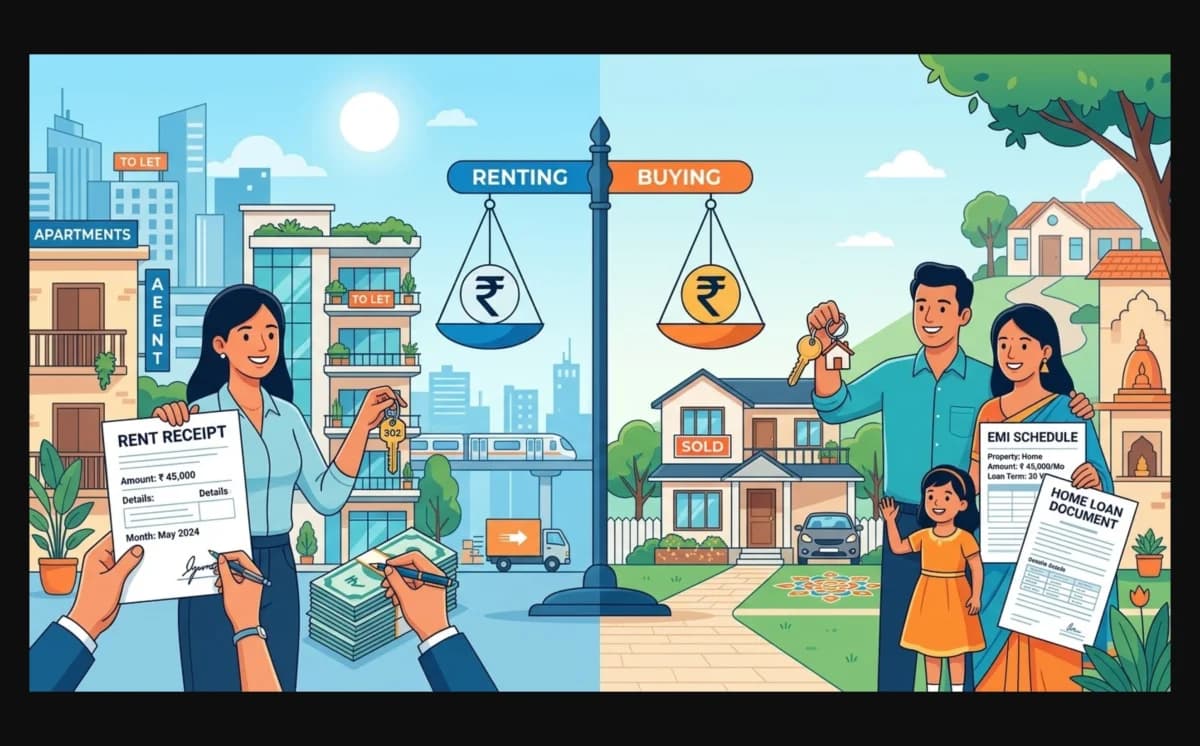
Renting vs Buying a House in India: The Honest Math
Should you rent or buy a house in India? We run the numbers on an ₹80 lakh property and compare EMIs, rent, opportunity cost, and tax benefits to find the real answer.