Jio IPO: Everything Retail Investors Need to Know About India's Biggest Listing
Jaspal Singh
Author
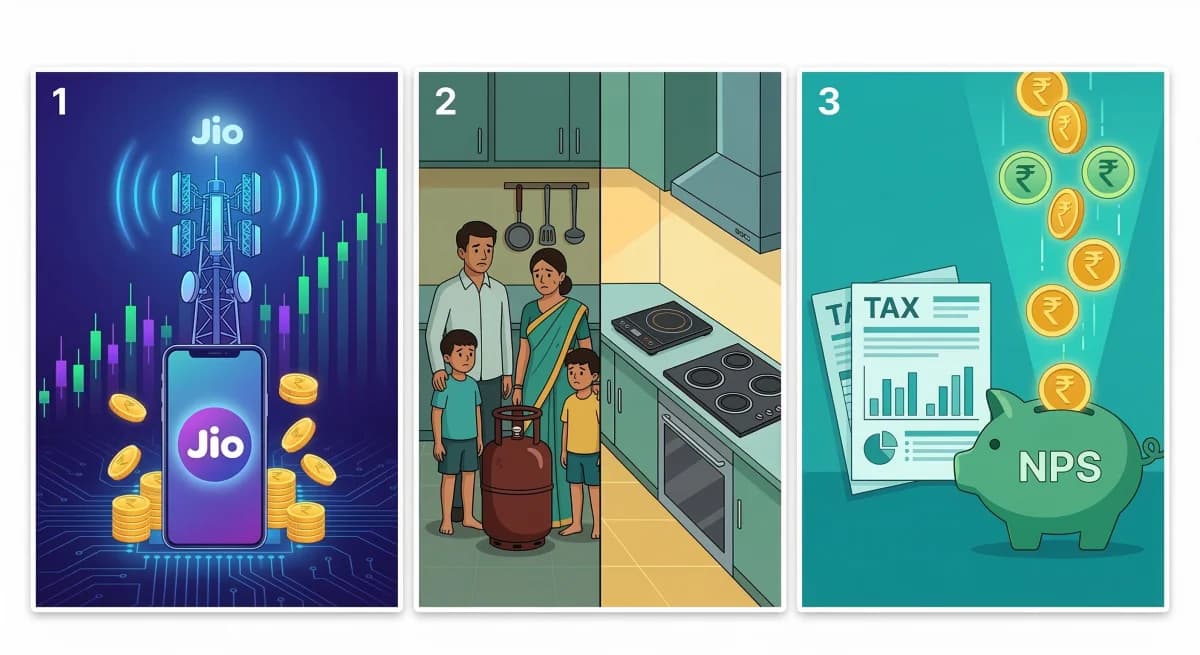
India's Biggest IPO Is Coming
Reliance Industries is preparing to take Jio Platforms public in what could become India's largest IPO in history. The telecom and digital services giant is working with six major investment banks — BofA Securities, Citigroup, Goldman Sachs, JM Financial, Kotak Mahindra Capital, and Morgan Stanley — on the offering.
With a valuation of up to $170 billion (roughly ₹14.5 lakh crore), the Jio IPO could raise over $4 billion (₹36,000 crore) — dwarfing every previous Indian IPO. For context, LIC's 2022 IPO raised ₹21,000 crore and was previously the largest.
When Will the Jio IPO Launch?
Mukesh Ambani announced at the Reliance AGM 2025 that Jio would list in the first half of 2026. The company has already begun the process of engaging bankers and is preparing the Draft Red Herring Prospectus (DRHP).
However, the ongoing Iran-Israel conflict and market volatility could push the timeline. Market conditions need to stabilise before Reliance pulls the trigger on an IPO of this scale.
Expected timeline: DRHP filing in Q1 2026, with the actual IPO likely in April-June 2026, market conditions permitting.
What Is Jio Platforms?
Jio Platforms is not just a telecom company — it is a digital services conglomerate that includes:
Jio Telecom: India's largest mobile operator with 480M+ subscribers
JioMart: E-commerce and grocery delivery platform
JioCinema: Streaming platform with IPL rights
JioFiber: Broadband and fiber-to-home services
Jio Financial Services: Already listed separately
Major global investors including Meta (Facebook), Google, Intel, and KKR have already invested over ₹1.5 lakh crore in Jio Platforms, validating its value.
Expected Price and Valuation
While the official price band has not been announced, here is what analysts estimate:
Parameter | Expected Range |
|---|---|
Total Valuation | $130 - $170 billion |
IPO Size | $4 - $4.3 billion (₹34,000 - ₹36,000 crore) |
Stake Offered | 2.5% (minimum under new rules) |
Expected Share Price | ₹1,048 - ₹1,457 per share (estimated) |
Retail Allocation | 15% of issue size |
Note: The government recently amended listing rules to allow large companies to offer as little as 2.5% of shares, down from 5%. This was widely seen as enabling the Jio IPO.
How to Apply for the Jio IPO
When the IPO opens, here is how retail investors can apply:
Have a Demat account ready — if you do not have one, open one now with any SEBI-registered broker (Zerodha, Groww, Angel One, etc.). This takes 1-2 days.
Ensure your UPI is linked — IPO applications use UPI for fund blocking (ASBA). Link your bank account to any UPI app.
When the IPO opens: Log into your broker → IPO section → Select "Reliance Jio" → Enter lot quantity → Bid at cut-off price → Approve UPI mandate.
Wait for allotment — given the massive demand expected, getting allotment will be extremely competitive. Apply from multiple Demat accounts (family members) to improve your chances.
Should You Invest in the Jio IPO?
Here is the balanced view:
Reasons to consider investing
Market dominance: Jio is India's largest telecom operator with a track record of disrupting industries
Digital ecosystem: Revenue from streaming, e-commerce, and fintech adds diversification beyond telecom
Global investor backing: Meta, Google, and KKR have already valued and invested at high multiples
India's digital growth: 800M+ internet users with rising data consumption
Reasons to be cautious
Valuation is steep: At $170 billion, Jio would be valued higher than most global telecom companies. Limited upside if priced to perfection.
Market timing risk: The Iran conflict has made markets volatile. An IPO during turbulence could underperform.
Allotment odds are low: With massive demand, most retail investors may not get any shares. Do not count on allotment.
2.5% free float is thin: Low float can mean high volatility post-listing.
The practical advice
Apply for the IPO if you have the funds — there is no downside to applying since your money is only blocked (not debited) until allotment. If you get shares, hold for the long term. If you do not get allotment, do not chase it in the secondary market at inflated prices. Instead, invest that money in a SIP in a diversified equity fund.
What to Do Before the IPO Opens
Open a Demat account if you do not have one — this takes 1-2 days
Keep ₹15,000-₹50,000 ready in your linked bank account (expected lot size investment)
Read the DRHP when it is filed — focus on revenue growth, profitability, and debt levels
Do not fall for grey market premium (GMP) hype — GMP is unregulated and unreliable
Related Reading
SIP Calculator — plan your investments if you miss the IPO allotment
Disclaimer: This article is for educational purposes only and does not constitute investment advice. IPO details mentioned are based on publicly available reports and analyst estimates as of March 2026. Final terms will be confirmed in the DRHP. Please consult a SEBI-registered investment advisor before making investment decisions.
Written by
Jaspal Singh
Founder & Editor
Personal finance writer helping Indians make smarter money decisions through clear, jargon-free guides on taxes, investments, and budgeting.
Continue Reading
Demat & Trading Account: A Beginner's Guide
To buy shares in India you need two accounts — a demat account that holds your shares and a trading account that places orders. This guide explains the difference, the charges (including the low-cost BSDA), the new SEBI nomination rules, and how to open them in minutes.

SIP vs Lumpsum: Which Is Better?
Got a lump sum to invest, or investing monthly? SIP vs lumpsum is not about which always wins — it is about your cash flow and your nerves. This guide compares both, explains what the data actually shows, and covers the STP middle path.

Large, Mid & Small-Cap Funds Explained
Large-cap, mid-cap or small-cap — which mutual fund is right for you? This guide explains how SEBI classifies funds by company size, the risk and return of each, and which type to pick as a beginner.